
Short Winter Hairstyles: The Complete Guide to Cuts, Styling, and Cold Weather Care

Short winter hairstyles offer a genuine practical advantage during the colder months: less hair means less time spent drying and styling before heading out into freezing temperatures. However, winter’s specific conditions dry indoor heat, cold outdoor air, static, and constant hat wearing mean short hair actually needs a slightly different styling and maintenance approach during this season than it does the rest of the year.
This guide goes beyond a simple gallery of short winter hairstyles. It explains how cold, dry air affects shorter cuts specifically, along with details most articles skip entirely like why static becomes a bigger problem on short hair than long hair, and why certain short styles hold up to daily hat wearing far better than others. Whether you’re considering a shorter cut for the first time this winter or maintaining one you already love, this is the deeper, more practical guide to short winter hairstyles.
Why Short Winter Hairstyles Need a Different Approach
Short winter hairstyles face conditions that longer hair simply doesn’t encounter to the same degree. Static becomes a significantly bigger issue on shorter hair specifically, since there’s less weight to keep strands grounded, meaning cold, dry winter air combined with hat friction can leave short styles looking noticeably flyaway and difficult to control compared to the rest of the year.
This dynamic matters because it directly affects which products and styling techniques actually work well for short winter hairstyles during the colder months. Lightweight products that worked perfectly well in summer’s humidity can suddenly feel insufficient against winter’s dry, static prone air, meaning many people need to adjust their routine seasonally rather than using identical products year-round.
A helpful example: someone who never experienced noticeable static with their short pixie during warmer months might suddenly find their hair clinging to their face or standing on end once winter’s dry heat kicks in. Switching to a slightly richer, anti static styling product specifically for the colder months typically resolves this seasonal issue that summer styling routines never had to address.
Because short winter hairstyles also interact constantly with hats and hoods, choosing a cut and styling approach that holds up well to this repeated pressure and friction, rather than one that collapses or frizzes easily, makes a meaningful difference in how good hair actually looks once a hat finally comes off.
Keep Reading: https://magzyhair.com/winter-hair-color-ideas/
Layered Pixie for Effortless Winter Styling
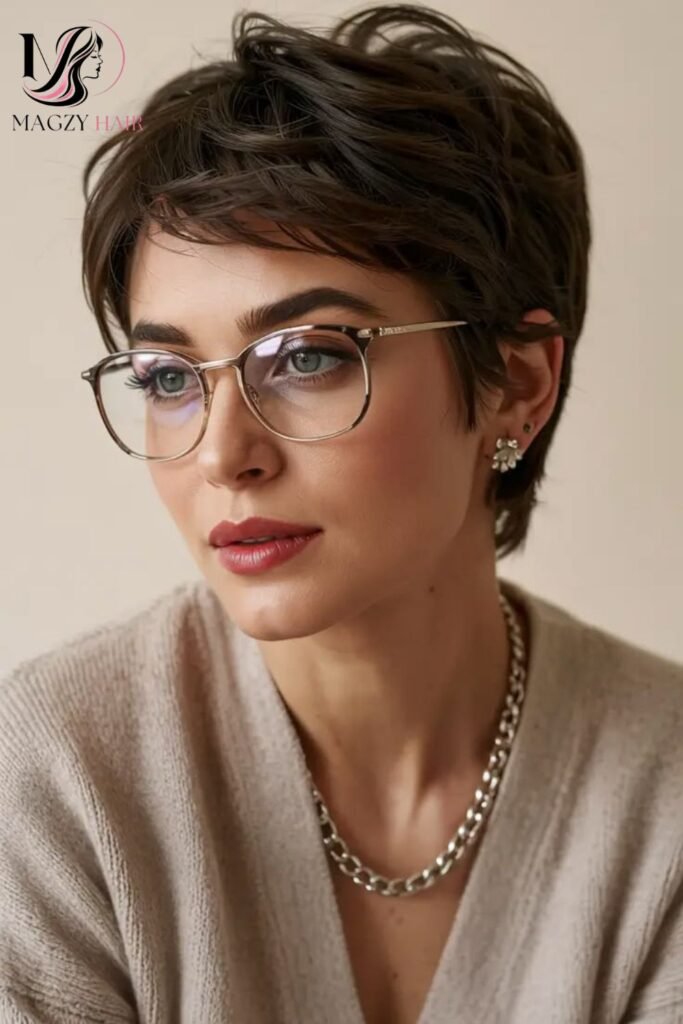
The layered pixie remains one of the most practical short winter hairstyles, offering built in texture and movement that requires minimal daily styling effort, a genuine advantage during busy, cold winter mornings. Layers concentrated at the crown help maintain volume even after hours spent under a winter hat, since the cut’s inherent structure holds shape better than a completely smooth, unlayered style would.
This particular short winter hairstyle also tends to dry considerably faster than longer alternatives, a meaningful benefit when stepping outside with damp hair in freezing temperatures poses a genuine discomfort and health consideration. Faster drying time means less exposure to cold air with wet hair, something longer winter hairstyles simply can’t offer to the same degree.
A helpful example: someone who typically rushes out the door on cold winter mornings might find a layered pixie solves multiple problems at once, drying quickly, holding its shape under a hat, and requiring minimal touch-up styling once the hat comes off. This practical efficiency is part of why the pixie remains such a popular choice among short winter hairstyles specifically.
Maintenance for this style requires trims every 4–6 weeks to preserve its precise shape, an upkeep schedule worth planning around busy holiday scheduling that can sometimes make regular salon visits harder to fit in during the winter months.
Textured Crop With Movement
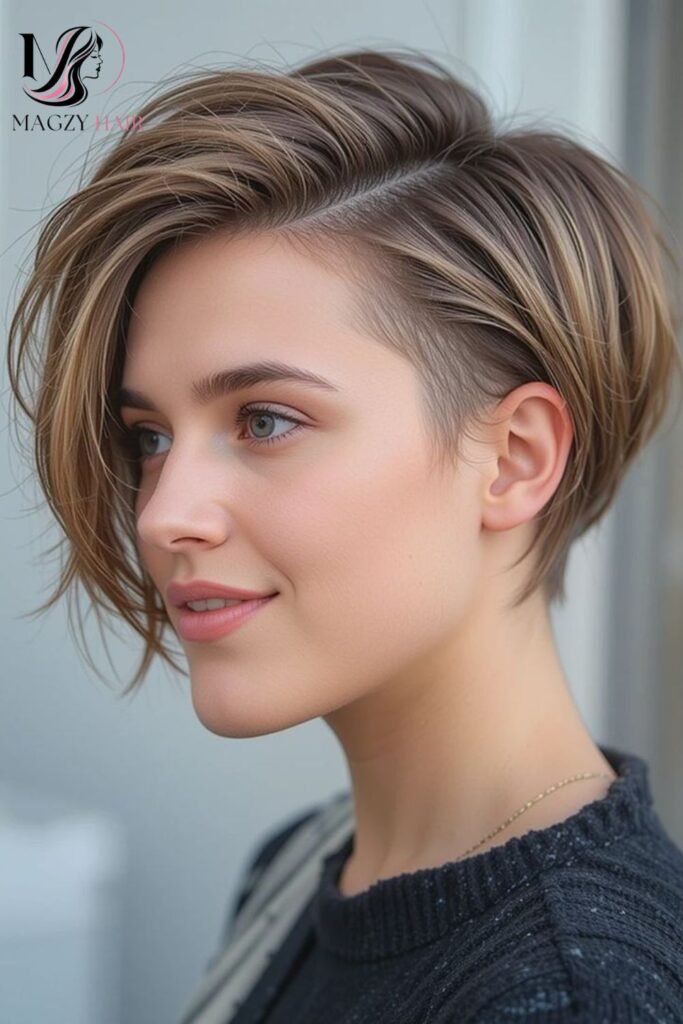
The textured crop brings deliberate, piece-y texture to short winter hairstyles, using point cutting or razor work to create separation and movement throughout the top and sides. This texturizing technique also happens to help combat winter specific flatness, since the built-in separation resists compressing completely flat under a hat the way a smoother, more uniform short cut sometimes does.
This particular style tends to hold up especially well to repeated hat wearing throughout the day, since the textured, separated pieces are easier to tousle back into shape with fingers alone, without requiring a full re styling session with hot tools each time a hat comes off. This makes the textured crop a genuinely practical choice among short winter hairstyles for anyone commuting in cold weather.
A mini scenario worth noting: someone who wears a wool hat for a long commute might notice their previously smooth pixie looks noticeably flattened and creased once they arrive at their destination, requiring a full restyle. A textured crop, by contrast, tends to spring back into shape with just a quick finger tousle and a small amount of texturizing paste, saving valuable time during busy winter mornings.
Finishing this style typically involves a lightweight texturizing paste worked through with fingers, enhancing rather than weighing down the separation this particular short winter hairstyle depends on.
Short Bob With Soft Bangs
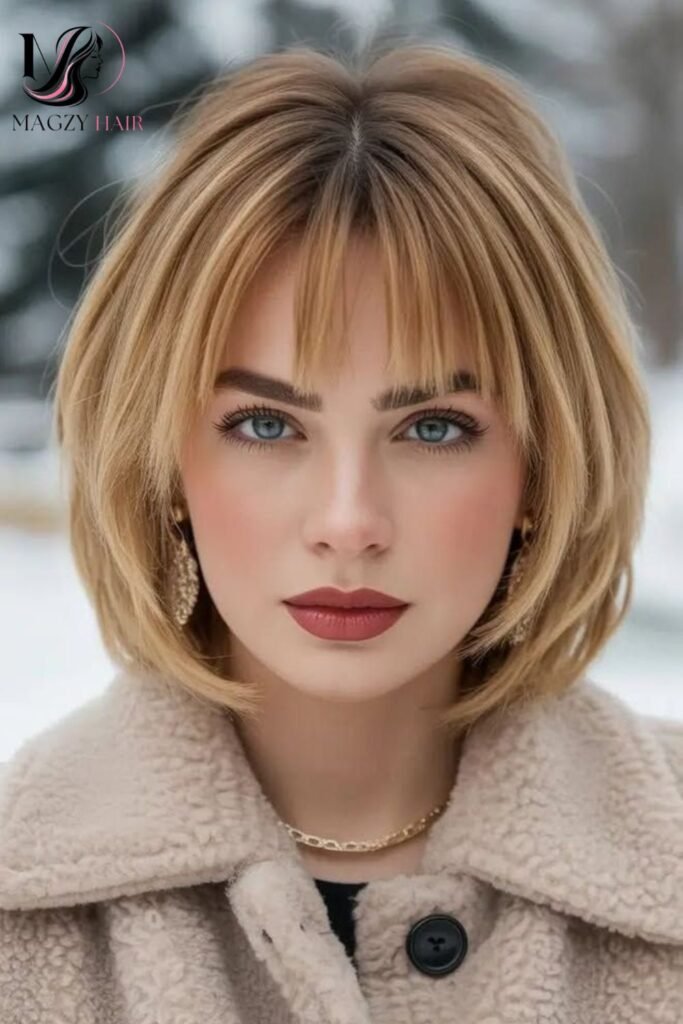
A short bob paired with soft, face framing bangs offers a polished, versatile option among short winter hairstyles, providing coverage and warmth around the forehead that can feel genuinely practical during colder months. Unlike a heavy, blunt fringe, softer bangs tend to blend more naturally with the rest of the cut while still offering a bit of extra coverage against cold wind and dry air.
This particular style also proves useful for anyone dealing with the static and flyaways winter conditions often create around the hairline, since bangs naturally sit closer to the face and can help disguise some of the frizz and static that dry winter air tends to create at the front hairline specifically.
A helpful example: someone who struggles with static and flyaways specifically around their part and hairline during winter might find that adding soft bangs to their short bob naturally minimizes this visible issue, since the bangs themselves cover and blend with the area most prone to static buildup. This is a detail many general style guides overlook when discussing short winter hairstyles.
Maintenance for bangs paired with a bob typically requires more frequent trims than the rest of the cut, generally every 3–4 weeks, since bangs grow out and lose their shape more quickly than the surrounding length.
Wavy Bob for Cold Weather Texture

Among short winter hairstyles, a wavy bob embraces natural or styled texture rather than requiring hair to be perfectly straight and sleek, an approach that happens to work particularly well against winter’s tendency to create frizz and static in smooth, straight styles. Waves and natural texture tend to disguise minor frizz far more effectively than a sleek, straight finish would.
This style also proves genuinely practical for those who wear hats regularly throughout winter, since wave and texture patterns tend to reform more easily after hat compression than a perfectly straight, smoothed style does. A quick scrunch with a texturizing product often restores waves after a hat, whereas straight styles typically require a full re styling with heat tools.
A helpful example: someone who switches from straightening their short bob to embracing natural waves specifically for winter often finds their hair looks less frizzy and static prone overall, simply because the wave pattern camouflages the frizz that dry winter air tends to create rather than fighting against it with a smooth, straight finish that shows every flyaway.
Styling a wavy bob for winter typically involves a lightweight, anti static texturizing spray applied to damp hair, then air drying or diffusing, helping combat winter’s specific tendency to create both frizz and static simultaneously in shorter styles.
Curly Pixie for Effortless Winter Definition
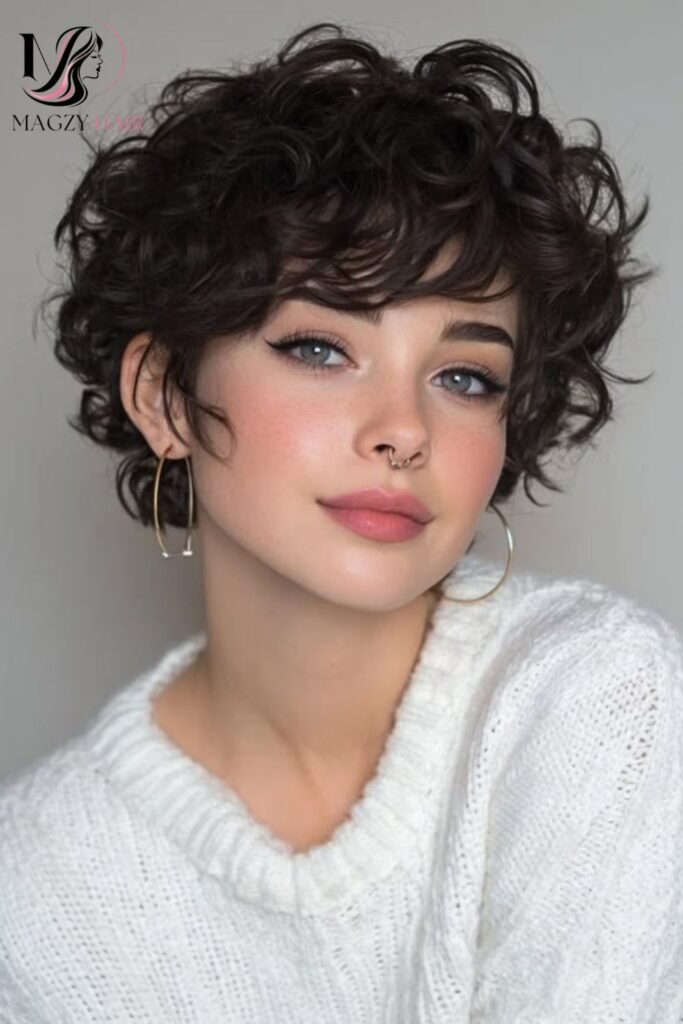
A curly pixie showcases natural curl pattern at a short, low maintenance length, offering genuine styling ease during winter when daily heat styling becomes less appealing in cold, dry conditions. Among short winter hairstyles, this option tends to require the least daily effort for those with naturally curly hair, since the style relies on texture the hair already provides rather than tools that dry it out further.
Winter’s dry air does require some adjustment to standard curly hair care, since naturally curly hair is already more prone to dryness, and winter conditions can compound this significantly. Adding a richer leave in conditioner beneath standard curl defining products helps combat this seasonal increase in dryness that curly short winter hairstyles specifically need to account for.
A helpful example: someone with a curly pixie who uses the exact same lightweight products they relied on during humid summer months might find their curls look noticeably drier and less defined once winter’s dry indoor heat sets in. Switching to a heavier, more moisturizing product routine specifically for winter typically restores the curl definition and shine this particular style depends on.
This style also tends to be one of the more hat friendly options among short winter hairstyles, since curl pattern naturally springs back into shape more easily than straight or wavy texture does after hours spent compressed under a winter hat.
Undercut Pixie for Added Warmth Control
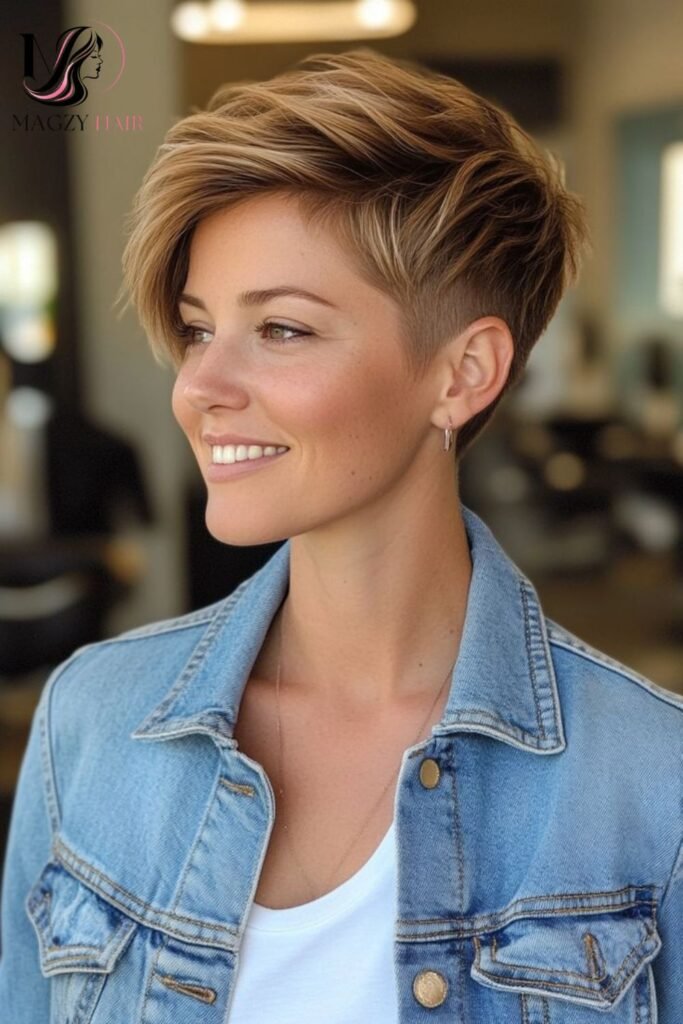
Pairing a pixie with a subtle undercut adds an unexpected practical benefit among short winter hairstyles: the ability to adjust how much hair sits against the neck and ears depending on the day’s temperature. When the longer top sections are styled down, the undercut remains hidden while still reducing overall bulk and heat retention underneath a hat.
This combination works particularly well for those who find themselves overheating under winter hats, since the reduced density from the undercut can make wearing a snug hat feel less stifling than it would with a fully thick, undercut free pixie. This is a genuinely practical, if often overlooked, benefit specific to colder weather styling.
A helpful example: someone who has always found hats uncomfortably warm with their thick, dense pixie might find that adding a subtle undercut solves this specific discomfort, reducing bulk at the nape and sides without compromising the visible style when hair is worn down. This makes the undercut pixie a smart choice among short winter hairstyles for those in particularly cold climates who wear hats extensively.
Maintenance for this style requires attention to two different growth rates, since the undercut section grows out and needs trimming more frequently than the surrounding pixie length, generally every 4–6 weeks to maintain the intended contrast and comfort this particular style provides.
Short Shag With Wispy Fringe

The short shag brings choppy, textured layers paired with a soft, wispy fringe to short winter hairstyles, creating a modern, low maintenance silhouette that holds up particularly well to winter’s specific styling challenges. The inherent texture throughout this cut resists looking flat or lifeless after hours under a hat far better than smoother, more uniform short styles.
This particular style also tends to disguise static and flyaways more effectively than sleeker short winter hairstyles, since the shag’s naturally piece-y, undone quality doesn’t rely on smooth, uniform sections the way a sleek bob or pixie does. A few stray, static charged strands simply blend into the style’s already textured aesthetic rather than standing out as an obvious styling problem.
A practical example: someone who finds their sleeker short styles look noticeably disheveled by static and hat flattening throughout a winter day might find a short shag actually looks intentionally tousled rather than obviously messy under the same conditions. This practical resilience is part of why the shag remains a popular choice among short winter hairstyles specifically for daily hat wearers.
Finishing this style typically involves a lightweight texturizing spray or paste, enhancing the built in movement without weighing down the layers this particular short winter hairstyle depends on for its effortless, undone character.
Sleek, Slicked Back Pixie
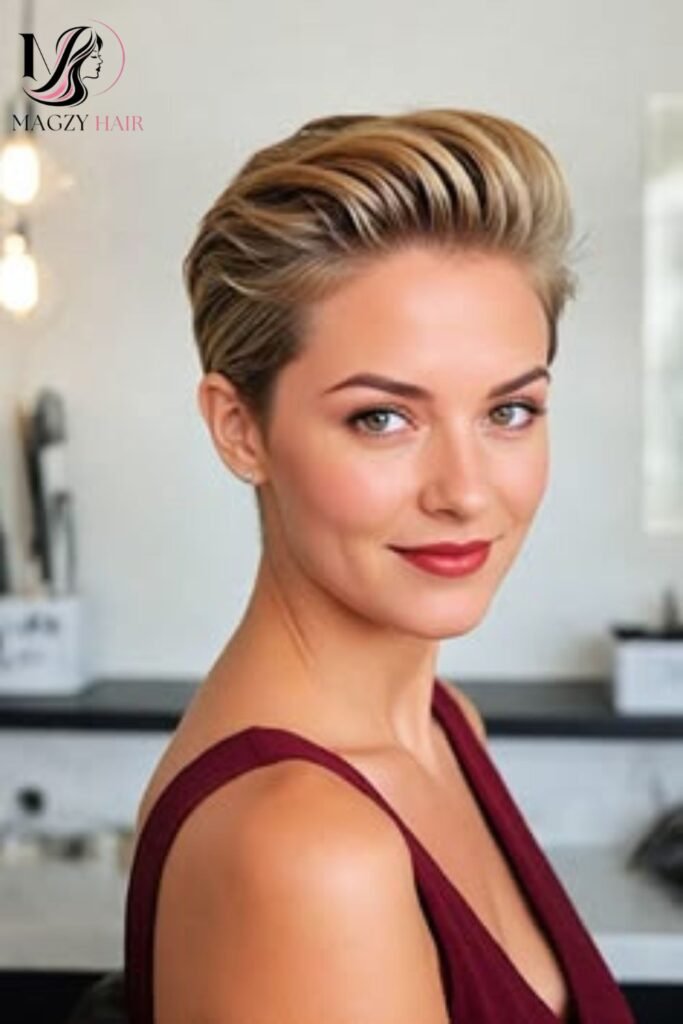
A sleek, slicked back pixie offers a polished, dramatic alternative among short winter hairstyles, using a strong hold styling product to create a smooth, controlled finish rather than embracing texture or volume. This particular look tends to work especially well for formal winter occasions or professional settings where a more structured, editorial silhouette feels appropriate.
Achieving this style well specifically during winter requires a product formulated to combat static and dryness simultaneously, since a standard gel or pomade alone might not provide enough moisture to prevent the hair from looking dry or straw like against the sleek, controlled shape this look depends on. A lightweight oil applied before the styling product helps address this seasonal concern.
A helpful example: someone attempting a slicked back pixie using their typical warm weather styling product might find the finish looks slightly dull or straw textured once winter’s dry air affects their hair. Adding a small amount of shine enhancing oil beneath the usual styling product typically restores the glossy, polished finish this particular short winter hairstyle is meant to achieve.
This style also tends to hold up relatively well under a hat, since the strong hold product used to create the slicked back effect resists the flattening and frizzing that looser, more natural short styles sometimes experience throughout a winter day.
Short Bob With Balayage for Winter Dimension
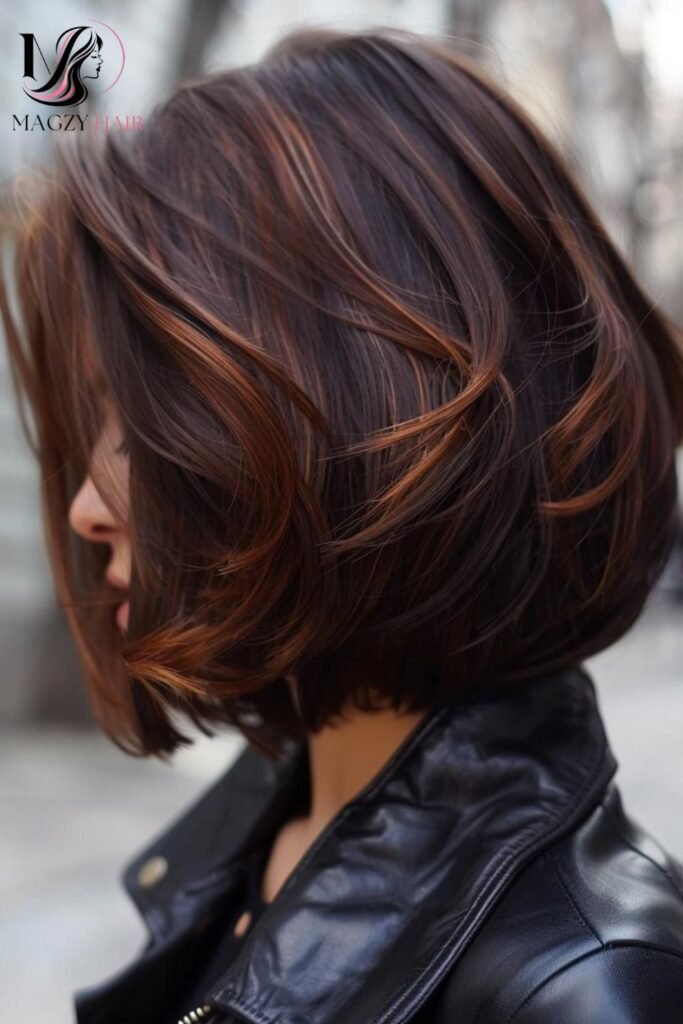
Adding balayage or subtle highlights to short winter hairstyles introduces genuine dimension that flat, single process color often lacks, particularly valuable during winter when natural sunlight is limited and artificial, indoor lighting becomes the primary way most people’s hair color gets seen and appreciated throughout the day.
Deeper, richer highlight placement tends to work particularly well for short winter hairstyles specifically, since these tones photograph and catch light more favorably under winter’s typical indoor lighting than very light, sun reliant shades that can sometimes look flat or dull without direct sunlight to enhance their brightness.
A helpful example: someone with a short bob who received bright, sun kissed balayage over the summer might find the same color looks noticeably less vibrant by midwinter, not because the color faded unusually fast, but because winter’s different, dimmer lighting conditions simply display warm, sun dependent tones less favorably. Choosing deeper, richer highlight tones specifically for winter helps avoid this seasonal disappointment.
Maintenance for color on short winter hairstyles generally requires touch ups every 8–10 weeks, though the shorter overall length means color grows out and needs refreshing somewhat faster than it would on longer hair.
Voluminous Blowout Bob for Polished Winter Days
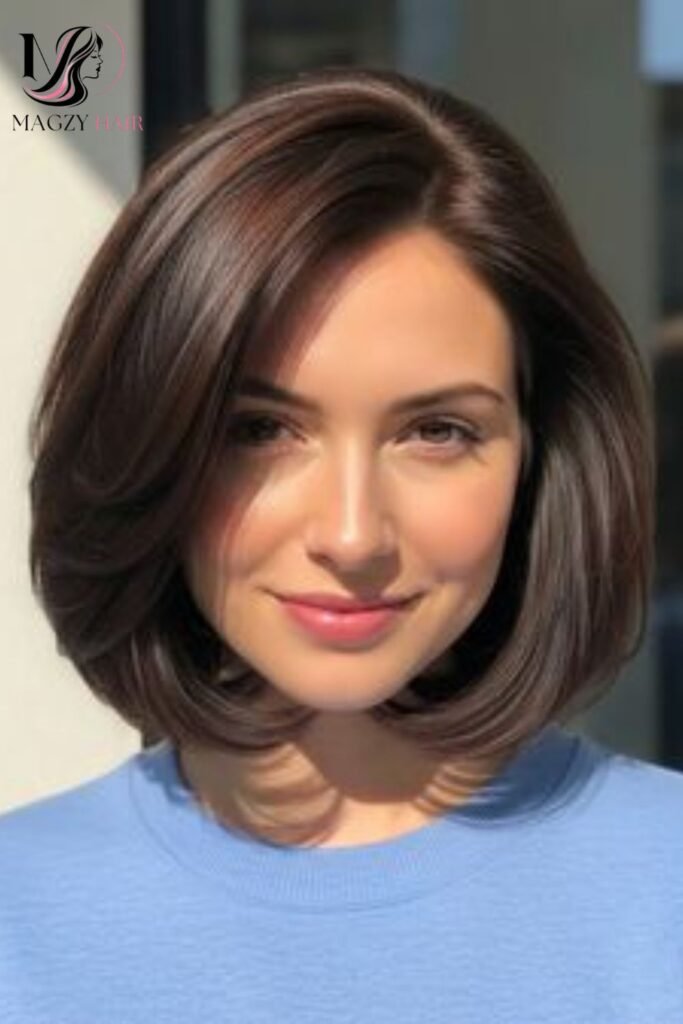
A voluminous, blown out bob offers a more structured, polished take among short winter hairstyles, using a round brush and blow dryer to create defined body and lift rather than relying on natural texture or air drying. This technique tends to produce a noticeably more formal, put together look well suited to winter holiday events or professional settings.
This particular style does require more active daily styling time than many other short winter hairstyles on this list, though the payoff is a polished, voluminous finish that photographs particularly well for holiday gatherings and other winter social occasions where a more elevated look feels appropriate.
A helpful example: someone specifically preparing for a winter holiday event might find that a voluminous blowout transforms their everyday short bob into something noticeably more elevated and camera ready, without requiring any change to the underlying haircut itself. This makes the blowout bob a genuinely useful, occasion specific option among short winter hairstyles.
A lightweight heat protectant applied before blow drying is especially important during winter specifically, since hair is often already somewhat drier from cold air and indoor heating, making it more vulnerable to additional heat styling damage during this particular season.
Short Hair Styling Options for Holiday Occasions
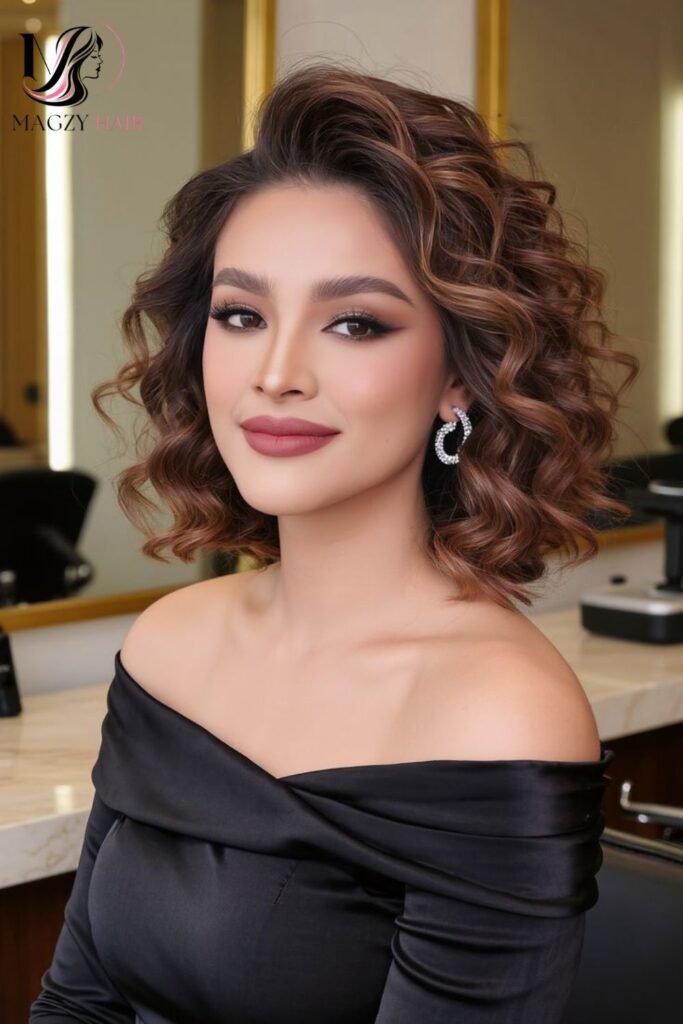
While short winter hairstyles often shine in their everyday, low maintenance state, this length still offers meaningful versatility for winter holiday events and special occasions. Adding soft, defined waves with a small barrel curling wand instantly elevates an everyday short cut into something more polished and celebratory, without requiring any additional length.
Decorative accessories, including small hairpins or delicate clips, offer another easy way to dress up short winter hairstyles for holiday gatherings, particularly effective on pixies and short bobs where a subtle accent can add noticeable visual interest without competing with the cut’s overall shape.
A helpful example: for a holiday party, taking extra time to add soft curls throughout, combined with a shine enhancing serum and a few strategically placed hairpins, can transform an everyday short winter hairstyle into something noticeably more elevated, without requiring any change to the underlying haircut.
This flexibility between low maintenance daily wear and elevated occasion styling is part of what makes short winter hairstyles such a practical choice for the busy, social winter season specifically, offering genuine versatility without requiring significant extra length.
Choosing Short Winter Hairstyles by Face Shape
Face shape plays a significant role in which short winter hairstyles look most flattering, a detail generic seasonal roundups often skip entirely. Round faces tend to benefit from styles with more height at the crown and longer front pieces, like a longer pixie or short shag, since these help elongate the face rather than adding width at its widest point.
Square faces generally look best with softer, rounder texture rather than sharp, choppy layering, since gentle movement helps soften a strong, angular jawline. Heart shaped faces often benefit from short winter hairstyles that add fullness around the jaw specifically, balancing a narrower jawline against a fuller forehead, something a short bob with soft, side-swept bangs can help achieve.
A helpful example: two people requesting the “same” pixie from a reference photo may need genuinely different layer placement and length around the face to achieve an equally flattering result, simply because their face shapes differ significantly. This is why clearly communicating your face shape and specific priorities to your stylist leads to a far more personalized, satisfying outcome than a reference photo alone can provide.
Oval faces tend to have the most flexibility among short winter hairstyles, generally suiting nearly any length or styling approach discussed in this guide. For other face shapes, taking a few extra minutes during consultation meaningfully improves the odds of a genuinely flattering result.
Common Mistakes to Avoid With Short Winter Hairstyles
One of the most frequent mistakes is continuing an identical summer product routine into winter without adjusting for the season’s dry, static prone air. Switching to slightly richer, more moisturizing and anti static products specifically for the colder months helps short winter hairstyles avoid the frizz and flyaways lightweight summer formulas can’t adequately address.
Another common error involves choosing a very structured, sleek short style without accounting for how it will hold up to daily hat wearing throughout winter. Styles relying on natural texture, waves, or built in layering tend to bounce back from hat compression far more easily than perfectly smooth, sleek styles that require a full re styling session each time a hat comes off.
Skipping heat protection during winter blowouts and styling sessions is another frequently repeated mistake, particularly damaging since hair is often already drier from cold air and indoor heating during this season. Consistent use of a quality heat protectant helps prevent additional damage that could otherwise compound winter’s natural dehydrating effect on hair.
Finally, neglecting scalp health during winter is a mistake worth avoiding, since dry indoor heat can lead to a dry, flaky scalp that affects how healthy and full short hair looks overall. A gentle, hydrating scalp treatment used periodically throughout winter helps keep short winter hairstyles looking genuinely healthy from the roots outward.
The Future of Short Winter Hairstyles
Short winter hairstyles continue to evolve alongside broader advances in weather specific product formulation and cutting techniques designed with seasonal practicality in mind. As more brands develop products specifically addressing winter’s unique combination of dryness and static, achieving polished, healthy looking short styles during the colder months is becoming considerably easier than it once was.
There’s also a growing emphasis on cuts specifically designed to hold up well to hat wearing, with more stylists discussing this practical consideration directly during consultations rather than treating it as a secondary concern separate from the haircut itself. This reflects a broader recognition that short winter hairstyles genuinely need to account for real world winter conditions, not just how a cut looks freshly styled in a salon chair.
Technology is advancing alongside this trend as well, with more heat styling tools incorporating built-in moisture and anti static technology specifically designed to counteract winter’s particularly harsh effects on hair health and manageability.
Looking ahead, personalized digital consultation tools, including AI based style previews that account for practical factors like hat wearing and climate, are beginning to help people choose short winter hairstyles that will genuinely hold up well to their specific daily routine and local winter conditions, rather than purely aesthetic considerations alone.
Conclusion
Short winter hairstyles offer genuine practical advantages during the colder months, provided you choose a cut and routine suited to winter’s specific challenges. From a low maintenance layered pixie to a polished blowout bob, there’s an option here suited to nearly every lifestyle and hat wearing habit. The key is adjusting your styling routine seasonally rather than year round. Ready to update your look this winter Bring this guide to your next appointment and start exploring short winter hairstyles that truly fit you.
Ayesha Noor is the founder and lead writer behind Magzy Hair. With 4 years of experience researching hairstyles, hair care, and beauty trends, she enjoys helping readers discover styles that suit their unique personality and lifestyle.


