
Copper Hair Color Ideas: The Complete Guide to Shades, Maintenance, and Styling

Copper hair color ideas have exploded in popularity over the past few years, and it’s easy to understand the appeal. Copper sits in that rare space between red and orange, warm and vibrant without being as high maintenance as fire engine red or as understated as strawberry blonde. It’s a color that can look natural on some people and boldly editorial on others, which is exactly why it’s become one of the most requested warm tones in salons today.
This guide goes well beyond a simple gallery of copper shades. It explains how copper hair color actually behaves on different hair types and skin tones, what the maintenance really involves, and details competitors often skip like why copper fades faster than nearly any other color family, and what that actually means for your upkeep routine. Whether you’re considering copper for the first time or want to get more life out of the shade you already have, this is the deeper, more practical guide.
Why Copper Hair Color Has Become So Popular
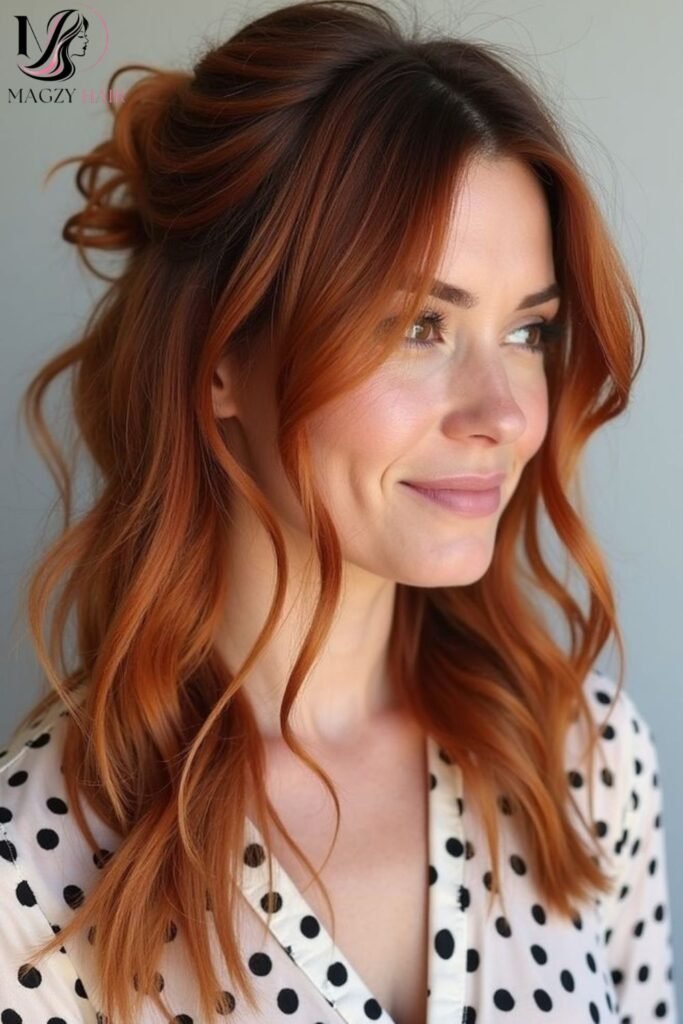
Copper hair color ideas have surged in popularity partly because the shade photographs beautifully across nearly every lighting condition, from warm indoor lighting to natural daylight. Unlike some cooler tones that can look flat or muddy indoors, copper tends to catch and reflect warm light in a way that reads as vibrant and healthy, which explains its strong presence across social media and styling inspiration platforms.
Another major factor driving copper’s popularity is its versatility as a base tone. It pairs beautifully with both fair and deeper skin tones when the specific shade is chosen thoughtfully, unlike some red tones that can feel more restrictive. For example, a soft, muted copper suits a more natural, everyday look, while a bright, saturated copper creates a striking, statement-making effect both falling under the same broad color family.
There’s also a practical, cultural shift worth noting: copper has increasingly become associated with individuality and confidence rather than simply being seen as an unconventional choice. Many colorists report that clients specifically request copper because it feels both bold and wearable at the same time, a balance that’s harder to achieve with either very natural tones or extremely vivid fashion colors.
Finally, advances in hair color formulation have made copper more achievable and longer lasting than it was even five years ago. Modern demi permanent and permanent copper formulas offer richer pigment deposit and better fade patterns, making this once high maintenance color noticeably more practical for everyday clients rather than only those willing to visit the salon every few weeks.
Explore More: https://magzyhair.com/medium-bob-haircuts/
Vivid Copper: The Boldest Version of This Shade
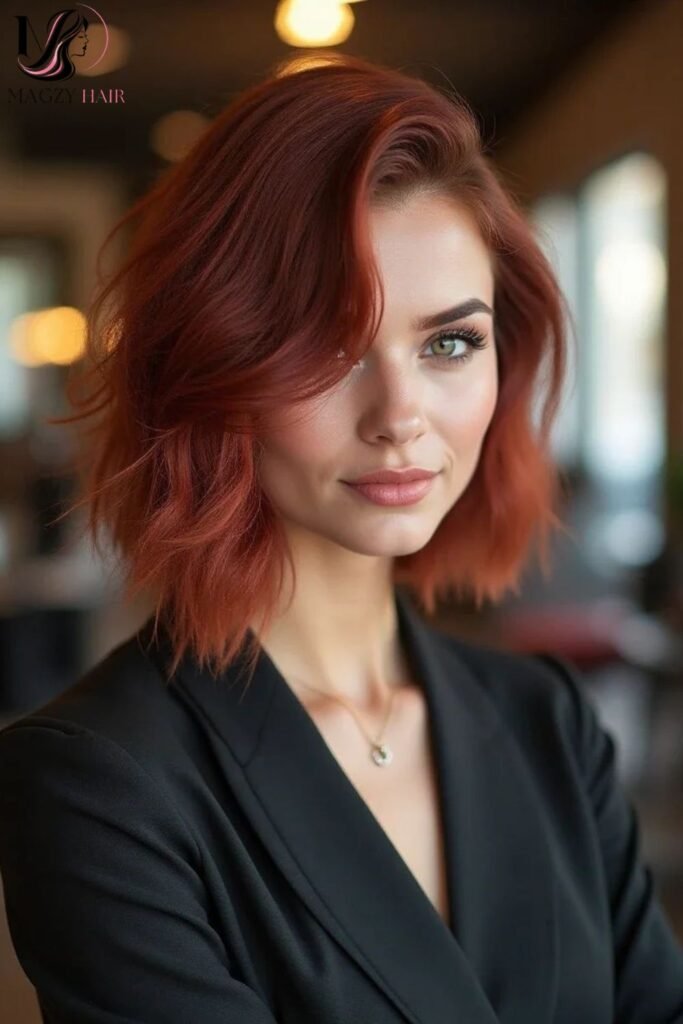
Vivid copper represents the most saturated, high impact version within copper hair color ideas, delivering an intense, almost metallic orange-red finish. This shade typically requires a lightened base, since achieving true vivid copper on naturally dark hair without pre lightening often results in a duller, more subdued tone rather than the bright, saturated color most people picture when they think of vivid copper.
Achieving this shade safely usually requires a gradual lightening process, particularly on naturally dark or previously colored hair. Rushing to reach the pale base needed for vivid copper in a single session significantly increases the risk of damage and breakage. Most experienced colorists recommend spacing lightening sessions two to four weeks apart, allowing bond building treatments to support hair health between appointments.
A helpful real world example: someone with naturally dark brown hair wanting vivid copper should expect a multi session process rather than a single transformative appointment, particularly if starting from virgin, unlightened hair. Skipping this gradual approach in favor of a faster result is one of the most common reasons at home or rushed vivid copper attempts turn brassy, uneven, or damaged.
Maintenance for vivid copper is more intensive than for softer copper shades, largely because copper pigment molecules are notoriously large and fade quickly, especially with frequent washing or sun exposure. Color depositing conditioners or glosses every two to three weeks are typically necessary to maintain the shade’s vibrancy between full salon color appointments.
Soft Copper: A More Natural, Wearable Option
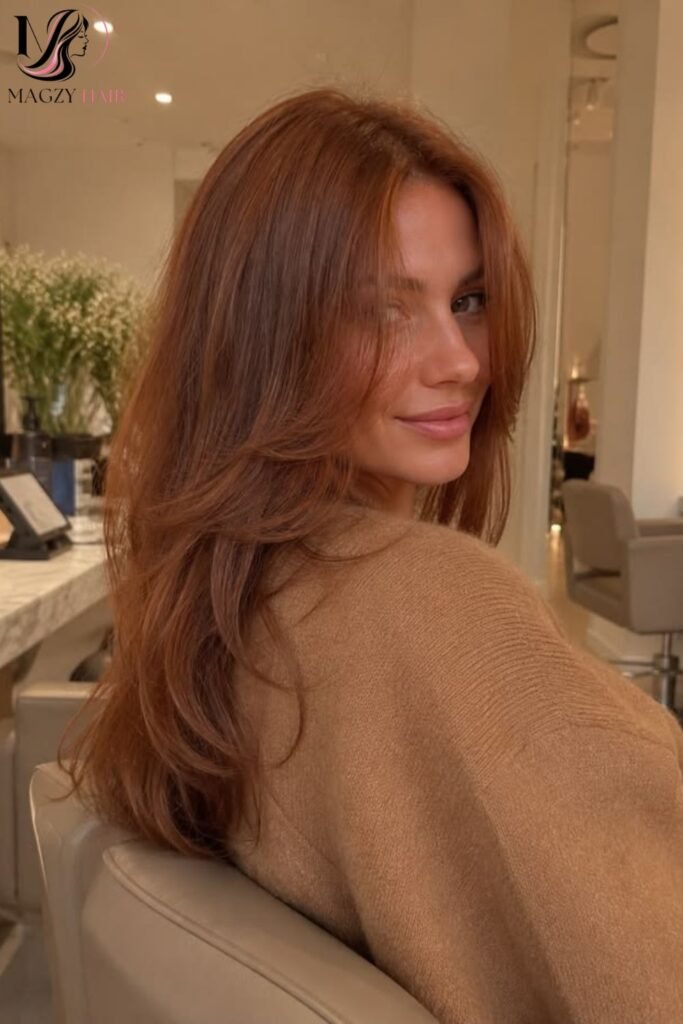
Soft copper offers a gentler alternative to vivid, saturated versions, blending warm copper tones with subtle golden or auburn undertones for a more natural, everyday wearable finish. This shade is particularly forgiving for first time copper hair color clients, since it doesn’t require lifting hair to a pale base, reducing both the processing time and potential damage compared to more vivid variations.
One advantage rarely discussed in typical guides is how effectively soft copper works as a transitional shade. For people easing into copper hair color rather than committing to a dramatic change, this tone acts as a comfortable middle step, allowing them to experience warmer, more vibrant hair before deciding whether to go bolder. It’s a practical strategy that spreads the color journey over a longer, more manageable timeline.
Soft copper also tends to read more naturally across different professional and social settings compared to vivid copper, which can sometimes feel too bold for more conservative environments. This makes soft copper an appealing choice for those wanting the warmth and vibrancy associated with copper hair color ideas without it becoming the most dominant feature of their overall appearance.
Upkeep for this shade is comparatively lower maintenance, with root touch ups typically needed every 6–8 weeks and toning treatments used less frequently than with vivid copper. This makes soft copper a smart entry point for anyone wanting to explore copper hair color ideas without committing to the more demanding maintenance schedule that bolder versions require.
Copper Balayage: A Low Maintenance Approach
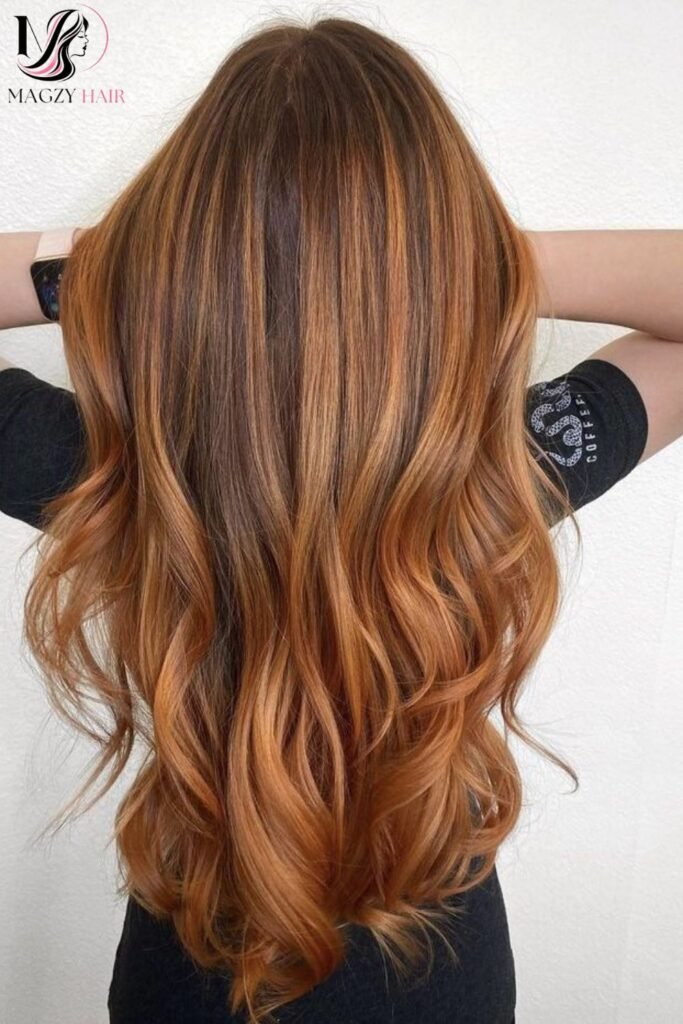
Copper balayage applies the hand painted, root free technique to copper tones, creating a graduated, sun kissed effect rather than uniform, all over color. Because the color is painted with a soft, blended placement, regrowth is significantly less noticeable than with traditional foil highlighting, making this one of the more practical ways to enjoy copper hair color ideas without frequent root maintenance.
This technique works particularly well for people wanting a more effortless, “lived-in” copper look rather than a precise, freshly colored appearance at all times. The graduated placement means the color naturally intensifies toward the ends, mimicking how hair might warm up naturally over time from sun exposure, just with more deliberate, richer copper tones woven throughout.
An insight often missed in generic copper guides: copper balayage requires careful color mixing to avoid looking overly brassy or orange toned in a way that reads as unintentional rather than deliberately warm. Experienced colorists typically build copper balayage in translucent layers, checking tone development carefully throughout the process rather than applying one heavy application that risks an uneven, overly orange result.
Because of its graduated nature, copper balayage typically needs full touch ups only every 3–4 months, though color depositing treatments every few weeks help maintain vibrancy between salon visits. This combination of lower root maintenance and periodic toning makes copper balayage a popular choice for busy clients still wanting a dimensional, high impact copper look.
Copper Highlights: Adding Warmth Without Full Commitment
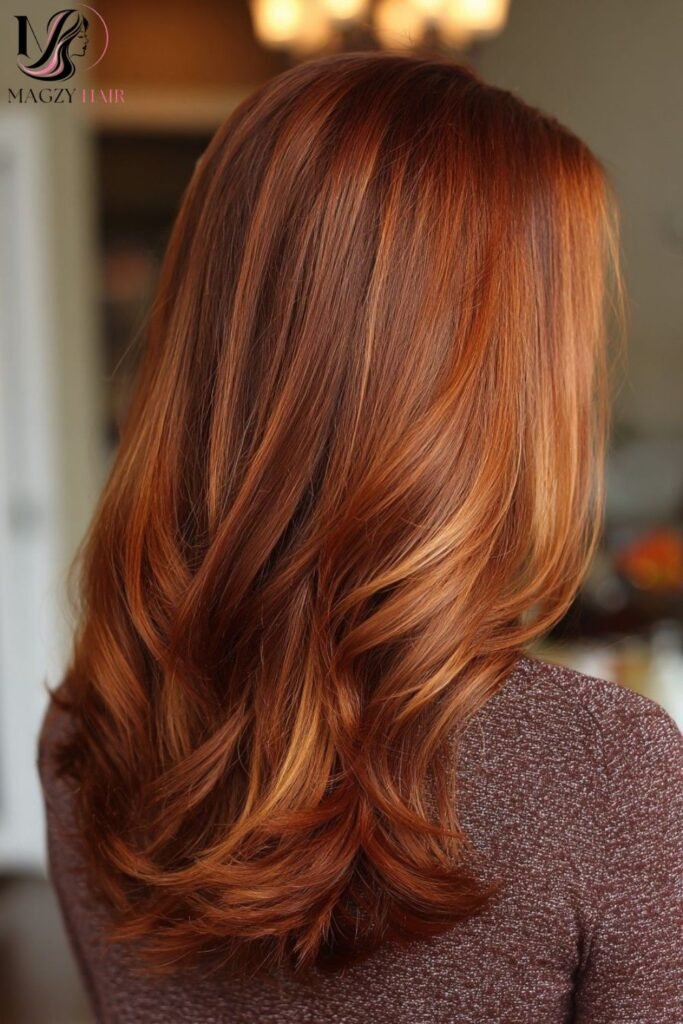
Copper highlights offer one of the most practical ways to explore copper hair color ideas without committing to an all over transformation. By weaving copper tones through the mid lengths and ends, this technique adds warmth and dimension while keeping much of the natural base color intact, making it especially appealing for people unsure about long term maintenance commitments.
Placement significantly affects the final look with copper highlights. Face framing copper pieces tend to brighten the complexion and draw attention to the eyes, while more evenly distributed highlights throughout the head create a subtle, all over warmth. A skilled colorist typically asks about specific priorities face framing brightness versus overall warmth before finalizing placement decisions.
A useful mini scenario: someone with medium brown hair wanting to “test” copper before fully committing might start with just 15–20% copper highlighted coverage. This allows them to see how the color interacts with their skin tone and personal style without the larger investment of a full head transformation, and it’s considerably easier to grow out or adjust if they decide copper isn’t quite right for them.
Because copper highlights only affect a portion of the hair, overall maintenance tends to be lighter than full copper color. However, it’s worth noting the highlighted sections still require regular color depositing treatments to prevent fading, even if the surrounding natural hair requires no additional upkeep at all.
Copper Hair Color for Different Skin Undertones
Choosing the right copper shade isn’t just about personal preference skin undertone plays a significant role in how flattering the final color appears. Warm toned skin, which often has golden or peachy undertones, generally pairs beautifully with rich, golden leaning copper shades, since these tones complement rather than compete with the skin’s natural warmth.
Cool toned skin, on the other hand, can sometimes look slightly washed out under very warm, orange heavy copper tones. In these cases, colorists often recommend a copper shade with subtle red or berry undertones rather than pure orange copper, which bridges the gap between the hair’s warmth and the skin’s coolness without clashing against one another.
A helpful example: two clients with the same natural hair color but different undertones might need noticeably different copper formulas to achieve an equally flattering result. A warm toned client might thrive with a bright, golden copper, while a cool toned client achieves a more flattering result with a deeper, red leaning copper that softens the overall warmth of the color.
Neutral undertones generally have the most flexibility, able to wear most copper hair color ideas successfully across the shade spectrum. Even so, neutral toned clients benefit from a consultation that considers eye color and personal style preferences, since these factors influence which specific copper shade will look most intentional and cohesive with their overall appearance.
Copper Hair Color on Different Hair Lengths and Textures
Copper hair color interacts differently depending on hair length and texture, a detail many generic guides overlook entirely. On longer hair, copper tones tend to appear more dimensional, since light reflects differently along the length, creating natural looking depth and movement throughout the color. Shorter cuts, in contrast, tend to show copper as a more solid, concentrated block of color, which can look striking but requires more even, precise application.
Curly and wavy hair textures also affect how copper color reads visually. Because curls and waves create more light catching surface area, copper tones often appear brighter and more multidimensional on textured hair compared to straight hair, where the same formula can look comparatively flatter and more uniform. This is worth discussing with a colorist, since curly haired clients may need a slightly less intense formula to achieve the same perceived vibrancy as straight haired clients.
A mini scenario demonstrates this well: two clients with identical copper formulas one with straight hair, one with curly hair often end up with visibly different results. The curly haired client’s finished color typically appears richer and more luminous due to how curls catch and reflect light, while the straight haired client’s color looks smoother and more evenly distributed throughout the length.
Fine hair textures require some extra caution with copper color, since achieving a vivid, saturated copper often involves lightening, which can be more taxing on finer strands. Colorists often recommend more gradual lightening and additional bond building treatments for fine haired clients, helping protect hair integrity while still achieving a rich, satisfying copper result.
How to Maintain Copper Hair Color Between Salon Visits
Maintaining copper hair color requires more consistent attention than many other shades, largely because copper pigment molecules are physically larger and wash out of the hair cuticle faster than other color families. This means copper hair color ideas that look stunning fresh out of the salon can fade noticeably within just a few weeks without a dedicated maintenance routine.
Color depositing shampoos and conditioners formulated specifically for copper or red tones are essential for most copper shades, helping refresh pigment between full salon appointments. Most colorists recommend using these products once or twice a week, since overuse can occasionally lead to slight color buildup that looks uneven rather than naturally refreshed.
Washing hair in cooler water, rather than hot water, is a simple but often overlooked step that significantly slows color fading for copper specifically. Hot water opens the hair cuticle more widely, allowing pigment to wash out faster, while cooler water helps keep the cuticle closed, locking in color for a longer period between washes and salon visits.
Sun exposure also affects copper hair color more noticeably than some other shades, since UV rays can accelerate fading and sometimes shift copper toward a duller, less vibrant tone over time. Using a UV protectant hair spray or wearing a hat during extended sun exposure helps preserve the shade’s vibrancy, particularly important for anyone maintaining copper hair color through summer months specifically.
Common Mistakes People Make With Copper Hair Color
One of the most frequent mistakes is attempting to achieve vivid copper on dark, previously unlightened hair in a single salon session. This aggressive approach significantly increases the risk of breakage and uneven color, since reaching the pale base needed for true vivid copper often requires lifting through multiple levels of natural pigment gradually rather than all at once.
Another common error is neglecting color depositing maintenance and assuming copper will simply hold its vibrancy without additional upkeep. Copper is one of the more high maintenance color families precisely because of how quickly its pigment molecules fade, meaning skipping toning or color refreshing treatments often results in a noticeably duller, less vibrant color within just a few weeks.
Choosing a copper shade based purely on trend photos without considering personal skin undertone is another frequent misstep within copper hair color ideas specifically. A shade that looks stunning on someone with warm undertones might appear slightly clashing or less flattering on someone with cooler undertones, a mismatch that a proper in person consultation typically helps avoid entirely.
Finally, many people underestimate how much daily styling habits affect copper hair color longevity. Frequent heat styling, especially at high temperatures without heat protectant, can cause copper hair to fade and look duller more quickly, since the heat further opens the hair cuticle and accelerates pigment loss beyond what washing alone would cause.
Copper Hair Color for Men: A Rising Trend

Copper hair color ideas aren’t limited to women this shade has become an increasingly popular choice among men as well, particularly for those wanting a distinctive, natural looking change from their base hair color. Subtle copper tones or copper toned highlights are commonly requested, often designed to look sun kissed and natural rather than dramatically or obviously colored.
For men with naturally lighter brown or dark blonde hair, copper toning can enhance existing warm undertones already present in their natural color, creating a richer, more dimensional look without requiring a dramatic base color change. This approach tends to feel more approachable for men newer to hair coloring, since it builds on existing natural warmth rather than introducing an entirely different tone.
A practical example: a man with naturally light brown hair might choose subtle copper highlights specifically around the crown and front, areas most exposed to natural sun, creating a look that mimics a natural summer warming effect rather than an obviously salon-applied color change. This approach tends to read as low key and natural, appealing to men wanting warmth without a bold, obviously “colored” appearance.
Maintenance considerations for men are generally similar to women’s, though shorter men’s haircuts often mean regular trims naturally remove some colored length, effectively requiring slightly more frequent touch-ups to maintain consistent color throughout the head, typically every 5–7 weeks depending on individual hair growth speed.
Copper Hair Color and Hair Health: What to Know Before Committing
Before committing to copper hair color, understanding its potential impact on hair health is essential, since more vivid, saturated copper shades typically require some degree of lightening to achieve their full intensity. This lightening process breaks down the hair’s natural protein structure, which is why bond building treatments have become a standard, expected part of the copper coloring process for most clients rather than an optional add-on.
A hair health assessment before coloring is one of the most valuable, yet frequently skipped, steps in the copper color journey. Colorists who evaluate current hair condition, previous chemical treatments, and overall elasticity can better predict how the hair will respond to lightening, helping avoid over-processing that could compromise the ability to safely achieve the desired copper tone.
A realistic example: someone who has previously chemically relaxed or permed their hair should expect a more cautious, gradual approach to reaching vivid copper, since combining multiple chemical processes significantly increases the risk of breakage. A responsible colorist will often recommend waiting or performing a strand test before proceeding, even if it extends the overall timeline to reach the desired shade safely.
Long term hair health also depends heavily on post color care choices. Investing in sulfate free, color safe shampoos, regular deep conditioning treatments, and minimizing heat styling frequency all contribute significantly to how well copper hair color holds up over time, affecting both the shade’s vibrancy and the overall condition of the hair itself.
Choosing the Right Copper Shade for Your Style
Choosing the right shade among copper hair color ideas involves more than simply picking a color from an inspiration photo it requires considering personal style, lifestyle, and maintenance willingness together. Someone who prefers a bold, editorial look might gravitate toward vivid, saturated copper, while someone wanting a softer, more natural aesthetic may prefer soft copper or copper balayage, both of which require less intensive ongoing upkeep.
Lifestyle factors also matter significantly in this decision making process. For example, someone who spends significant time outdoors or swims regularly should consider how sun and chlorine exposure interact with lightened, copper toned hair, since both can accelerate fading and dullness. In these cases, colorists often recommend slightly deeper copper tones that show less obvious fading compared to brighter, more saturated shades.
A helpful decision making approach involves starting with maintenance commitment first, then working backward to select the specific shade. Someone unwilling or unable to visit the salon every few weeks is generally better suited to soft copper, balayage, or highlighted copper techniques rather than a full, vivid transformation that demands more frequent, intensive upkeep to maintain its intended vibrancy.
Ultimately, the best choice among copper hair color ideas is one that realistically aligns with both personal style goals and practical maintenance capacity. A shade that looks beautiful in inspiration photos but requires significantly more upkeep than someone is willing to commit to often leads to frustration, while a well matched, realistic choice tends to result in much longer term satisfaction with the color.
Copper Hair Color for Different Seasons
Copper hair color ideas can be adjusted seasonally to suit changing style preferences and practical considerations throughout the year. In warmer months, brighter, more vivid copper tones tend to feel especially fitting, complementing sun kissed skin and the generally more vibrant, energetic aesthetic many people gravitate toward during spring and summer seasons specifically.
During cooler months, deeper, more muted copper tones sometimes blended with subtle auburn or chestnut undertones tend to feel more seasonally appropriate, creating a rich, warm effect that complements heavier fall and winter clothing and generally softer, more subdued seasonal styling preferences overall.
A practical example: someone maintaining copper hair color year round might request a slightly brighter, more saturated refresh in early spring, then transition to a deeper, more muted copper formula heading into autumn. This seasonal adjustment approach helps keep the overall look feeling fresh and intentional throughout the year, rather than maintaining an identical shade regardless of changing seasonal context.
Seasonal sun exposure also naturally affects copper hair color’s appearance without any deliberate salon adjustment, since summer sun tends to brighten and lighten copper tones gradually over time, while reduced winter sun exposure often results in a more consistent, unchanging shade throughout colder months. Understanding this natural seasonal shift helps set realistic expectations for maintenance scheduling throughout the year.
Copper Hair Color and Eye Makeup or Wardrobe Pairing
Copper hair color ideas naturally influence complementary makeup and wardrobe choices, since this warm shade interacts distinctly with certain colors compared to cooler hair tones. Green and gold toned eye makeup tends to complement copper hair particularly well, as these shades echo the warmth in the hair color while enhancing the eyes in a cohesive, intentional way.
Wardrobe colors that pair particularly well with copper hair include deep greens, warm browns, and cream tones, all of which complement rather than compete with copper’s inherent warmth. Conversely, very cool toned colors like icy blues or stark whites can sometimes create a jarring contrast against warm copper hair, though this pairing can also be used deliberately for a more striking, high contrast styling effect.
A helpful example: someone with copper hair color attending a special event might choose a deep emerald or forest green outfit specifically to complement their hair’s warm undertones, creating a cohesive, intentional overall look. This kind of thoughtful color coordination is a detail rarely discussed in typical copper hair color guides, yet it meaningfully affects how polished and put together the overall styling reads.
Metallic jewelry choices also interact with copper hair color in a notable way, with gold and rose gold tones generally complementing this warm hair shade more effectively than silver or platinum tones, which can sometimes feel visually disconnected from copper’s inherently warm base color.
The Future of Copper Hair Color Trends
Copper hair color ideas continue to evolve, with future trends leaning toward more personalized, skin tone specific formulations rather than generic, one size fits all copper shades. As colorists gain more experience and access to increasingly sophisticated formulation technology, copper tones are becoming more precisely customized to individual undertones, creating more universally flattering results across a broader range of skin tones than in previous years.
There’s also a growing emphasis on longer lasting copper formulations, addressing the shade’s historically rapid fading tendency. Advances in color locking technology and specialized copper-specific maintenance products are helping extend the vibrancy of copper hair color between salon visits, making this once notoriously high maintenance shade increasingly practical for a broader range of lifestyles and maintenance preferences.
Sustainability considerations are also shaping copper hair color trends, with techniques like balayage and highlighted copper gaining continued popularity partly because they require fewer full salon visits and less overall chemical processing compared to full head vivid transformations. This shift reflects a broader movement toward hair color choices that balance aesthetic impact with long term hair health and reduced salon visit frequency.
Looking ahead, copper hair color is likely to remain a consistently popular choice precisely because of its unique position between natural and bold a versatility that few other color families offer as effectively. As formulation technology continues improving and more people share successful copper transformations and maintenance routines, this shade is likely to become even more accessible and mainstream in the coming years.
Conclusion
Copper hair color ideas offer a striking yet wearable way to add warmth, dimension, and personality to nearly any hair type or skin tone. Whether through vivid copper, soft everyday shades, balayage, or subtle highlights, there’s a copper option suited to almost every lifestyle and maintenance preference. If you’ve been considering this shade, use these ideas as a starting point and talk to a trusted colorist about the copper look that fits you best.
Ayesha Noor is the founder and lead writer behind Magzy Hair. With 4 years of experience researching hairstyles, hair care, and beauty trends, she enjoys helping readers discover styles that suit their unique personality and lifestyle.


