15 Best Fall Hair Color Ideas to Try This Season (Complete Guide)

Fall hair color ideas consistently top the list of most-requested salon services each September and October, and for good reason. Autumn’s palette copper, rust, deep brown, burgundy mirrors the exact colors changing on trees outside, which is why these shades feel so instinctively right this time of year. Cooler temperatures also mean less direct sun exposure, so rich, vibrant fall hair color choices tend to hold their depth and vibrancy far longer than they would during peak summer heat.
This guide goes beyond a simple list of fall hair color ideas. It explains how each shade actually interacts with different skin undertones, hair types, and maintenance routines, along with details most articles overlook like why a fall hair color change is often the smartest time to repair sun and chlorine damage at the same time you refresh your look. Whether you’re considering a subtle shift or a dramatic transformation, this is the deeper, more practical resource for choosing your next fall hair color.
What Makes a Great Fall Hair Color
Fall hair color ideas generally pull from warm, earthy, and richly saturated tones copper, auburn, chestnut, burgundy that echo the natural landscape of the season. This isn’t just an aesthetic preference; warm tones genuinely photograph and read better under the shorter days and warmer indoor lighting typical of autumn and winter, while cooler summer blondes can start to look slightly out of place once the leaves change.
Understanding why fall hair color choices skew warm matters because it changes how you should think about your own selection. Hair that leans warm toned at the shorter end of a color’s range, like a soft honey blonde, behaves differently than something at the deeper end, like espresso brown, in terms of how quickly it fades and how it interacts with your natural undertone. Choosing within this range isn’t arbitrary it’s about finding where your skin tone and lifestyle intersect with the season’s palette.
A helpful example: someone transitioning from a cool, icy summer blonde into fall often treats the change as an abrupt swap rather than a natural progression. Working with a colorist to gradually warm up existing color rather than starting over completely keeps the fall hair color transition looking intentional and healthy, rather than like two unrelated colors were forced together.
This category of hair color also tends to suit a wider range of skin tones than trend driven summer shades, since warm, earthy pigments have more built in flexibility for adjustment. There’s enough tonal range for both warm and cool undertones to find a flattering match, which is part of why fall hair color remains one of the most searched and requested categories every single year.
Explore More: https://magzyhair.com/honey-blonde-hair-color-ideas/
Copper Red Hair color
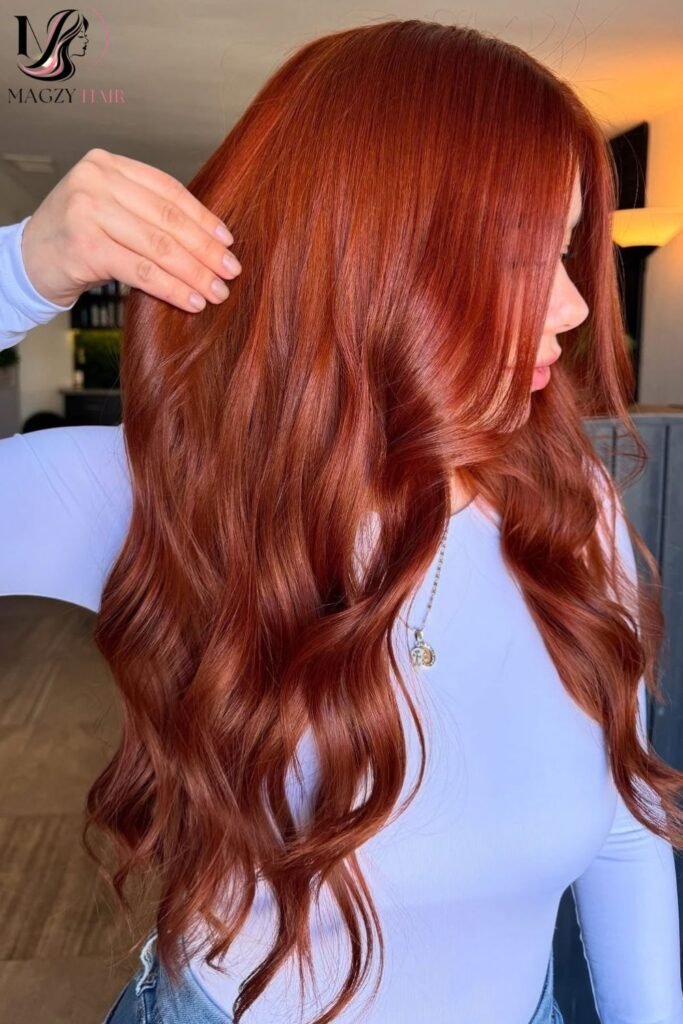
Copper red is arguably the single most iconic fall hair color, and for good reason it mirrors the exact shade of autumn leaves. This fall hair color works especially well on medium to fair skin tones with warm or neutral undertones, giving the complexion a healthy, sun kissed glow even as the weather cools down. Unlike flat red dyes, modern copper formulas blend orange, gold, and red pigments together, creating dimension instead of a single, harsh block of color.
One detail many people don’t realize is that copper fades faster than most other fall hair color options, because the pigment molecules used to create it are larger and sit closer to the hair’s surface. To keep copper vibrant, colorists recommend sulfate free shampoo and a color depositing conditioner every two to three washes. Skipping this step is the number one reason people say “my copper faded orange” within a month.
A practical scenario worth noting: someone hesitant about full commitment to this fall hair color can ask their stylist about a copper gloss or toner over their natural base instead of permanent color. This gives the rich autumn tone with far less upkeep and no visible root line as it grows out, making it a smart, low risk way to test copper before going all in.
Chocolate Brown with Caramel Highlights Hair Color
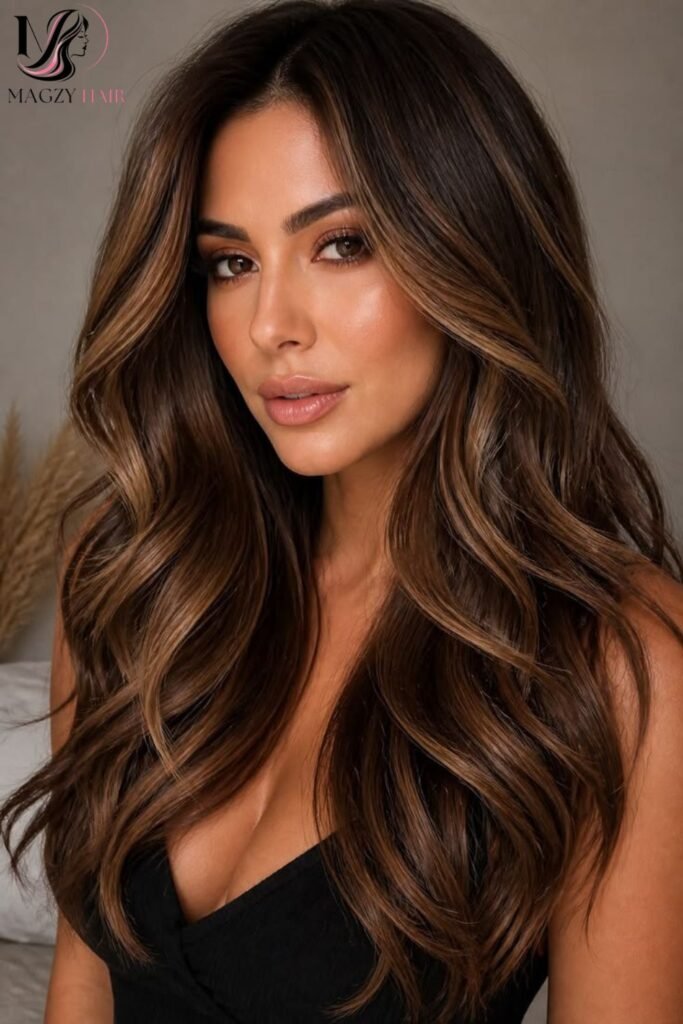
Chocolate brown with caramel highlights is the definition of a classic fall hair color that never actually goes out of style. The deep brown base gives a grounded, polished appearance for work or everyday life, while the caramel pieces add warmth and movement without looking overdone. This combination flatters nearly every skin tone, which is exactly why it consistently ranks as one of the most requested fall hair color combinations at salons.
What sets a great version of this fall hair color apart from an average one is placement. Instead of highlighting the whole head evenly, skilled colorists concentrate the caramel pieces around the face and through the ends, mimicking how hair naturally lightens from sun exposure. This technique, often called “money piece” highlighting, creates a face framing effect that brightens your features without requiring a full head of foils.
A helpful example: two clients requesting the “same” chocolate caramel fall hair color photo may need genuinely different highlight placement to achieve an equally flattering result, simply because their base color and face shape differ. This is why clearly discussing your natural color and priorities with your stylist leads to a far more personalized, satisfying outcome than a reference photo alone can provide.
Maintenance wise, this is one of the more forgiving fall hair color options available. Because the base stays close to a natural brown, root regrowth blends in easily, meaning you can often stretch touch ups to every 10–12 weeks. That makes it a practical choice if you want a seasonal refresh without committing to frequent, costly salon visits throughout autumn and winter.
Auburn Fall Hair Color
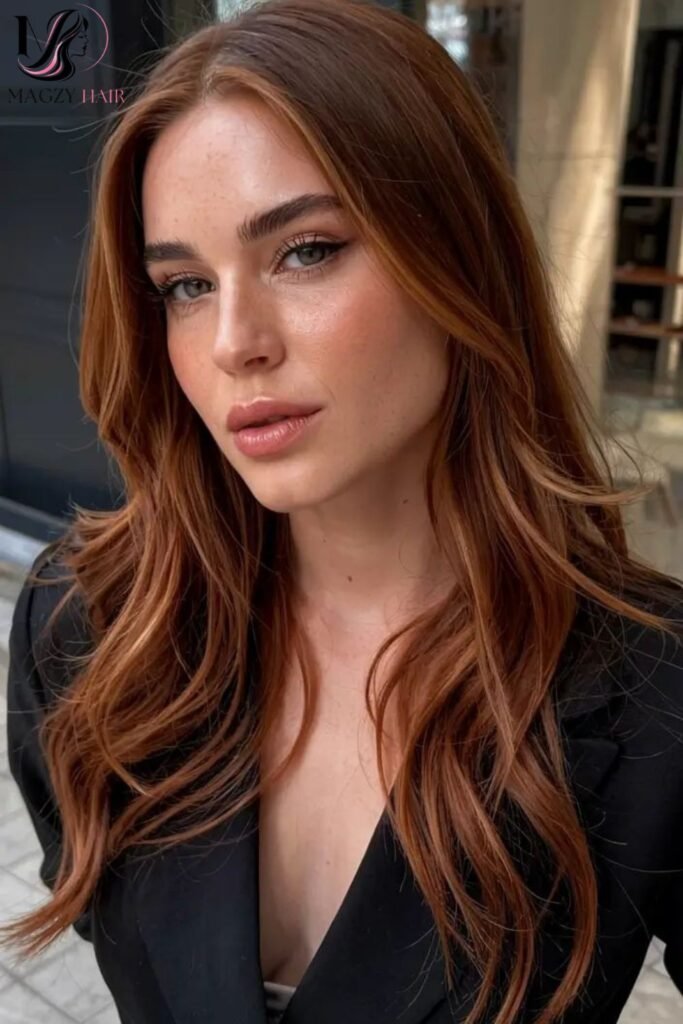
Auburn sits right between brown and red, and that in between quality is exactly what makes it such a versatile fall hair color. It’s warm enough to feel seasonal but subtle enough to wear in a corporate office without turning heads for the wrong reasons. Auburn tends to look richest on people with olive or warm undertones, though a colorist can adjust the red to brown ratio to suit cooler complexions too.
A detail most people miss about this fall hair color is that it reads differently depending on lighting. Under indoor fluorescent light it can look almost brown, while natural daylight brings out its red undertones which is actually a benefit, not a flaw. This shifting quality gives auburn hair a natural depth that flat, single process colors simply can’t replicate, making it look more expensive even at a moderate price point.
A mini scenario worth considering: someone new to red tones often assumes any red based fall hair color requires the same intense maintenance. Auburn is actually a gentler entry point than a full copper or cherry red, since it has significant brown in its base. This means it grows out more gracefully and doesn’t demand the same aggressive fade prevention routine that brighter reds do, making it a genuinely low maintenance way to dip a toe into warm fall tones.
Deep Burgundy Wine Red Hair Color
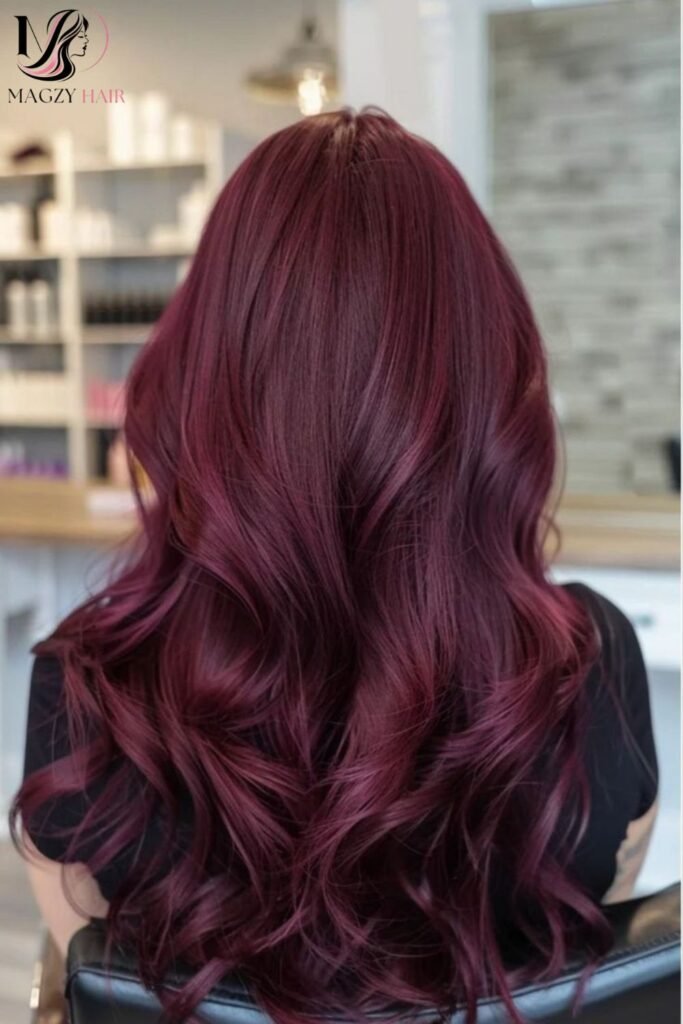
Deep burgundy, often called wine red, is the bold fall hair color choice the equivalent of trading a light sweater for a heavy wool coat. It carries hints of purple and deep red that look particularly stunning on dark brown or black hair, where it creates a subtle glow in the sun while still appearing nearly black indoors. This dual tone effect is part of what makes burgundy feel so luxurious and dimensional as a fall hair color.
Burgundy is technically a “color on color” process for most people, meaning it’s applied as a deposit only tone rather than requiring bleach first. This is genuinely good news: it means less damage to the hair compared to lightening services, and this fall hair color can often be achieved in a single salon visit. However, on very dark hair, results may be subtle at first and become more visible with repeated glossing sessions.
A practical example: someone with naturally black hair expecting an instantly dramatic burgundy transformation might feel disappointed after just one visit, not realizing the color deepens gradually with each subsequent gloss. Setting this expectation with your stylist beforehand treating burgundy as a build up process rather than a single dramatic reveal leads to a far more satisfying long term result.
Because burgundy contains red and violet pigment, it fades through orange and pink tones over time, similar to other red based fall hair color options. Using a purple or blue toned shampoo occasionally, formulated specifically for brunettes rather than blondes, can help neutralize unwanted warmth and extend the rich, wine like depth for several extra weeks.
Chestnut Brown Hair Color
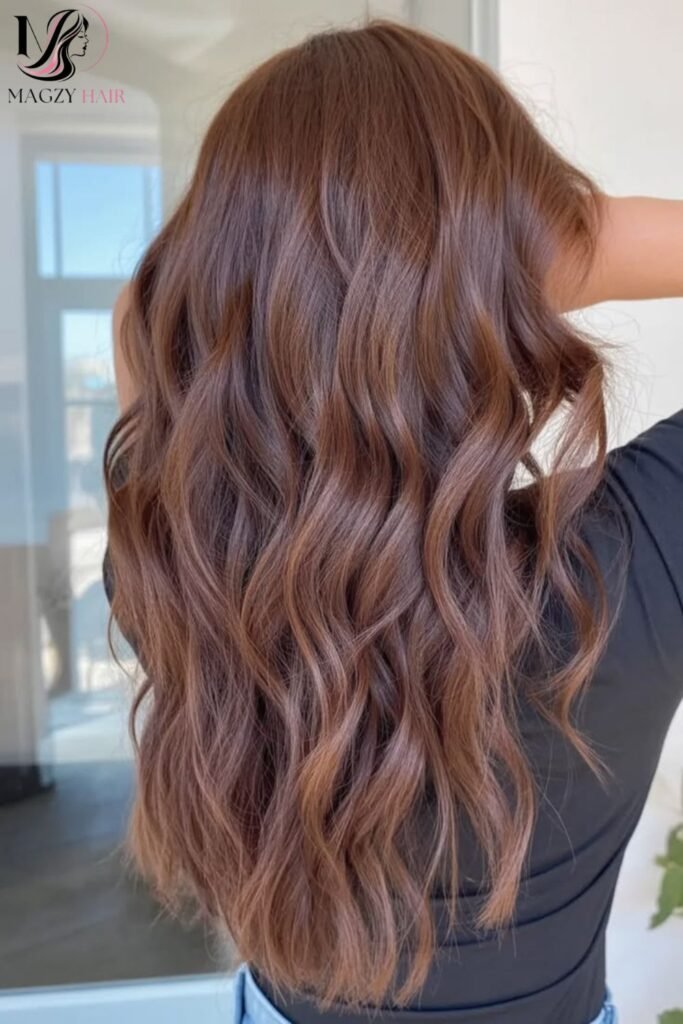
Chestnut brown is a warm, reddish brown fall hair color that sits comfortably between auburn and chocolate brown, making it one of the most naturally flattering options available this season. It has enough warmth to feel seasonal without veering into obvious “red hair” territory, which makes it a favorite for people who want a change but not a dramatic one. Chestnut also photographs beautifully, picking up golden undertones in warm lighting.
A key insight often missed in generic fall hair color guides: chestnut brown is one of the easiest colors to customize based on your existing hair. If your natural color already leans warm, a colorist can often achieve chestnut with a simple gloss treatment rather than a full dye job. If your hair is naturally ashy or cool toned, slightly more color correction is needed first to neutralize those undertones before the warm chestnut can show through properly.
A helpful example: someone with naturally ashy brown hair who requests chestnut without mentioning their cool undertone may end up with a muddier, less vibrant result than expected. Flagging this detail during the consultation allows the colorist to pre treat the hair with a warming base, ensuring the final chestnut fall hair color looks as rich and intentional as the reference photo.
This shade also pairs exceptionally well with subtle balayage. Adding soft, sun kissed pieces throughout chestnut brown keeps it from looking flat under artificial lighting, especially during the darker months of late fall and winter when natural sunlight is limited. It’s a fall hair color that genuinely rewards a little added dimension.
Honey Blonde Balayage hair Color
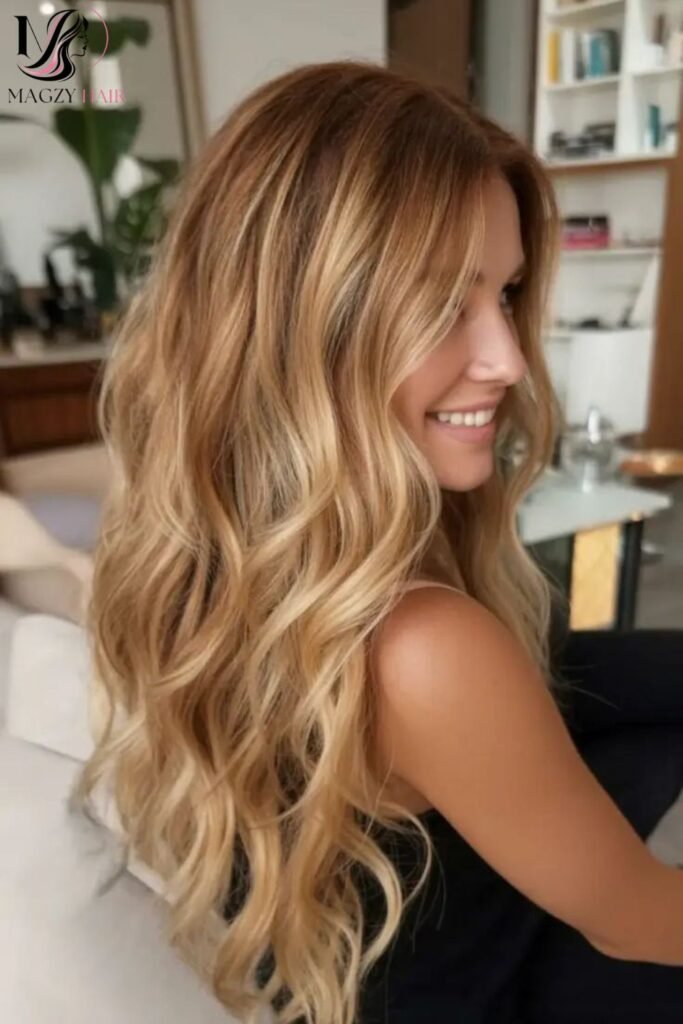
Honey blonde balayage takes the brightness of summer blonde and warms it up for fall, swapping cool, icy tones for golden, amber rich highlights. The hand painted balayage technique creates a soft, gradual transition from roots to ends, meaning noticeably less upkeep than traditional foiled blonde. This makes it an especially appealing fall hair color for people juggling busy autumn schedules school pickups, holiday planning, and work deadlines don’t leave much room for monthly salon visits.
The biggest mistake people make with this fall hair color is keeping their summer toning routine unchanged. Purple shampoos designed to cancel out brassiness will actually mute the warm, honeyed tone that makes this color work for fall. Instead, colorists recommend switching to a gold or amber toned toning product, or simply reducing purple shampoo use to once every couple of weeks during the colder months.
A mini scenario: someone who continues using purple shampoo twice a week straight through autumn often notices their honey blonde looking dull or slightly gray tinted by November, without understanding why. Simply adjusting the toning product to match the season’s warmer intention solves this issue almost immediately, restoring the golden richness the color was meant to have.
Honey blonde balayage flatters a wide range of base colors, from light brown to dark blonde, and works on most skin tones because the warmth can be adjusted lighter or deeper depending on your complexion. It’s a genuinely adaptable fall hair color, which is exactly why it remains one of the most searched autumn trends year after year.
Pumpkin Spice Orange Hair Color
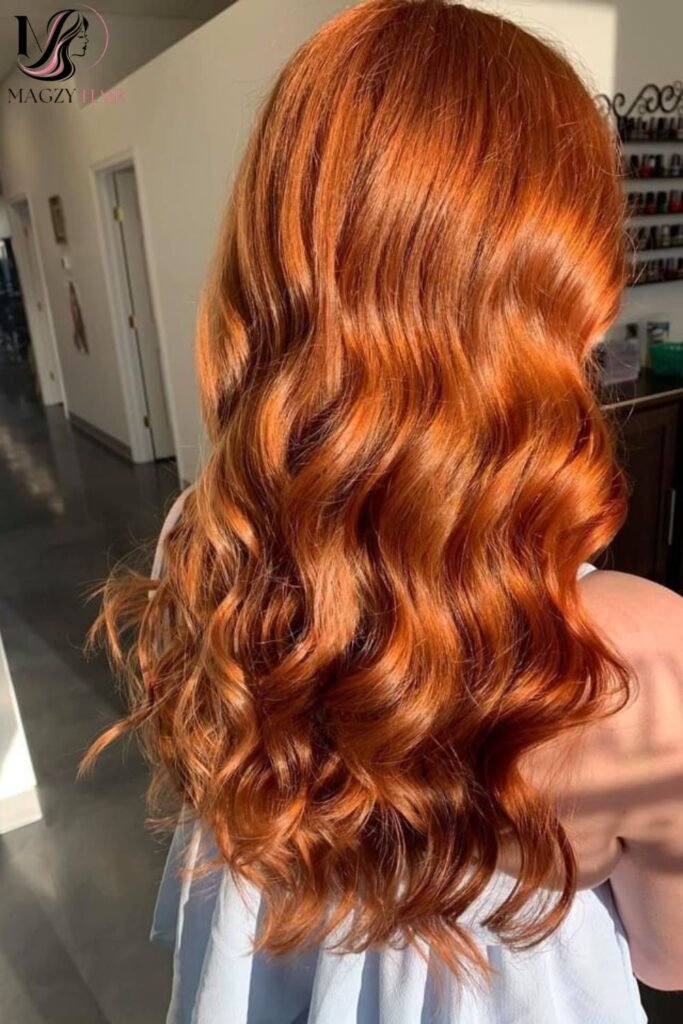
Pumpkin spice orange is for anyone who wants their fall hair color to make an unmistakable seasonal statement. This vibrant, warm orange shade leans brighter and bolder than copper, sitting closer to the actual color of a pumpkin than a subtle autumn leaf. It’s a striking option that works best for those who already enjoy standing out with bold color choices rather than a first-time hair color change.
Because this fall hair color requires significant lightening on most natural hair colors, it’s one of the higher commitment options on this list. Achieving true pumpkin orange usually means a multi session bleaching process, especially on dark brown or black hair, followed by a vivid semi permanent or demi permanent color deposit. Skipping steps or rushing the lightening process is the most common cause of uneven, patchy orange results.
A practical example: someone attempting to go from black hair to pumpkin orange in a single salon visit often ends up with a brassy, uneven yellow-orange instead of the vivid, saturated shade they wanted. Spacing the lightening process across two or three sessions, with bond building treatments in between, protects hair health and produces a far more accurate, vibrant final color.
If you love the idea but aren’t ready for the full commitment, consider pumpkin spice as money piece highlights around the face instead of an all over fall hair color. This delivers the bold seasonal statement in a smaller, more manageable dose, and it’s far easier to grow out or change your mind about later in the season.
Espresso Brown Hair Color
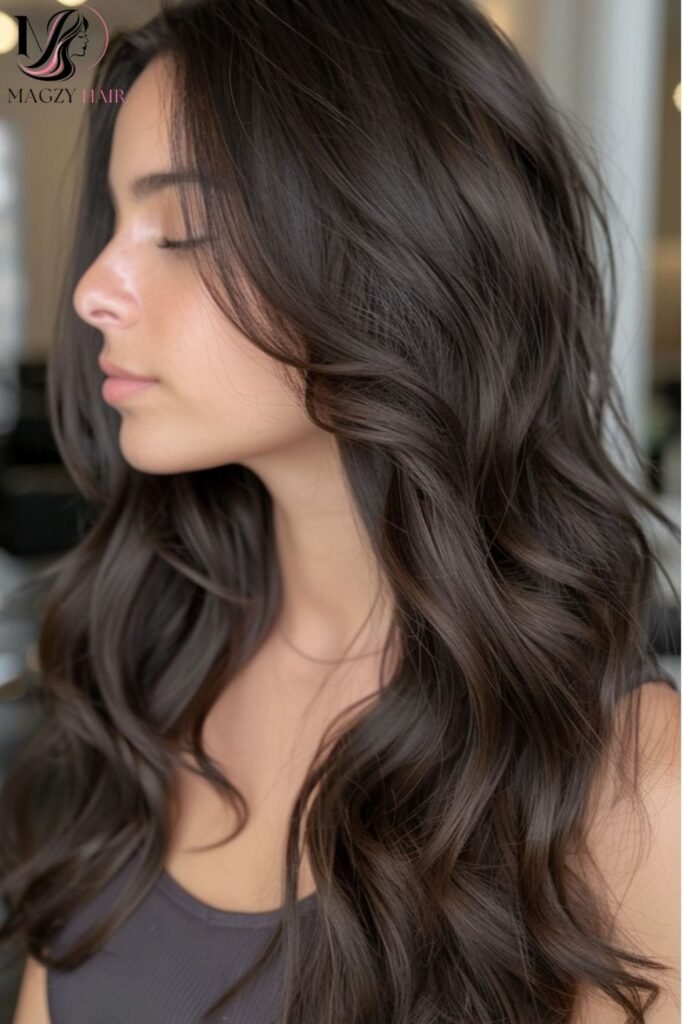
Espresso brown is a near-black, deeply saturated fall hair color that reads as sophisticated and moody perfect for the shorter, darker days of the season. It’s slightly softer than jet black, which means it tends to be more flattering for a wider range of skin tones, since pure black can sometimes create harsh contrast against fair or light complexions. Espresso strikes that balance between drama and wearability.
One underrated advantage of this fall hair color is how well it disguises regrowth. Because the color is so deep and close to many people’s natural darker roots, the grow out line is far less noticeable than it would be with a lighter brown or blonde shade. This makes espresso an excellent choice for anyone who wants a dramatic looking color without frequent root touch ups every four to six weeks.
A helpful example: someone with a naturally busy schedule who still wants a rich, dramatic fall hair color often finds espresso brown solves both needs at once it looks intentional and deep from day one, yet requires far less frequent salon maintenance than lighter alternatives. This combination of visual impact and low upkeep is exactly why espresso remains a favorite among stylists for practical, real life clients.
Espresso brown also acts as a fantastic base for adding subtle warmth later in the season. Because the color is so deep, even small amounts of copper or caramel gloss layered on top create a noticeable, dimensional effect giving you the flexibility to adjust your look as fall progresses into winter without starting over from scratch.
Cinnamon Brown Hair Color
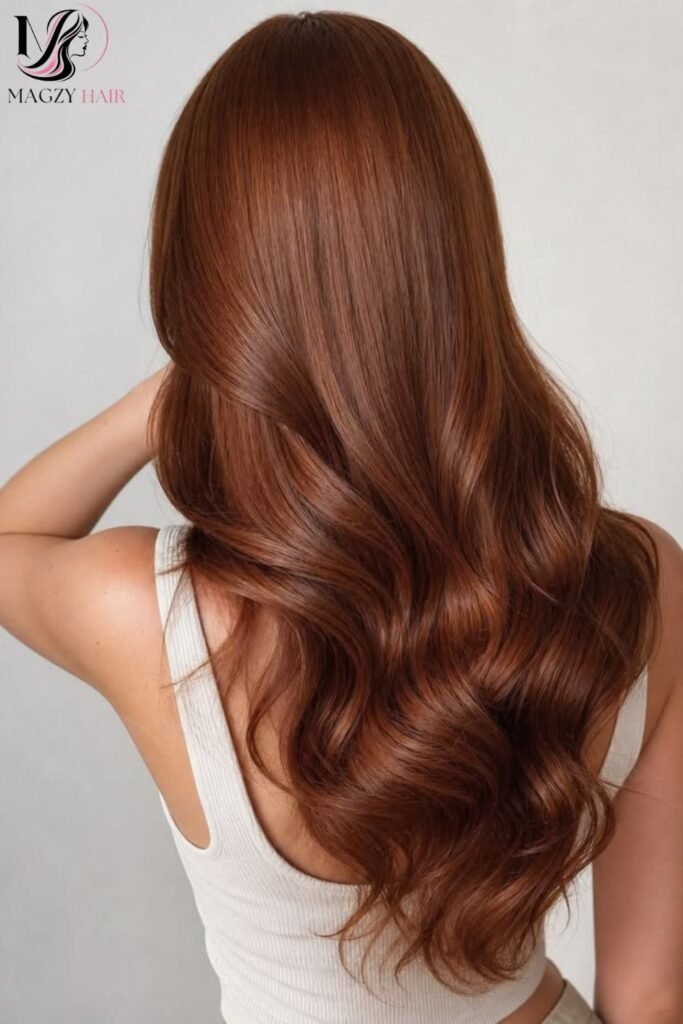
Cinnamon brown blends warm red-orange pigment into a brown base, landing somewhere between chestnut and copper on the fall hair color spectrum. It’s named aptly the shade genuinely resembles the spice, with a reddish-brown warmth that feels cozy rather than bold. This makes it one of the more approachable warm fall hair color options for people who want seasonal color without anything too attention grabbing.
Cinnamon brown tends to work exceptionally well on medium skin tones with warm or neutral undertones, where it enhances natural warmth in the complexion rather than competing with it. On cooler skin tones, colorists often suggest slightly muting the red pigment to prevent the color from looking too orange under certain lighting, particularly the yellow-toned lighting common in most home bathrooms.
A mini scenario: someone who loves how their cinnamon fall hair color looks at the salon under warm, flattering lighting might feel surprised when it reads more orange under their bathroom’s fluorescent bulbs at home. This is a normal, predictable effect rather than a flawed color job, and mentioning your typical home lighting to your colorist in advance can help them fine tune the warmth level accordingly.
An insight worth knowing: cinnamon brown oxidizes and shifts color faster than true neutral brown shades because of its red-orange pigment content. Washing hair in cooler water temperatures, rather than hot water, and spacing out wash days can meaningfully slow this fading process, keeping the cinnamon fall hair color looking fresh for several extra weeks between salon visits.
Rich Mahogany Hair Color
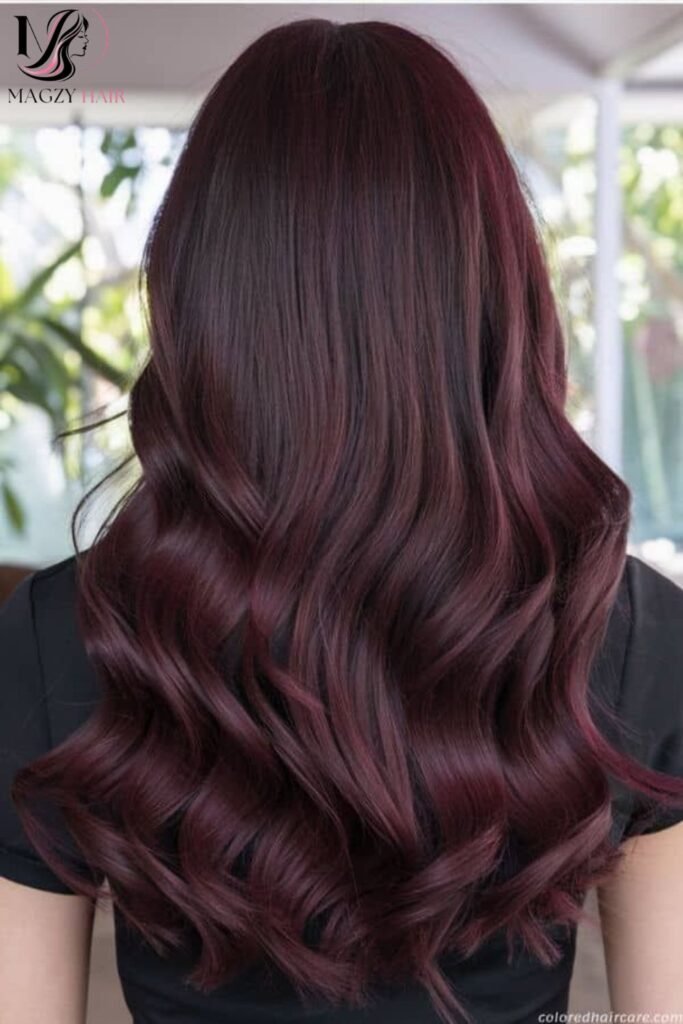
Rich mahogany combines deep brown with strong red-purple undertones, creating a fall hair color reminiscent of polished dark wood furniture hence the name. It’s a more intense, saturated option compared to auburn or chestnut, making it an ideal choice for anyone who wants their look to feel rich and dramatic rather than soft and subtle. Mahogany looks particularly striking under warm indoor lighting, which suits the cozy, dim lit aesthetic of fall and winter evenings.
This fall hair color performs best as a gloss or demi permanent treatment over naturally dark brown hair, since the technique deposits color without requiring lightening first. That means less potential damage and a faster, often single visit process. On lighter starting hair colors, mahogany can still be achieved, but the red-purple pigment may need to be reapplied more frequently to maintain its full intensity and depth.
A detail most guides overlook: mahogany can shift toward looking almost purple in certain lighting conditions, particularly under blue-toned LED lights. If you’re set on keeping the red-brown balance visible rather than a purple cast, ask your colorist to lean the formula slightly warmer with more red-orange pigment rather than pure violet-red a small adjustment that makes a noticeable difference in everyday lighting.
A practical example: someone who chooses mahogany specifically for its rich brown-red balance may feel confused if the color looks unexpectedly purple in office lighting. Understanding this lighting effect ahead of time, and communicating a preference for warmth over violet, helps ensure the final fall hair color matches the vision discussed in the consultation.
Butterscotch Blonde Hair Color
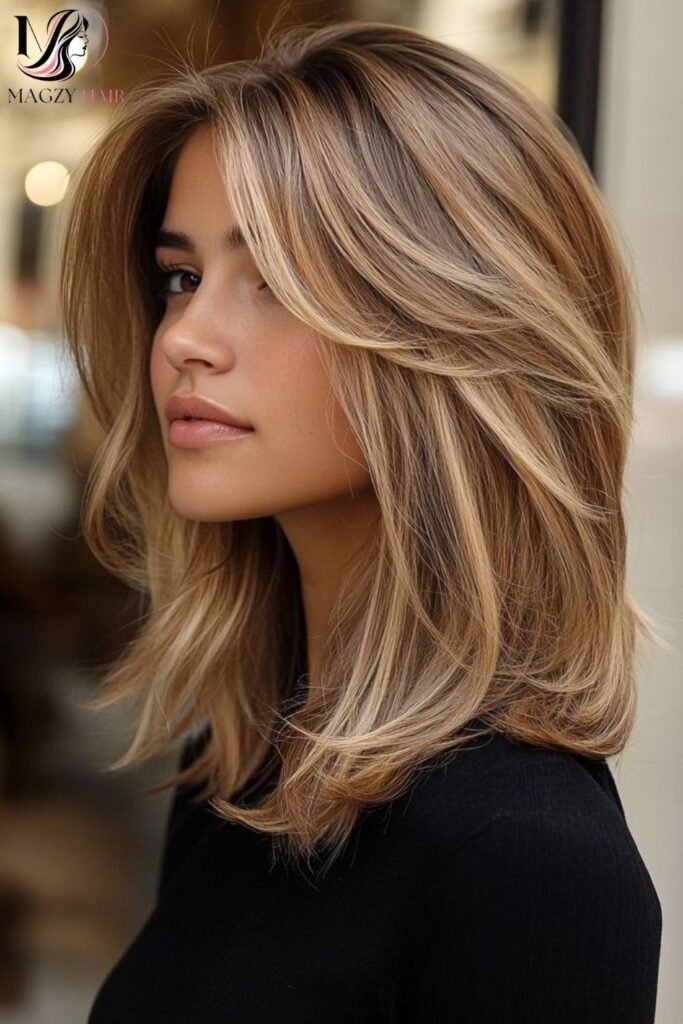
Butterscotch blonde takes traditional blonde hair and deepens it with rich caramel and golden brown undertones, creating a fall hair color that feels distinctly autumnal rather than beachy. It’s a smart transitional choice for people moving away from summer’s lighter, cooler blonde tones without wanting to go fully brunette for the season. The result is warm, buttery, and noticeably more dimensional than a flat, single tone blonde.
This shade is particularly well suited to a balayage or babylights technique rather than traditional foiling, since the goal is soft, blended dimension rather than stark contrast between light and dark sections. Colorists often layer butterscotch tones close to the root and gradually deepen the color, creating a rounder, more natural-looking result that photographs beautifully in both natural and indoor lighting.
A helpful example: someone transitioning from a cool platinum blonde into this warmer fall hair color sometimes worries the change will look drastic or uneven. In practice, colorists typically blend the transition over two to three sessions, gradually warming the base and adding butterscotch dimension rather than attempting a full transformation in one visit, which keeps the hair healthier and the result far more natural looking.
Because butterscotch sits in warmer territory, it requires different aftercare than typical ashy or platinum blonde. Toning products designed to reduce brassiness will work against this fall hair color, so it’s best paired with a bond building, moisture focused hair care routine instead one that preserves the natural warmth rather than trying to cancel it out.
Plum Dark Violet Hair Color
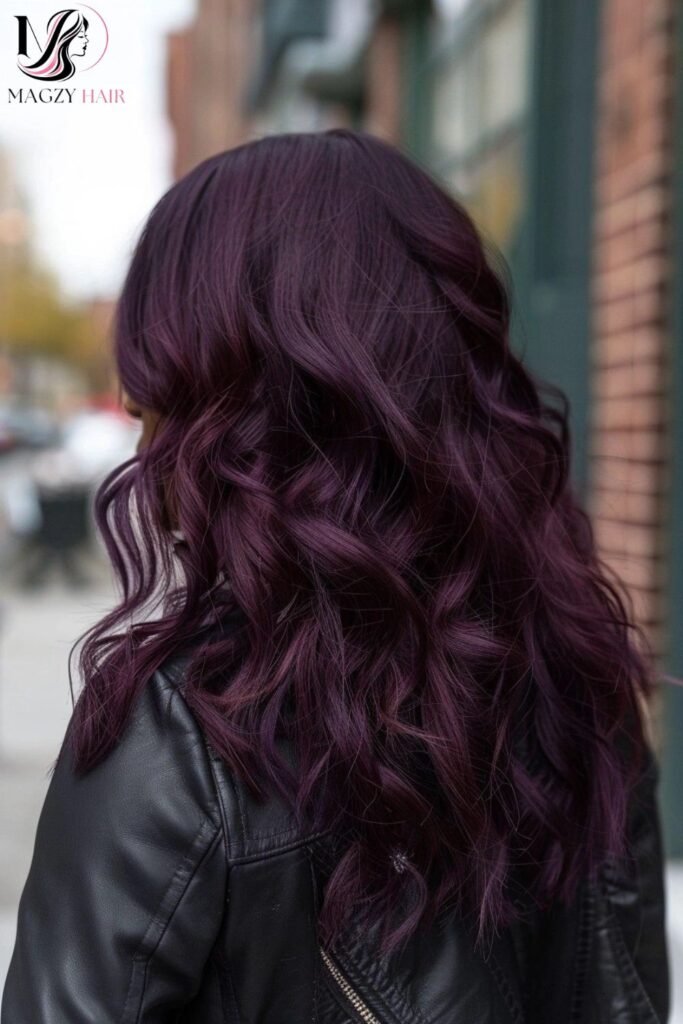
Plum, or dark violet, is one of the more unexpected but increasingly popular fall hair color choices, offering a cool contrast to the season’s typically warm palette. It’s a deep, muted purple-brown that reads as nearly black in low light but reveals rich violet undertones in the sun similar in spirit to burgundy, but distinctly cooler and edgier. This shade appeals to people who want a fall hair color that doesn’t follow the usual orange and brown script.
As a fall hair color, plum tends to flatter cool and neutral undertones especially well, complementing pink or rosy skin tones in a way that warm colors sometimes clash with. Like burgundy, it’s typically achieved as a deposit only gloss on dark hair, meaning minimal damage and often a single session process, though achieving a more vivid plum on lighter hair may require some pre lightening.
A practical scenario: someone with warm, golden undertones who requests plum without discussing skin tone with their colorist might find the color reads slightly muddy or dull against their complexion. A colorist can often adjust the formula, leaning it either more red or more true violet, to better complement warmer skin a small customization that makes a meaningful visual difference.
Fading is the main consideration with this fall hair color: violet pigment molecules are notoriously difficult to keep vibrant, and they tend to fade toward a dull brown rather than holding their cool tone. Regular gloss refreshes every four to six weeks, paired with cool water washing, will significantly extend how long the vivid plum effect lasts.
Toffee Brown Hair Color
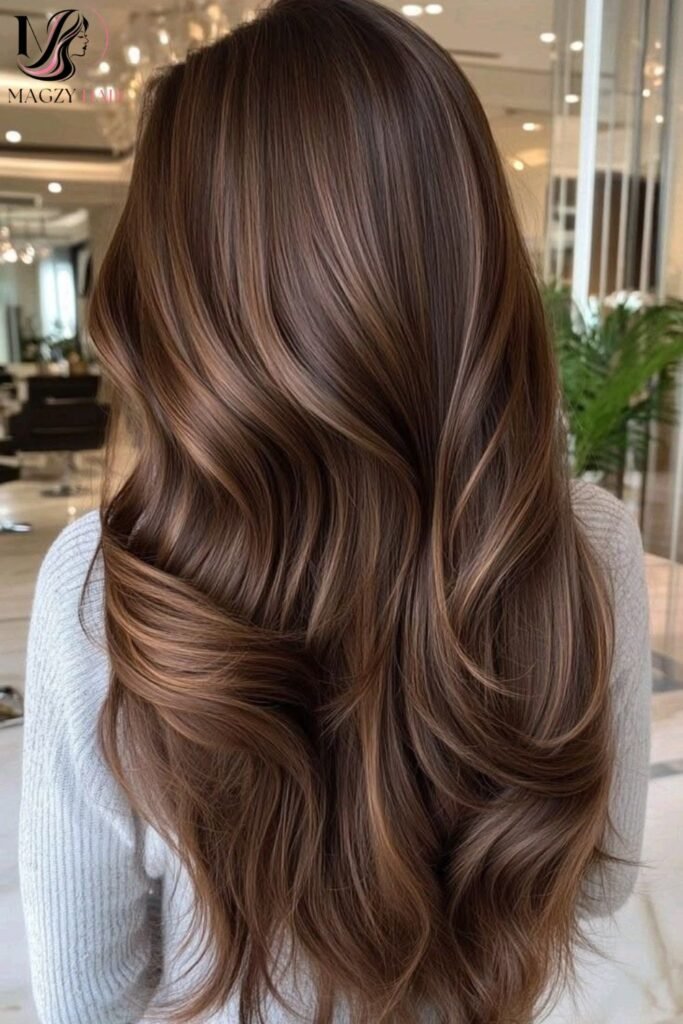
Toffee brown is a soft, warm, medium-brown fall hair color with golden undertones that make it feel effortlessly sun kissed, even without direct sunlight. It’s less intense than caramel and less red than chestnut, sitting in a comfortable middle ground that suits nearly any skin tone and works equally well for long hair, short hair, straight styles, or curls. This universal wearability is exactly why toffee brown remains a consistent favorite fall hair color each season.
What makes toffee brown especially practical is how naturally it blends with most people’s existing base color. Many clients can achieve this shade with just a gloss treatment or a few strategically placed highlights, rather than a full color service a genuine time and cost saver during a season when hair budgets often compete with holiday spending.
A helpful example: someone with a busy fall schedule who still wants a refreshed fall hair color often finds toffee brown ideal, since a single gloss appointment can noticeably warm up existing brown hair without the multi hour commitment a full color transformation would require. This makes it a popular choice for anyone balancing style goals against limited time.
Toffee brown also ages gracefully as it fades. Unlike bold reds or vivid blondes that can fade unevenly or look patchy after a few weeks, toffee brown tends to fade into a slightly lighter, still flattering brown. This makes it one of the lowest stress fall hair color options to maintain if you don’t want to think about frequent touch ups.
Rust Orange Hair Color
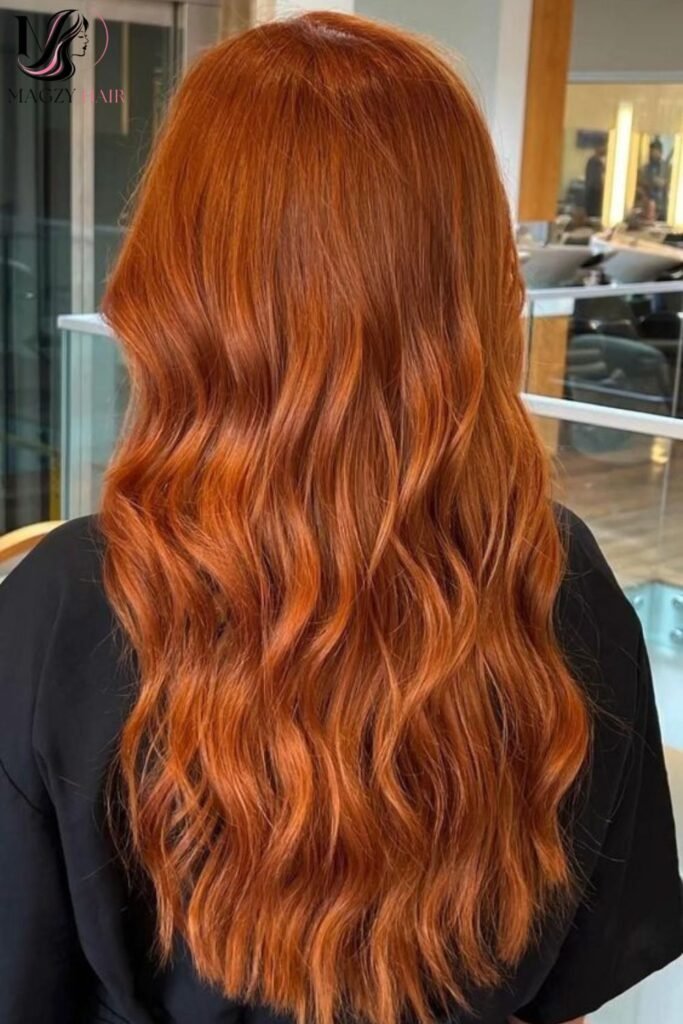
Rust orange is a muted, earthy fall hair color less vivid than pumpkin spice, but bolder and warmer than copper. It captures the exact tone of rust on metal or fallen oak leaves, giving it an organic, autumnal quality that feels intentional rather than costume like. This makes rust a good middle-ground choice for people who want an orange adjacent fall hair color that still reads as sophisticated.
Rust tends to develop the most richness on hair that has been pre lightened to a golden or light brown base, since the muted orange pigment needs some underlying warmth to show its full depth. On darker hair, rust can be achieved with less lightening, but the result will appear more subtle and may only become fully visible in direct sunlight rather than indoor lighting.
A mini scenario worth noting: someone with naturally dark hair who chooses rust as their fall hair color, expecting the same vivid intensity seen on pre lightened hair, may feel let down by a more subtle result. Setting realistic expectations based on your starting hair color and understanding that rust simply reads differently on dark versus light bases prevents this common disappointment.
An often missed maintenance tip: rust tones benefit from an occasional warm-toned hair mask rather than standard color depositing conditioner, since masks penetrate more deeply and redistribute pigment more evenly across strands. This helps prevent the faded, patchy look that can occur when this fall hair color wears away unevenly, particularly at the ends where hair is oldest and most porous.
How to Choose the Right Fall Hair Color for You
Choosing among these 15 fall hair color ideas comes down to three practical factors: your skin undertone, your maintenance tolerance, and how much lightening your current hair color requires. Warm undertones generally pair beautifully with copper, auburn, cinnamon, and rust, while cooler undertones often look best in plum, espresso, or muted brunette tones. If you’re unsure of your undertone, checking the veins on your wrist in natural light is a simple starting point greenish veins usually indicate warm undertones, while bluish veins suggest cool ones.
Maintenance matters just as much as the color itself. Deposit only shades like burgundy, mahogany, and plum are lower commitment and gentler on hair health, while vivid tones like pumpkin spice orange typically require lightening and more frequent upkeep. Being honest about how often you can realistically get to a salon this season will save you both money and disappointment down the line.
A helpful example: someone drawn to a bold, high maintenance fall hair color like pumpkin orange but with a packed autumn schedule may actually be happier long term with a similarly warm but lower upkeep option like cinnamon brown or toffee brown. Matching the color to your real lifestyle, not just your Pinterest board, is what makes a fall hair color choice feel successful months later rather than just on day one.
Finally, always bring reference photos to your colorist and discuss your hair’s current condition and history, including any previous chemical treatments. A good colorist will adjust these fall hair color trends to suit your unique hair type, ensuring the shade you choose looks as good in week six as it did on day one.
Conclusion
Fall hair color ideas give you the perfect chance to refresh your look with warm, rich, and seasonally inspired shades. From bold pumpkin spice orange to low maintenance toffee brown, there’s a fall hair color option here for every skin tone and lifestyle. The best results come from choosing a shade that fits your undertone and upkeep comfort level. Ready for a change? Book a consultation with your colorist and bring this guide along to find your perfect fall hair color this season.
Ayesha Noor is the founder and lead writer behind Magzy Hair. With 4 years of experience researching hairstyles, hair care, and beauty trends, she enjoys helping readers discover styles that suit their unique personality and lifestyle.


