Fall Hair Colors for Blondes: The Complete Guide to Warming Up Your Shade

Fall hair colors for blondes solve a specific seasonal problem: bright, cool summer blonde can start to feel visually out of place once the leaves change and the light turns golden. Rather than abandoning blonde altogether, the smartest fall approach usually involves warming, deepening, or adding dimension to the shade you already have, keeping the ease of blonde while making it feel seasonally appropriate.
This guide goes beyond a simple list of shade names. It explains how blonde hair specifically should be adjusted for fall based on your current tone, hair health, and skin undertone, plus details most articles skip like why blondes need a different toning strategy than brunettes when transitioning seasonally, and how to avoid the brassy shift that often happens when warming up a cool blonde. Whether you’re doing a subtle refresh or a bigger seasonal change, this is the deeper, more practical guide to fall hair colors for blondes.
Why Blondes Need a Different Approach to Fall Hair Color
Fall hair colors for blondes require more careful planning than for other hair colors, largely because blonde hair is already lightened and more porous, meaning it reacts differently to seasonal toning and glossing than natural, unlightened hair. This porosity can cause warm tones to develop unevenly or shift toward brassiness more quickly than intended, especially if the transition isn’t planned with the hair’s current condition in mind.
Blonde hair also tends to already carry underlying warm or cool tones depending on how it was previously colored, which significantly affects how a fall appropriate warming treatment will look once applied. A blonde with cooler, ashier undertones will respond very differently to a caramel gloss than a blonde with naturally warmer, golden undertones, making a one size fits all seasonal formula far less reliable for this hair color specifically.
A helpful example: someone with icy, platinum toned summer blonde who requests a generic “fall gloss” without discussing their specific undertone might end up with a result that looks slightly muddy or uneven, rather than the rich, warm effect they were hoping for. Communicating your exact starting tone helps a colorist formulate fall hair colors for blondes that build appropriately rather than clashing with the existing base.
Because blonde hair is more delicate from previous lightening, fall color adjustments for this hair type also benefit from bond building treatments, even for something as seemingly simple as a toning gloss. This extra step helps protect hair integrity while achieving the deeper, warmer look fall color trends typically call for.
Read More: https://magzyhair.com/fall-hair-color-ideas/
Honey Blonde: The Most Natural Fall Transition
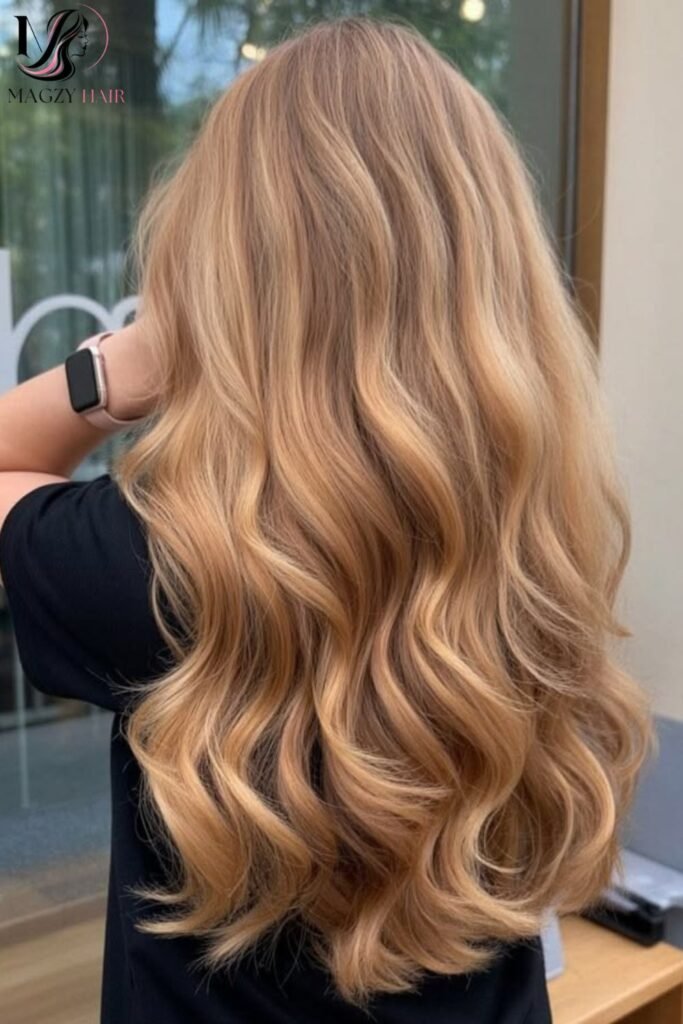
Honey blonde stands out as one of the most popular fall hair colors for blondes specifically because it offers meaningful warmth without requiring a dramatic departure from an existing blonde base. This shade blends golden and amber undertones, creating a rich, sun kissed effect that feels seasonally appropriate while still reading as recognizably blonde rather than shifting into brunette territory.
This transition works particularly well for those with existing beige or neutral blonde hair, since honey tones can typically be added through a glossing treatment rather than requiring an entirely new color formula. This makes honey blonde one of the lower commitment options for blondes wanting to participate in fall’s warmer color trends without extensive salon time or expense.
A helpful example: someone with cool, ashy blonde highlights from summer might add a honey toned gloss specifically to warm the overall look for fall, while keeping the same fundamental highlight placement and blonde base underneath. This approach achieves a seasonally appropriate shift using the existing color as a foundation, rather than starting over with an entirely new formula.
Maintenance for honey blonde as a fall shade is relatively manageable, generally requiring toning treatments every 4–6 weeks to maintain warmth and prevent the color from fading back toward a cooler, flatter tone. This moderate upkeep schedule makes honey blonde an accessible, practical choice among fall hair colors for blondes.
Caramel Blonde: Rich Depth for Cooler Months
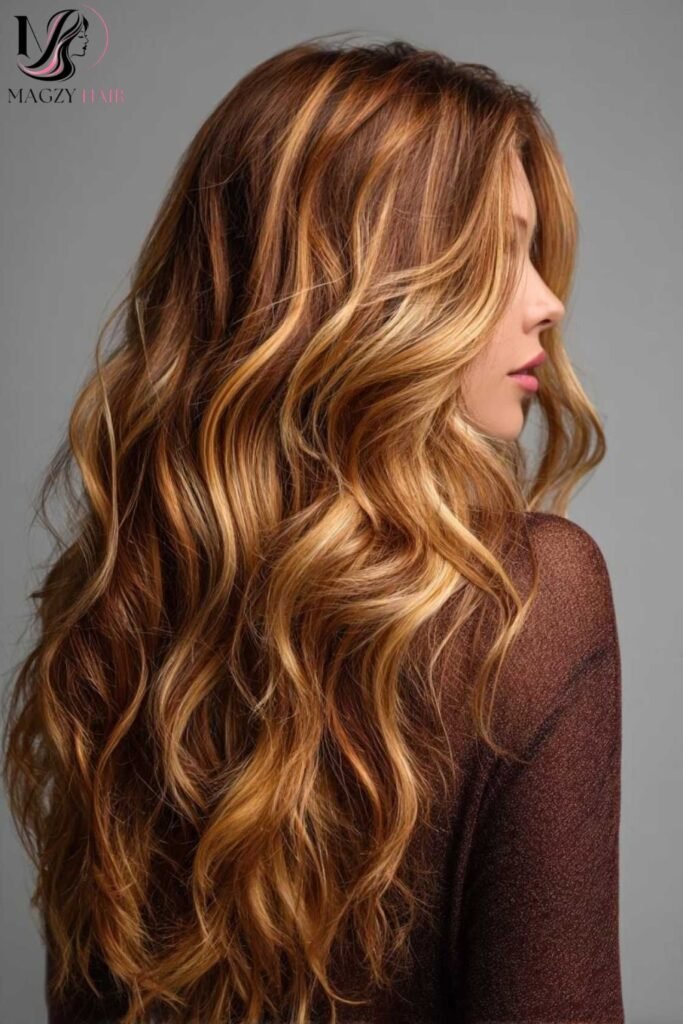
Caramel blonde takes the warming concept further than honey blonde, introducing deeper, richer undertones that read as noticeably more autumnal while still maintaining an overall blonde foundation. This shade works particularly well for blondes wanting a more significant seasonal shift without fully transitioning into brunette territory, striking a balance between subtlety and genuine seasonal impact.
Achieving caramel blonde typically involves adding deeper lowlights throughout existing blonde hair, rather than lightening further, since the goal is to introduce richness and depth rather than additional brightness. This technique tends to work especially well on blondes with some natural dimension already in their hair, since the caramel lowlights can blend seamlessly with existing tonal variation.
A helpful example: someone with all over, single process blonde hair might find that adding caramel lowlights specifically through the mid lengths and ends creates a more dimensional, fall appropriate look, rather than simply darkening the entire head uniformly. This targeted approach tends to produce a more natural, multidimensional result than an all over color shift would achieve.
Maintenance for caramel blonde generally involves touch ups every 8–10 weeks, since the lowlights don’t require the same frequent root maintenance that all over lightening does. This relatively low maintenance quality makes caramel blonde a practical, popular choice among fall hair colors for blondes specifically.
Bronde: The Blended Blonde Brunette Trend
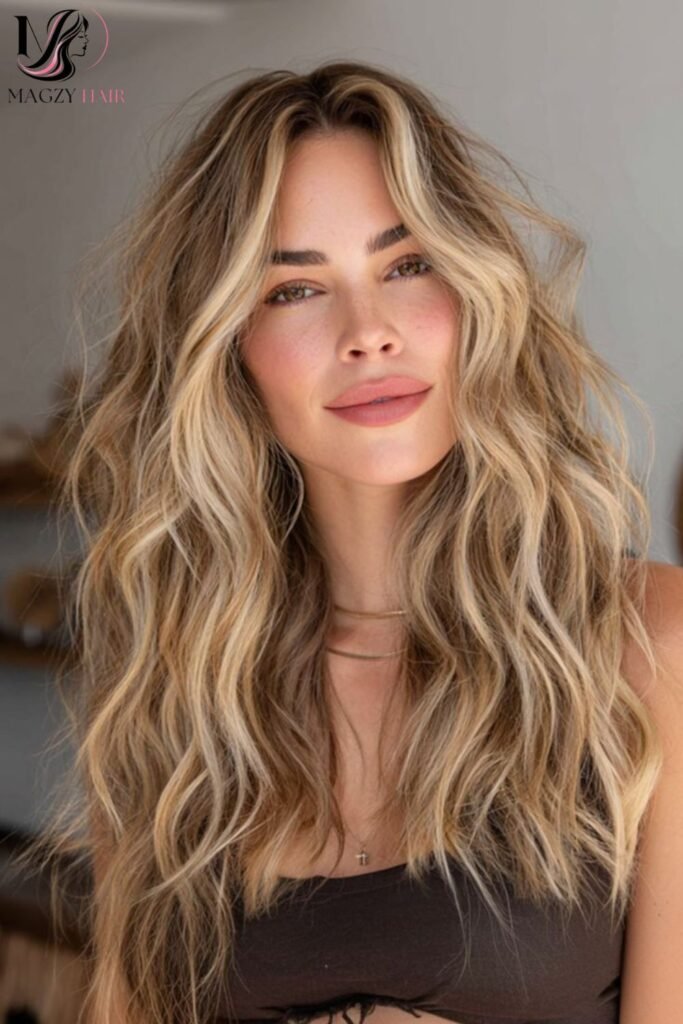
Bronde, a blended combination of blonde and brunette tones, has become an increasingly popular option within fall hair colors for blondes, offering a way to deepen an overall look without abandoning blonde entirely. This technique typically combines warm brunette lowlights with existing blonde highlights, creating a rich, multidimensional effect that feels distinctly autumnal.
This approach works particularly well for blondes wanting to ease into darker fall tones gradually, rather than committing to a full brunette transformation right away. Bronde allows for experimentation with deeper, warmer color while still retaining enough blonde to feel familiar and reversible if the person later decides to return to a lighter, more traditional blonde look.
A helpful example: someone hesitant about fully committing to brunette for fall might request bronde specifically as a way to “test” a darker look, since the blended nature of this technique makes it considerably easier to lighten back up later compared to a full, uniform color change. This flexibility is a significant reason bronde has grown so popular as a seasonal transition option.
Maintenance for bronde typically falls between all over blonde and full brunette schedules, generally requiring touch ups every 8–12 weeks depending on how much blonde versus brunette is present in the final blend. This moderate maintenance schedule makes bronde an appealing middle ground choice for fall.
Butterscotch Blonde: A Warm, Golden Statement
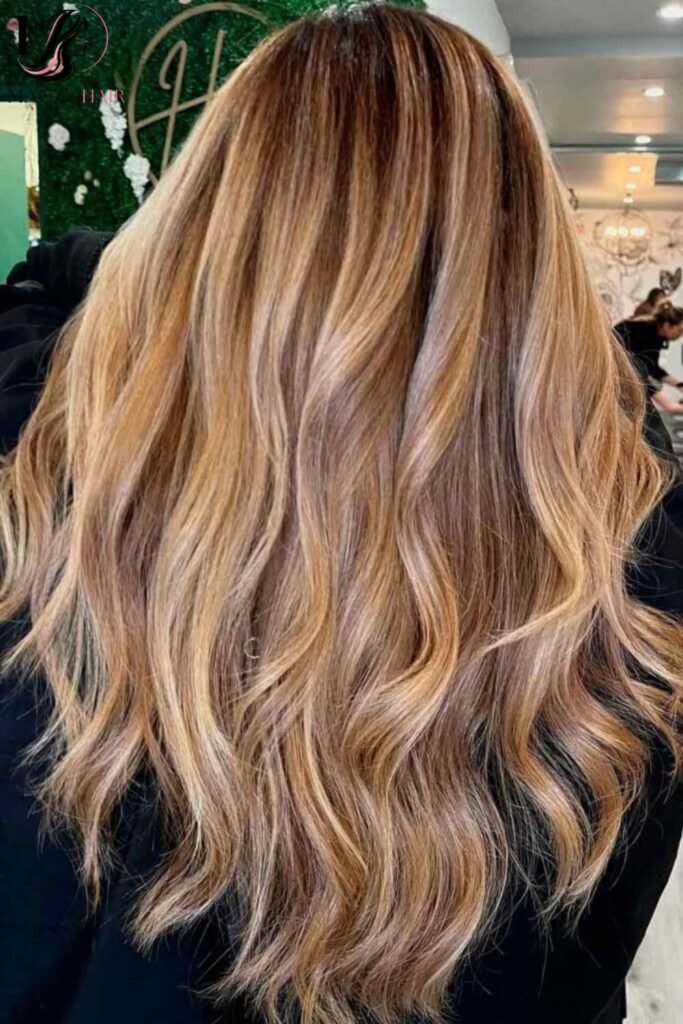
Butterscotch blonde delivers a rich, golden amber tone that sits between honey and caramel, offering one of the more distinctive options within fall hair colors for blondes specifically. This shade tends to work particularly well for those wanting their blonde to feel noticeably warmer and richer for the season without shifting too far from a recognizably blonde overall appearance.
This color pairs especially well with fall’s warmer natural light, since the golden undertones become particularly prominent and flattering under autumn’s softer, more amber toned daylight. Many colorists specifically note that butterscotch tones that might look overly warm or yellow leaning under bright summer sun often feel perfectly balanced and rich during fall months.
A helpful example: someone with a neutral or slightly ashy blonde base might find that a butterscotch gloss specifically transforms their look into something noticeably warmer and more seasonally fitting, without requiring additional lightening or a completely new highlight pattern. This gloss based approach makes butterscotch blonde one of the more accessible, lower commitment fall shades for existing blondes.
Maintenance for butterscotch blonde requires attention similar to honey blonde, generally needing toning treatments every 4–6 weeks to maintain its rich, golden warmth and prevent the color from fading toward a duller, more neutral tone as the weeks pass.
Dark Blonde With Warm Lowlights: Understated Fall Depth
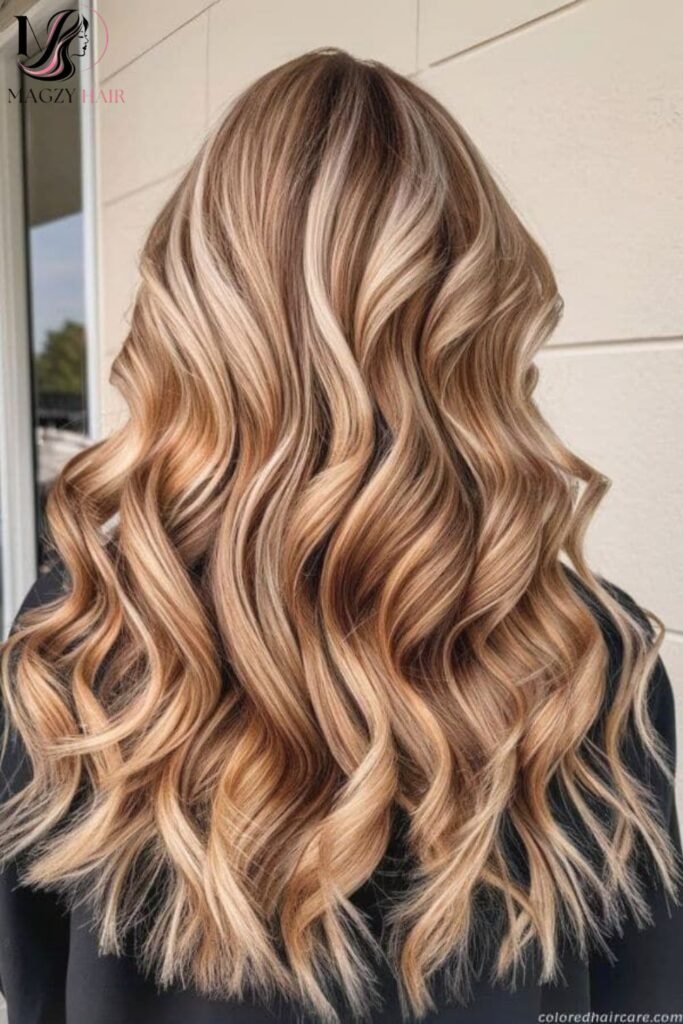
Dark blonde with warm lowlights offers a more subtle option among fall hair colors for blondes, ideal for those wanting a seasonal shift without a dramatic or highly noticeable change. This approach adds richness and depth through strategic lowlight placement while maintaining an overall blonde classification, appealing to those in more conservative professional or personal settings.
This technique works particularly well for blondes with naturally darker roots or a dark blonde base, since the lowlights can blend seamlessly with existing natural regrowth, reducing the visual contrast between root and length that some more dramatic color changes create. This makes dark blonde with lowlights a practical, low maintenance option for those who don’t want frequent root touch ups.
A helpful example: someone with naturally dark blonde hair and lighter, previously highlighted ends might add subtle caramel or chestnut lowlights specifically through the mid lengths, creating a richer, more dimensional fall look while barely affecting root maintenance schedules at all. This targeted, subtle approach suits those wanting understated seasonal change.
Maintenance for this approach is comparatively low, often extending to 10–12 weeks between touch ups, since the lowlights blend naturally with regrowth rather than creating an obvious demarcation line as hair grows out over time.
Fall Hair Colors for Blondes With Fair Skin
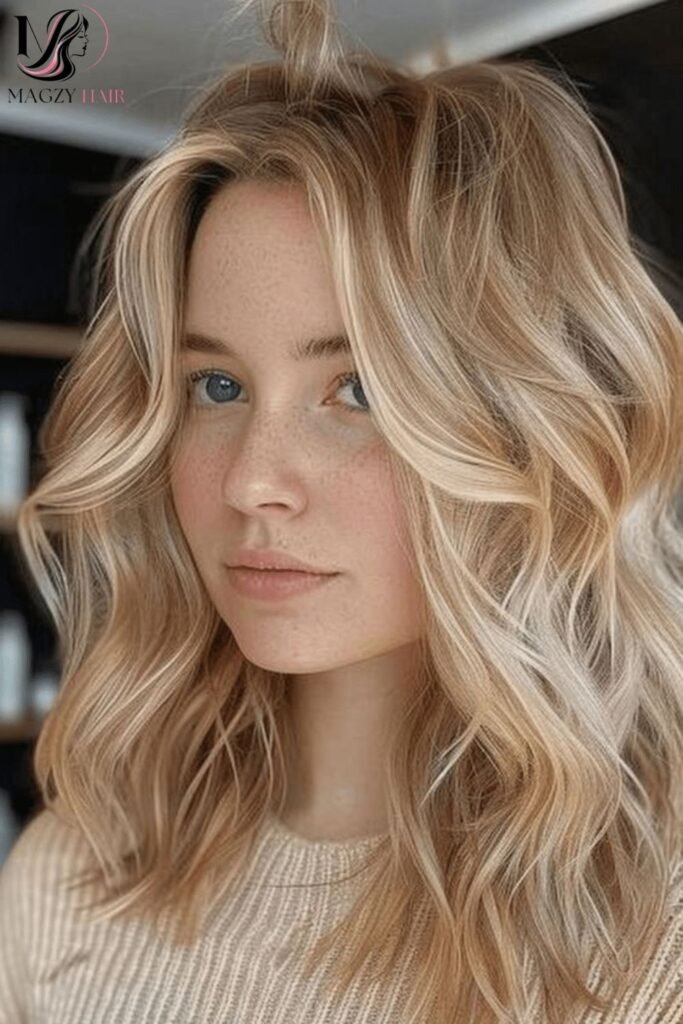
Fair skin tones require thoughtful consideration when choosing among fall hair colors for blondes, since very deep or intensely warm tones can sometimes overwhelm lighter, more delicate complexions. Softer honey or caramel tones, rather than deep bronde or espresso adjacent shades, tend to create a more harmonious, flattering balance for fair skinned individuals specifically.
For fair skin with cool undertones, a slightly muted caramel or honey tone, rather than an intensely golden or orange leaning warm shade, tends to prevent the harsh contrast that can occur when very warm hair color meets very fair, cool toned skin. This more measured approach to warmth still achieves a seasonal shift without creating an unflattering clash.
A helpful example: someone with fair, cool toned skin who chooses an intensely golden butterscotch blonde might find the color creates a stark, slightly unflattering contrast against their complexion, while the same person might find a softer, more muted honey tone achieves a similarly warm, seasonal effect without the same harsh contrast. This distinction matters significantly for fair-skinned individuals specifically.
Consulting directly with a colorist about your specific fair skin undertone, rather than choosing a shade based on a trend photo alone, helps ensure the final fall color genuinely flatters your complexion rather than working against it.
Fall Hair Colors for Blondes With Deeper Skin Tones
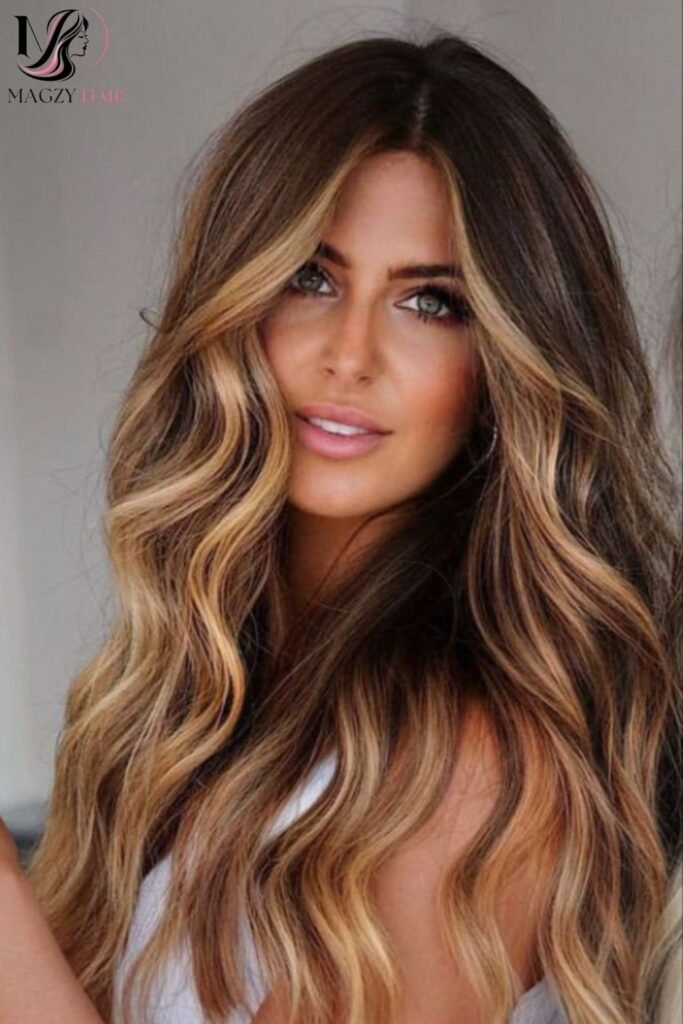
Deeper skin tones generally pair beautifully with richer, more saturated fall hair colors for blondes, since these complexions can typically handle more intense warmth and depth without appearing washed out or overwhelmed. Caramel, butterscotch, and even deeper bronde tones tend to look particularly striking and harmonious against deeper skin, creating a rich, cohesive overall appearance.
This skin tone category also tends to handle golden, honey based blonde tones exceptionally well, since the warmth in these shades complements rather than competes with deeper, richer skin undertones. Many colorists specifically recommend leaning into bolder, more saturated fall shades for clients with deeper complexions, rather than choosing overly subtle or muted options.
A helpful example: someone with deep, warm toned skin might find that a rich butterscotch or caramel blonde creates a particularly radiant, flattering effect, enhancing rather than clashing with their natural complexion. This pairing often allows for slightly bolder shade choices than might work as well on lighter, more delicate skin tones specifically.
As with any skin tone consideration, individual undertone still matters within this broader category, meaning a consultation that considers specific undertone alongside overall depth of skin tone produces the most personalized, flattering results among fall hair colors for blondes.
Balayage Techniques for Fall Blonde Transitions
Balayage remains one of the most effective techniques for achieving fall hair colors for blondes, since its hand painted, graduated placement allows for subtle warming and deepening without requiring a complete color overhaul. This technique works particularly well for blondes wanting to build fall warmth onto an existing blonde foundation rather than starting entirely from scratch.
The graduated nature of balayage also means the transition between root and length can be softened specifically to feel more autumnal, often incorporating a slightly deeper root shadow combined with warmer, richer tones through the mid lengths and ends. This creates a cohesive, seasonally appropriate gradient rather than an abrupt shift in color intensity.
A helpful example: someone with bright, all over blonde balayage from summer might request a fall refresh that specifically deepens the root shadow while adding warmer caramel or honey tones through the previously lightened sections, creating a noticeably more autumnal effect using the same fundamental balayage technique and placement as before.
Because balayage is inherently root free and graduated, this technique typically allows for longer stretches between full color appointments, often 3–4 months, supplemented by occasional glossing treatments to maintain the seasonal warmth throughout fall and into winter.
How to Avoid Brassiness When Warming Up Blonde for Fall
One of the biggest challenges in achieving fall hair colors for blondes is avoiding unwanted brassiness, which can occur when warming treatments interact unpredictably with the hair’s existing underlying pigment. This is a particular risk for blondes who were previously toned very ash or cool, since removing that cool toner too aggressively can reveal orange or yellow undertones rather than the intended rich, warm fall shade.
Working with a colorist who specifically discusses your hair’s underlying pigment before applying a warming gloss or color helps prevent this common issue. A skilled colorist will typically test a small section first, or apply the warming treatment gradually across multiple visits, rather than assuming a single formula will produce predictable results on every blonde base.
A helpful example: someone with previously very ashy, cool toned blonde hair who requests a butterscotch or caramel gloss without proper consultation might find the underlying yellow or orange pigment shows through unevenly, creating a brassy rather than richly warm effect. Discussing this risk directly with your colorist beforehand helps set realistic expectations and often results in a more carefully formulated, controlled outcome.
At home maintenance also plays a role in preventing brassiness once the desired fall warmth is achieved, since continuing to use purple or blue based toning shampoos too frequently can actually counteract the warm tones you specifically added, creating an uneven, muddy result rather than the rich fall color intended.
Product Routine for Maintaining Fall Blonde Color
A consistent, targeted product routine makes a meaningful difference in how well fall hair colors for blondes hold their warmth and vibrancy over time. Since most fall appropriate blonde shades rely on warm, golden, or amber toning rather than cool, ashy tones, using color depositing shampoos and conditioners specifically formulated for warm blonde tones, rather than standard purple shampoo, helps maintain the intended seasonal richness.
Weekly deep conditioning treatments remain essential for blonde hair regardless of season, but become especially important when transitioning to warmer fall tones, since the hair is often already more porous and prone to dryness from previous lightening. A rich, moisture-focused mask helps the hair better absorb and hold onto warming toners, extending the color’s longevity between salon visits.
A helpful example: someone who continues using their summer purple shampoo routine after adding warm, honey toned fall color to their blonde hair might find the warmth fades unexpectedly quickly, since purple shampoo is specifically designed to counteract warm and yellow tones. Switching to a gold or amber toned color depositing product instead helps maintain, rather than fight against, the newly added fall warmth.
Washing hair in cooler water and minimizing overall wash frequency, when possible, also helps preserve fall hair colors for blondes longer between appointments, since hot water and frequent washing both accelerate the natural fading process common to any lightened, colored hair.
Common Mistakes to Avoid With Fall Blonde Transitions
One frequent mistake is requesting a dramatic warming treatment without first discussing your hair’s current tone and condition with a colorist, which can lead to unpredictable, uneven results, particularly brassiness in previously ash toned blonde hair. A proper consultation that considers your specific starting point helps avoid this commonly repeated issue among fall hair colors for blondes.
Another common error involves continuing a purple shampoo heavy maintenance routine after transitioning to a warmer fall shade, which can counteract the very warmth you just paid for and requested. Switching maintenance products to match your new, warmer fall color is an essential but frequently overlooked step in this seasonal transition process.
Attempting to darken blonde hair too dramatically in a single session is another mistake worth avoiding, particularly for those considering a full bronde or deeper brunette shift for fall. Gradual, multi session transitions tend to produce more predictable, evenly distributed results and are generally gentler on previously lightened, more fragile blonde hair.
Finally, neglecting bond building and deep conditioning treatments during a fall color transition can compromise both hair health and the final color result, since blonde hair is already more porous and vulnerable than natural, unlightened hair. Skipping this step often leads to uneven color absorption and faster fading of the intended fall warmth.
Fall Hair Colors for Blondes on Different Hair Lengths
Hair length affects how fall hair colors for blondes ultimately read visually, since longer hair provides more surface area for graduated techniques like balayage or lowlights to show their full dimensional effect. Shorter blonde cuts, by contrast, tend to show fall color as a more solid, concentrated tone, requiring more even, precise application to look intentional rather than patchy.
For blondes with shorter haircuts specifically, a solid, all over glossing treatment often works better for achieving fall warmth than complex, dimensional techniques, since there’s less length available to showcase gradual color transitions effectively. This makes short-haired blondes particularly well suited to shades like honey or butterscotch applied as an overall toning treatment.
A helpful example: someone with a blonde bob or pixie cut might find that attempting a complex, multi tonal bronde technique looks choppy or disconnected due to limited length, while a rich, warm honey blonde gloss applied evenly throughout creates a more polished, cohesive fall look for their specific length.
Longer blonde hair, meanwhile, offers more room for nuanced fall color layering, such as a deeper root shadow transitioning into warmer caramel tones through the mid lengths and ends, showcasing fall hair colors for blondes at their most dimensional and visually striking.
Fall Hair Colors for Blondes With Curly or Wavy Texture
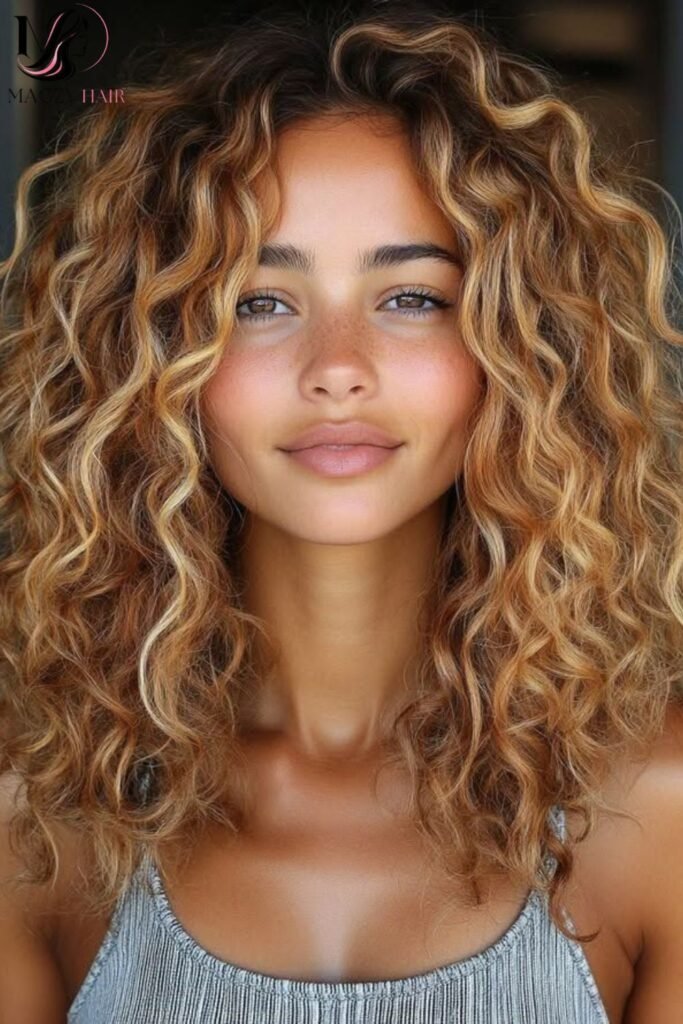
Curly and wavy blonde hair interacts distinctly with fall color transitions, since curl pattern creates more light catching surface area than straight hair, often making warm tones appear richer and more multidimensional once applied. This means colorists sometimes use slightly less intense warming formulas on curly blonde hair to achieve comparable visual richness to what a stronger formula would produce on straight hair.
Placement techniques for fall color also require some adjustment for curly texture specifically, since curls can shrink and clump in ways that make lowlight or balayage placement look different once fully dry and styled, compared to how it initially appears right after the color service. Experienced colorists working with curly blonde hair typically account for this shrinkage when planning fall color placement.
A helpful example: someone with wavy, previously highlighted blonde hair choosing caramel lowlights for fall might find the added warmth reads as more concentrated and vibrant in certain curl clusters once hair fully dries and forms its natural texture, compared to how the same lowlight placement appeared immediately following the salon appointment.
Maintenance routines for curly or wavy blonde hair transitioning to fall color should prioritize extra moisture, since the combination of curl texture and previously lightened hair can be especially prone to dryness, particularly as fall and winter air becomes naturally drier and less humid than summer months.
The Future of Fall Hair Colors for Blondes
Fall hair colors for blondes continue to evolve alongside broader industry advances in personalized, skin-tone-specific formulation technology. As colorists gain access to increasingly sophisticated tools, seasonal blonde adjustments are becoming more precisely tailored to individual undertones and hair porosity, reducing the brassiness and unevenness that have historically challenged blonde-to-fall color transitions.
There’s also growing emphasis on gentler, less damaging methods of achieving seasonal warmth in blonde hair, with more colorists prioritizing glossing and toning treatments over additional lightening whenever possible. This shift reflects a broader industry recognition that blonde hair, already more porous from previous processing, benefits from seasonal adjustments that add richness without unnecessary additional chemical stress.
Sustainability considerations are shaping this space as well, with low-maintenance techniques like balayage and strategic lowlighting gaining continued popularity specifically because they allow blondes to achieve fall warmth with fewer full salon visits and less overall processing compared to complete seasonal color overhauls.
Looking ahead, personalized digital consultation tools, including AI-based color simulation technology, are beginning to help blonde clients specifically preview how different fall hair colors might interact with their unique undertone and hair condition before committing to a service. This kind of technology assisted planning could meaningfully reduce the guesswork historically involved in warming up blonde hair for the season.
Conclusion
Fall hair colors for blondes offer a practical way to feel seasonally in step without giving up the ease and brightness of blonde hair altogether. From honey and caramel to bronde and butterscotch, there’s a warming option suited to nearly every skin tone, hair texture, and maintenance preference. If you’ve been considering a seasonal refresh, use these ideas as a starting point and talk to a trusted colorist about the fall shade that fits your blonde best.
Ayesha Noor is the founder and lead writer behind Magzy Hair. With 4 years of experience researching hairstyles, hair care, and beauty trends, she enjoys helping readers discover styles that suit their unique personality and lifestyle.


