Long Shag Hairstyles: The Complete Guide to Cuts, Styling, and Texture

Long shag hairstyles have made one of the most notable comebacks in modern hair trends, and it’s not just nostalgia driving the appeal. This cut solves a genuine styling problem: how to keep significant length while still getting movement, texture, and personality rather than one heavy, static mass of hair. Built around choppy, textured layering throughout, the long shag manages to look simultaneously undone and intentional, which is a rare and valuable combination.
This guide goes beyond a simple photo roundup of shag styles. It explains the specific cutting techniques that separate a great long shag from a poorly executed one, how hair texture and density should influence the exact layering approach, and details most articles skip entirely like why the same long shag can look completely different depending on where the heaviest texturizing is concentrated. Whether you’re considering this cut for the first time or want more from the shag you already have, this is the deeper, more practical resource.
Why Long Shag Hairstyles Have Made Such a Strong Comeback
Long shag hairstyles have resurged largely because they solve a common frustration with long hair: the tendency for significant length to look flat, heavy, or one dimensional without deliberate shaping. Unlike a simple long layer cut, the shag’s heavily textured, choppy layering creates movement throughout the entire length, giving long hair a dynamic, lived in quality that feels current rather than dated.
This cut also benefits from a broader cultural shift toward embracing texture and imperfection in hairstyling, moving away from the extremely polished, uniform looks that dominated previous years. Long shag hairstyles lean into intentional irregularity, meaning small styling imperfections or slight unevenness actually support the look rather than undermining it, unlike more precise, geometric cuts.
A helpful example: someone who has struggled with long hair looking “boring” or “flat” despite regular trims often finds that transitioning specifically into a long shag transforms the same length into something that feels considerably more interesting and dimensional, without requiring any length to be sacrificed. This makes the shag a popular choice for those wanting more personality from hair they’ve already invested significant time growing out.
Beyond aesthetics, long shag hairstyles also tend to be more forgiving for everyday styling, since the built in texture disguises small imperfections and reduces the pressure for every strand to sit precisely in place. This combination of visual interest and practical ease is a major reason the cut has remained consistently popular across different style cycles.
Must Read: https://magzyhair.com/long-blonde-hairstyles/
The Cutting Technique Behind a Great Long Shag
A genuinely well executed long shag relies heavily on razor cutting or heavy point cutting techniques rather than traditional blunt scissor work, since these methods create the soft, feathered, textured ends that define this style. Without this specific technique, a “shag” can end up looking more like standard long layers, missing the piece-y, choppy quality that separates a true shag from a more conventional layered cut.
Layering density matters significantly here as well. A great long shag typically features considerably more layers, and more heavily textured layers, than a standard long layered cut, particularly concentrated through the crown and around the face. This denser layering is what creates the shag’s signature volume and movement, especially at the top of the head where flatness is most common in long hairstyles.
A helpful example: someone requesting a long shag from a stylist unfamiliar with the specific technique might end up with a cut that’s simply “long layers with bangs,” missing the more aggressive texturizing that defines an authentic shag. Bringing clear reference photos and specifically discussing razor cutting or heavy texturizing helps ensure the stylist understands the distinct technique this particular cut requires.
The crown area deserves particular attention in this cutting process, since this is where shorter, more heavily textured layers create the volume and shape that gives long shag hairstyles their signature silhouette. Without adequate shaping specifically at the crown, even well layered long hair can still fall flat rather than achieving the shag’s characteristic lift and movement.
Long Shag Hairstyles With Curtain Bangs
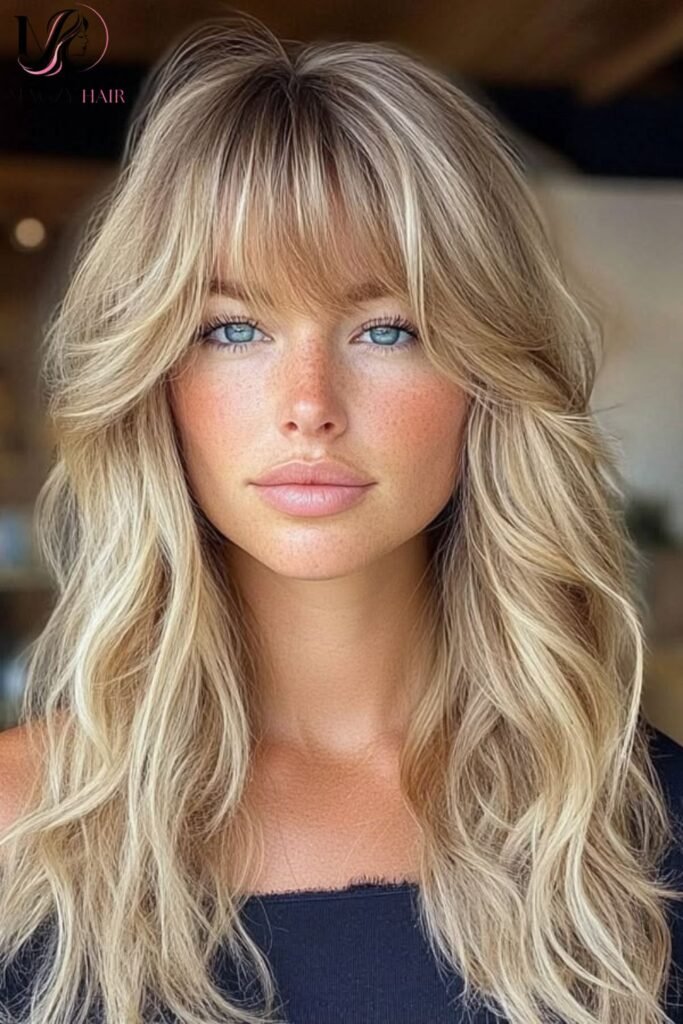
Curtain bangs have become almost synonymous with long shag hairstyles, and the pairing works particularly well because both elements rely on soft, textured, face framing movement rather than precise, blunt lines. When cut with the same heavy texturizing technique used throughout the rest of the shag, curtain bangs blend seamlessly into the overall style rather than looking like a separate, disconnected element.
This bang style also offers practical flexibility that suits the shag’s generally low-maintenance character. Curtain bangs can be styled back and blended into the rest of the length on days when a fuller fringe look isn’t wanted, or styled forward and defined for a more dramatic, face framing effect, adapting easily to different styling moods without requiring an entirely different approach.
A helpful example: someone growing out a previous fringe often finds that transitioning into curtain bangs specifically within a long shag haircut creates an easier, more flattering transitional phase, since the shag’s overall texture disguises the awkward in between lengths that growing out bangs typically involves. This makes the combination particularly practical for those in a hair growth transition.
Maintenance for curtain bangs within a long shag is generally more forgiving than with sleeker, more structured haircuts, since the shag’s inherent texture tolerates some growth and unevenness without looking obviously overdue for a trim, though light touch ups every 6–8 weeks help maintain the bangs’ intended shape and movement.
Long Shag Hairstyles for Straight Hair
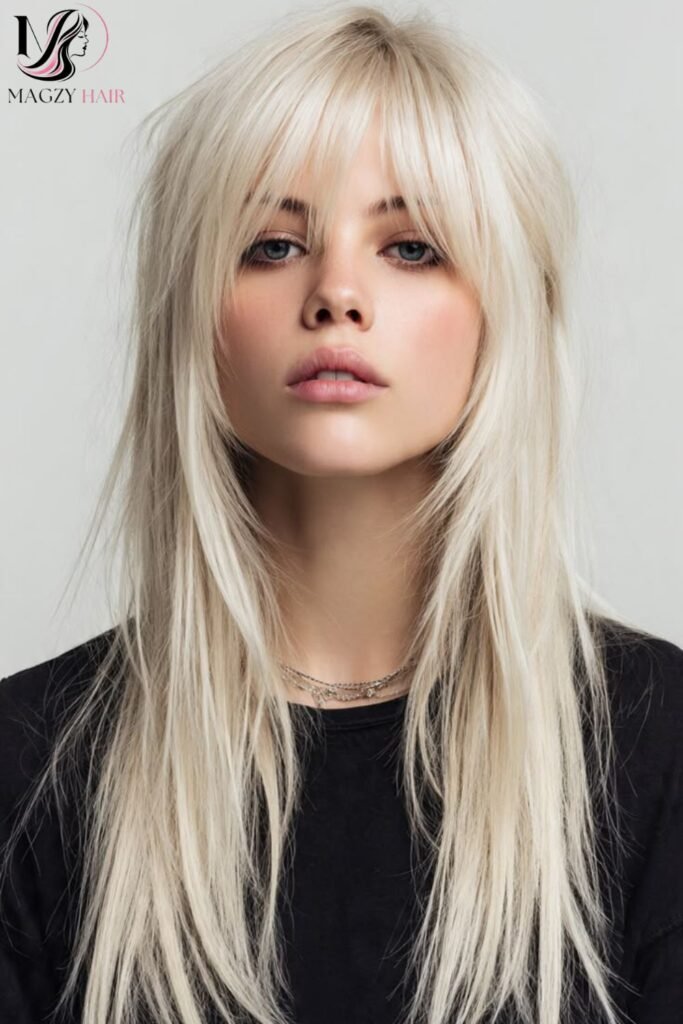
Straight hair presents a specific challenge for long shag hairstyles, since the cut’s signature texture relies on visible movement and layering that straight hair doesn’t naturally provide the way wavy or curly hair does. Without some styling intervention, a shag cut into straight hair can sometimes look more like standard long layers than the textured, dynamic style typically associated with this cut.
Achieving the full shag effect on straight hair typically requires some combination of texturizing styling products and heat styling, such as loose waves created with a curling wand, to introduce the movement the cut is designed to showcase. This makes straight haired long shag hairstyles somewhat more styling dependent day to day compared to naturally textured hair types.
A helpful example: someone with pin straight hair who gets a long shag cut but skips any texturizing styling often finds the cut looks noticeably less dynamic than the same haircut styled with loose waves and texturizing spray. Investing a few extra minutes in light waving or texturizing on styling days significantly enhances how well the shag’s intended movement and shape come through on straight hair specifically.
For those wanting a lower maintenance approach, a light perm or specifically requesting the cut with slightly more aggressive texturizing than usual can help compensate for straight hair’s naturally smoother, less textured quality, creating a shag that requires somewhat less daily styling effort to achieve its full intended effect.
Long Shag Hairstyles for Wavy Hair
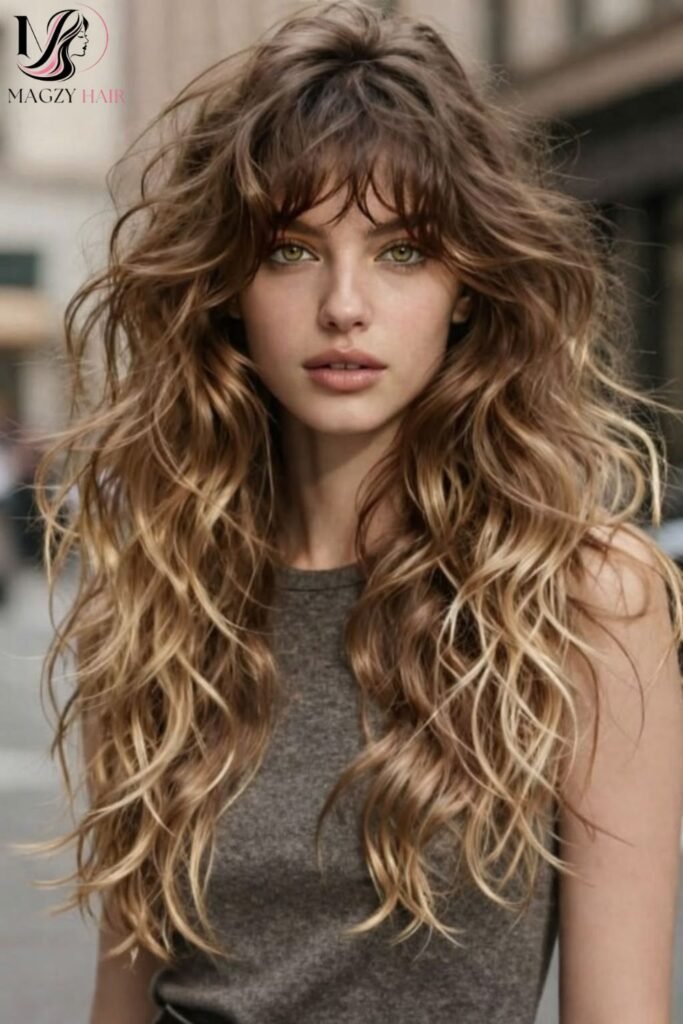
Wavy hair pairs particularly well with long shag hairstyles, since the natural texture already provides much of the movement and dimension this cut is designed to showcase, often requiring significantly less daily styling effort than straight hair needs to achieve the same effect. The wave pattern naturally enhances the choppy, piece-y quality that defines a well executed shag.
This pairing also tends to be especially forgiving for everyday wear, since wavy hair’s natural texture helps disguise small styling imperfections or regrowth between salon visits, aligning well with the shag’s generally low maintenance, lived in aesthetic. Many people with naturally wavy hair find this cut requires little more than air drying with a texturizing product to look intentionally styled.
A helpful example: someone with naturally loose waves who transitions into a long shag often finds their daily styling routine actually becomes simpler rather than more complex, since the cut is specifically designed to work with, rather than against, their natural texture. This is a significant practical advantage worth considering for wavy haired individuals deciding between this cut and other long hairstyle options.
Diffusing or air drying wavy hair with a lightweight curl cream or texturizing spray tends to produce excellent results for long shag hairstyles specifically, enhancing the natural wave pattern without weighing down the layers or disrupting the cut’s intended texture and movement throughout the length.
Long Shag Hairstyles for Curly Hair
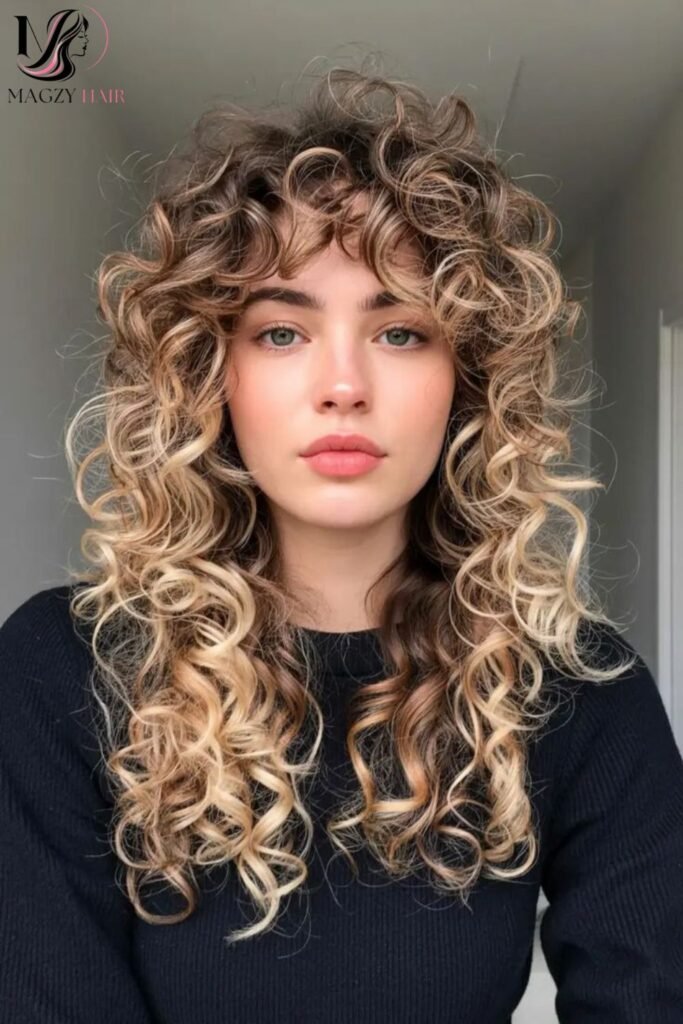
Curly hair requires particular attention when it comes to long shag hairstyles, since curl pattern significantly affects how the heavily textured layers this cut relies on will ultimately settle once fully dry. Dry cutting, where the stylist shapes hair in its natural, unstretched curl pattern, tends to produce far more predictable, well shaped results than cutting curly hair wet and stretched for this particular style.
The shag’s signature texturizing techniques generally translate well to curly hair, since curls already provide natural movement and dimension that pairs beautifully with the cut’s choppy, piece-y layering approach. However, curl shrinkage needs careful consideration specifically for long shag hairstyles, since layers cut without accounting for this shrinkage may end up shorter and more compact than intended once curls fully form.
A helpful example: someone with medium, well defined curls requesting a long shag might find that layers cut to an intended length while stretched shrink up noticeably once fully dry and curled, altering the overall shape and proportion of the cut from what was originally planned. Seeking a stylist specifically experienced with both shag cutting techniques and curly hair helps avoid this common and frustrating mismatch.
Styling curly long shag hairstyles typically benefits from the same curl specific approach used for other curly cuts lightweight, moisture rich products applied to wet hair, followed by diffusing or air drying allowing the natural curl pattern to enhance rather than compete with the cut’s intended texture and movement.
Long Shag Hairstyles for Thick Hair
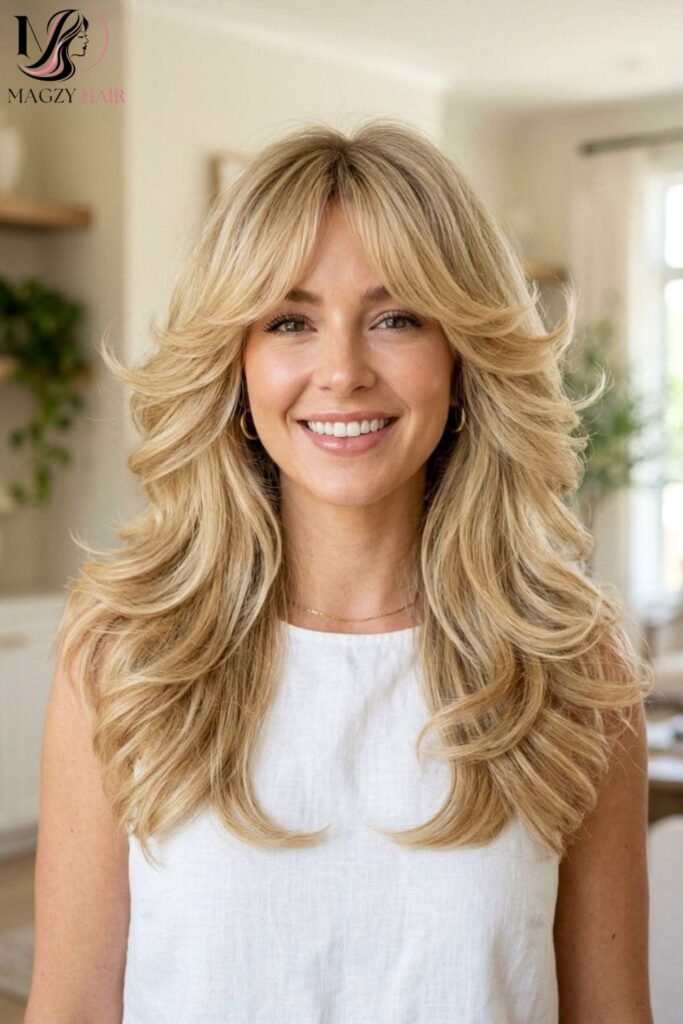
Thick hair often suits long shag hairstyles particularly well, since there’s ample density to support the heavy layering and texturizing this cut relies on without the risk of looking sparse or thin. The shag’s aggressive thinning and texturizing techniques actually help manage thick hair’s natural volume, creating movement and shape rather than one dense, heavy mass throughout the length.
This combination does require skilled execution, however, since improperly layered thick hair can sometimes still look bulky or triangular even with a shag’s texturizing intent, particularly if internal thinning isn’t distributed thoughtfully throughout the cut. Slide cutting and heavy point cutting techniques help remove appropriate weight while still preserving the shag’s characteristic choppy shape.
A helpful example: someone with very thick, dense hair who receives a long shag without adequate internal thinning might find their hair still looks heavy at the ends despite the intended texturizing, since the sheer volume of hair can sometimes overwhelm standard layering techniques. Communicating hair density clearly to your stylist helps ensure appropriate thinning throughout, rather than only at the surface layers.
Styling thick, long shag hairstyles generally requires less volumizing product and more focus on definition and separation, since natural density typically provides sufficient volume without additional help. A texturizing paste or spray, worked through with fingers rather than a brush, helps define individual pieces without adding unnecessary bulk to already abundant hair.
Long Shag Hairstyles for Fine or Thin Hair
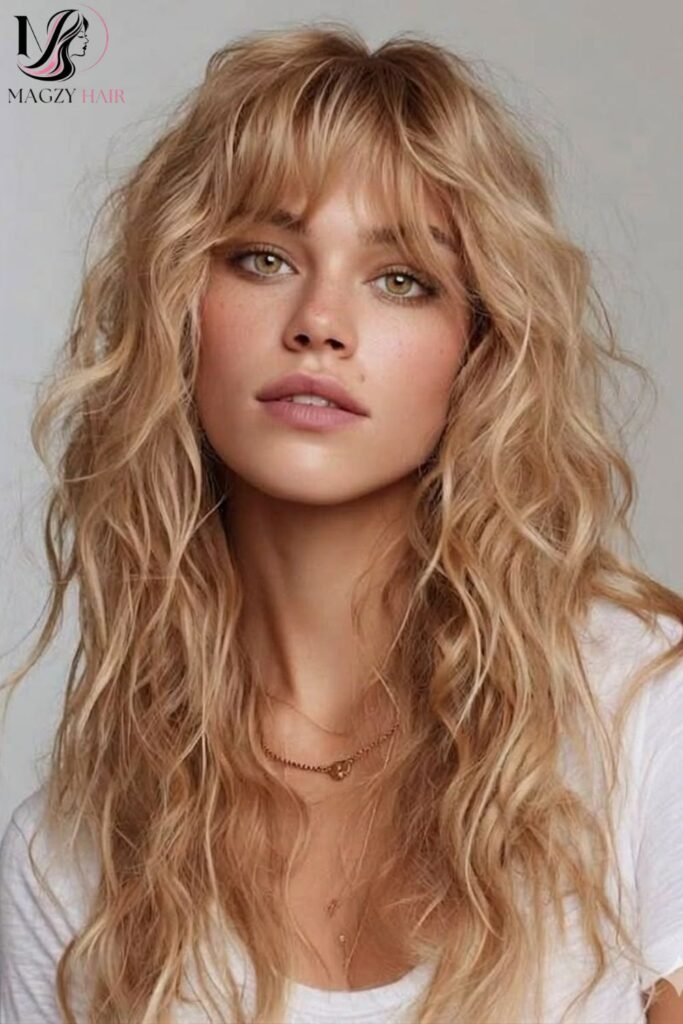
Fine or thin hair benefits significantly from long shag hairstyles, since the cut’s textured layering creates the appearance of increased volume and movement that flat, unlayered long hair often lacks. The choppy, piece-y quality inherent to this style helps disguise thinness by breaking up the hair into visually distinct sections rather than one flat, uniform sheet of hair.
However, over thinning remains a genuine risk for fine hair pursuing this cut, since excessive texturizing on already fine strands can sometimes create sparse, wispy ends rather than the fuller, more textured look intended. A more measured approach to layering density, while still achieving the shag’s signature movement, tends to work better for fine hair than the heaviest possible texturizing.
A helpful example: someone with fine hair who requests an extremely heavily texturized long shag, matching what might work well on thick hair, might find their ends look thin and stringy rather than appropriately choppy and full. A stylist experienced with fine hair typically moderates the texturizing intensity specifically for this hair type, achieving the shag’s characteristic look without compromising overall fullness.
Volumizing products applied at the roots, combined with a texturizing spray through the mid lengths and ends, help fine haired long shag hairstyles achieve maximum visual fullness, ensuring the cut’s inherent movement translates into a voluminous, healthy looking result rather than appearing sparse or overly thin.
Styling Techniques for Long Shag Hairstyles
Effective styling for long shag hairstyles generally centers on enhancing texture rather than smoothing it away, a distinct departure from styling approaches used for sleeker, more polished long hairstyles. A texturizing spray or salt spray applied to damp hair before air drying or diffusing helps enhance natural movement, supporting rather than working against the cut’s intended piece-y quality.
Loose waves created with a curling wand, using a larger barrel and alternating curl direction throughout different sections, tend to enhance a long shag’s texture particularly well, especially on naturally straight hair that doesn’t provide much movement on its own. This technique should aim for an intentionally imperfect, undone quality rather than uniform, polished curls.
A helpful example: someone styling their long shag hairstyle by curling every section in the same direction with a smaller barrel often ends up with a look that feels too uniform and polished for this particular cut, working against the shag’s signature undone, textured aesthetic. Varying curl direction and size creates the more natural, effortless movement this style is specifically designed to showcase.
Finishing with a texturizing paste or pomade, worked through the ends specifically with fingers rather than a brush, helps define individual pieces and enhance the choppy, layered quality that makes long shag hairstyles distinctive, adding a final touch of intentional texture regardless of the base styling method used.
Color Techniques That Enhance Long Shag Hairstyles
Color placement plays a particularly significant role in how long shag hairstyles read visually, since the cut’s heavy texturizing creates numerous distinct sections and pieces that dimensional color can specifically enhance. Balayage or babylights, with their soft, graduated placement, tend to complement a shag’s layered structure especially well, since the color naturally highlights the movement created by the cutting technique itself.
For those wanting a bolder statement, more contrasting highlights or lowlights placed specifically to emphasize the shag’s choppiest, most textured sections can create additional visual interest, drawing attention to the cut’s dimensional quality in a way that flat, single-process color simply can’t achieve on this particular style.
A helpful example: a long shag styled with flat, single process color often looks noticeably less dynamic than the identical cut finished with strategic highlighting or balayage, since the color simply reveals and enhances the layering and texture that’s already built into the cut itself. This is a significant reason many stylists specifically recommend discussing dimensional color alongside a shag haircut request.
Face framing highlights, placed specifically around curtain bangs when paired with a long shag, also help draw additional attention to the face, creating a bright, illuminating effect that works particularly well with this cut’s overall soft, textured aesthetic and face framing bang style.
Common Mistakes to Avoid With Long Shag Hairstyles
One frequent mistake is choosing a stylist unfamiliar with the specific razor cutting or heavy texturizing techniques that define an authentic long shag, resulting in a cut that reads more like standard long layers than a true shag. Bringing clear reference photos and specifically discussing the texturizing technique needed helps ensure the stylist understands and executes this distinct style correctly.
Over styling with heavy, smoothing products is another common error, since these formulas work directly against the textured, piece-y quality that defines long shag hairstyles. Choosing lightweight, texture enhancing products over heavy serums or creams designed to eliminate texture helps ensure daily styling supports rather than undermines the cut’s intended aesthetic.
Neglecting regular trims is a mistake with particularly visible consequences for this cut, since the precise layering and texturizing that defines a great long shag can gradually lose its shape and definition as hair grows. Skipping scheduled trims generally recommended every 8–10 weeks often results in a cut that looks increasingly like standard long layers rather than the more dynamic, textured shag originally intended.
Finally, using the wrong hair type approach treating straight hair styling the same as naturally textured hair, for instance can leave long shag hairstyles looking flat or underwhelming regardless of how well the cut itself was executed. Tailoring the styling routine specifically to your natural hair texture, as discussed throughout this guide, ensures the cut reaches its full intended potential.
The Future of Long Shag Hairstyles
Long shag hairstyles continue to evolve alongside broader industry shifts toward more personalized, texture specific cutting rather than one standardized shag technique applied uniformly across different hair types. As more stylists specialize in texture specific approaches, long shag cuts are becoming increasingly tailored to individual density, curl pattern, and natural movement rather than a generic template.
There’s also growing interest in low maintenance variations of this cut, with some stylists developing shag techniques specifically designed to look intentional even with minimal daily styling effort, aligning with broader lifestyle trends favoring efficiency without sacrificing a distinctive, personality driven look. This is likely to make long shag hairstyles increasingly accessible to those wanting texture without extensive daily styling time.
Color and cut integration is another area of continued growth, with dimensional coloring techniques increasingly designed specifically to enhance a shag’s particular layering pattern, rather than being applied as a generic, separate service. This integrated approach is likely to become increasingly standard as stylists recognize how significantly color placement affects the cut’s perceived movement and texture.
Looking further ahead, increased visibility of long shag hairstyles across a broader range of hair types and textures in mainstream styling content is likely to continue expanding how this once niche, retro inspired cut is understood and requested, moving further away from a narrow, single interpretation and toward a genuinely versatile style adaptable across a wide range of individual hair characteristics.
Conclusion
Long shag hairstyles offer a genuinely dynamic way to keep significant length while still achieving real movement, texture, and personality. From curtain bangs and dimensional color to texture specific styling for every hair type, there’s a version of this cut suited to nearly everyone. If you’ve been considering a change, use these ideas as a starting point for your next conversation with a trusted stylist.
Ayesha Noor is the founder and lead writer behind Magzy Hair. With 4 years of experience researching hairstyles, hair care, and beauty trends, she enjoys helping readers discover styles that suit their unique personality and lifestyle.


