
Short Fall Hairstyles: The Complete Guide to Cuts, Color, and Cozy Weather Styling

Short fall hairstyles offer a genuine practical advantage as temperatures drop: less hair means less time spent drying and styling on chilly mornings, plus considerably less hassle when scarves, sweaters, and jacket collars enter the daily wardrobe rotation. But fall brings its own specific styling considerations drier air, static, and richer seasonal color trends meaning short hair actually benefits from a slightly different approach this time of year than it does in spring or summer.
This guide goes beyond a simple gallery of short fall hairstyles. It explains how the season’s shifting light and weather conditions affect shorter cuts specifically, along with details most articles skip entirely like why certain short styles pair better with scarves and collared jackets than others, and how fall’s richer color trends interact differently with short hair than with longer lengths. Whether you’re considering a shorter cut for the first time this fall or refreshing one you already love, this is the deeper, more practical guide to short fall hairstyles.
Why Short Fall Hairstyles Need a Seasonal Approach
Short fall hairstyles face conditions genuinely different from what shorter cuts encounter during warmer months. As humidity drops and indoor heating begins running more consistently, hair loses moisture more readily, and static becomes a bigger concern specifically for shorter styles, since there’s less overall weight to keep strands grounded and controlled throughout the day.
This dynamic matters because it directly affects which products and techniques actually work well for short fall hairstyles during this particular transitional season. Lightweight products that performed beautifully through summer’s humidity can suddenly feel insufficient once fall’s drier air sets in, meaning many people need to adjust their routine seasonally rather than sticking with identical products year round.
A helpful example: someone who never noticed static with their short bob through spring and summer might suddenly find flyaways and clinginess becoming a genuine daily frustration once fall’s drier conditions take hold. Switching to a slightly richer, anti static leave in product specifically for the season typically resolves this issue that warmer weather routines never had to address.
Because short fall hairstyles also interact constantly with scarves, collars, and hats as outerwear layers increase, choosing a cut and styling approach that holds up well to this repeated friction, rather than one that flattens or frizzes easily, makes a meaningful difference in how good hair actually looks throughout a full day of layered dressing.
Read More: https://magzyhair.com/pixie-hairstyles-with-bangs/
Textured Bob for Effortless Fall Styling

A textured bob remains one of the most practical short fall hairstyles, offering built in movement and separation that requires minimal daily styling effort during a season when mornings often feel rushed and darker. Point cut or razor cut ends create piece-y texture that photographs beautifully against fall’s richer, more muted color palettes commonly seen in seasonal wardrobes.
This particular short fall hairstyle also tends to disguise the flattening effect scarves and jacket collars can create throughout the day, since the built in texture is easier to tousle back into shape with fingers alone rather than requiring a full re styling session with hot tools each time outerwear gets adjusted or removed indoors.
A helpful example: someone who wears a chunky scarf during a daily commute might find their previously smooth, blunt bob looks noticeably creased and flattened once they reach their destination. A textured bob, by contrast, tends to spring back into shape with a quick finger tousle and a small amount of texturizing paste, saving valuable time during busy fall mornings.
Maintenance for this style requires trims every 6–8 weeks to preserve its shape, an upkeep schedule worth planning around fall’s typically busier calendar of back to school and holiday adjacent commitments.
Layered Pixie for Cooler Weather Volume
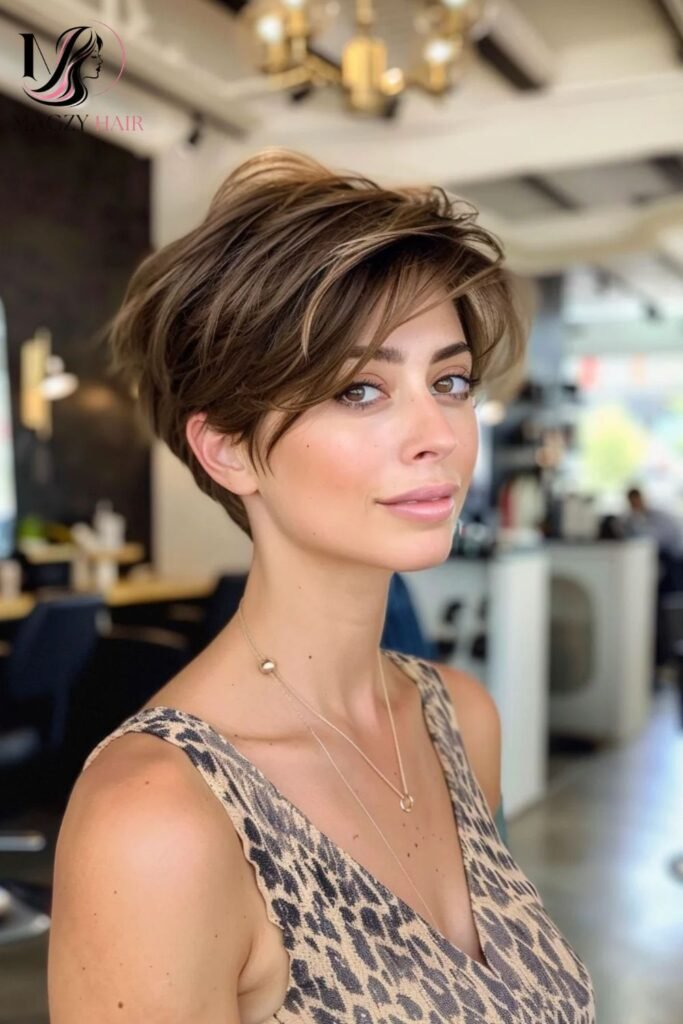
The layered pixie brings genuine practicality to short fall hairstyles, offering built in volume at the crown that holds up particularly well once hats become a more regular part of the daily outfit as temperatures continue dropping through the season. Layers concentrated through the top and sides help maintain shape even after hours spent under a beanie or knit cap.
This particular style also dries considerably faster than longer alternatives, a meaningful benefit as fall mornings get darker and colder, making stepping outside with damp hair a genuinely less appealing prospect than it was during warmer months. Faster drying time translates directly into more usable time during increasingly time-pressed autumn mornings.
A helpful example: someone transitioning into a busier fall schedule, whether from a new school year or returning from a slower summer routine, might find a layered pixie solves multiple problems simultaneously drying quickly, holding shape under hats, and requiring minimal touch up once headwear comes off indoors.
Maintenance for a layered pixie requires trims every 4–6 weeks to preserve its precise shape, worth factoring into fall planning given how quickly the season’s calendar tends to fill up with commitments.
Short Shag With Curtain Bangs for Autumn Texture
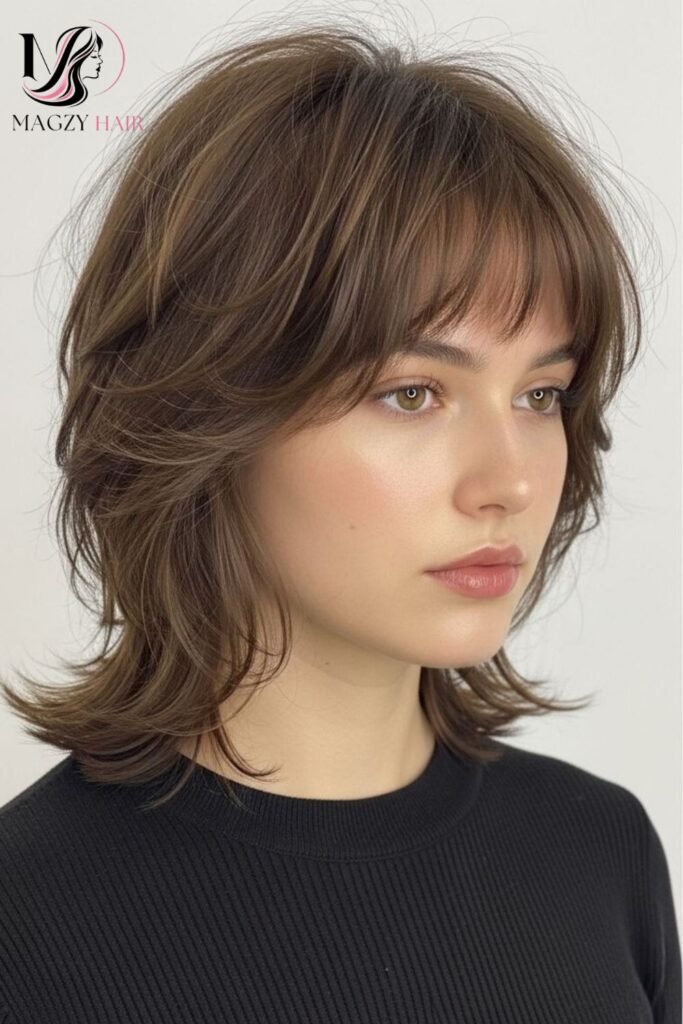
The short shag brings deliberately choppy, heavily textured layers to short fall hairstyles, pairing particularly well with curtain bangs to create an effortlessly cool, undone quality that suits fall’s generally more relaxed, layered aesthetic. This combination photographs especially well against the season’s characteristic warm, earthy tones found in typical autumn wardrobes.
This particular style also tends to resist the static and flyaways that drier fall air commonly creates in smoother, more uniform short cuts, since the shag’s naturally piece-y texture already incorporates intentional separation rather than relying on flawlessly smooth sections. A few stray, static prone strands simply blend into the style’s already textured character.
A practical example: someone who finds their sleeker short styles look noticeably staticky and disheveled once fall’s dry indoor heating kicks in might find a short shag actually looks intentionally tousled rather than obviously frizzy under the exact same conditions. This practical resilience is a significant reason the shag remains popular among short fall hairstyles specifically.
Finishing this style typically involves a lightweight, anti static texturizing spray, enhancing the built in movement without weighing down the layers this particular cut depends on for its effortless character.
Short Bob With Deep Side Part for Polished Fall Days
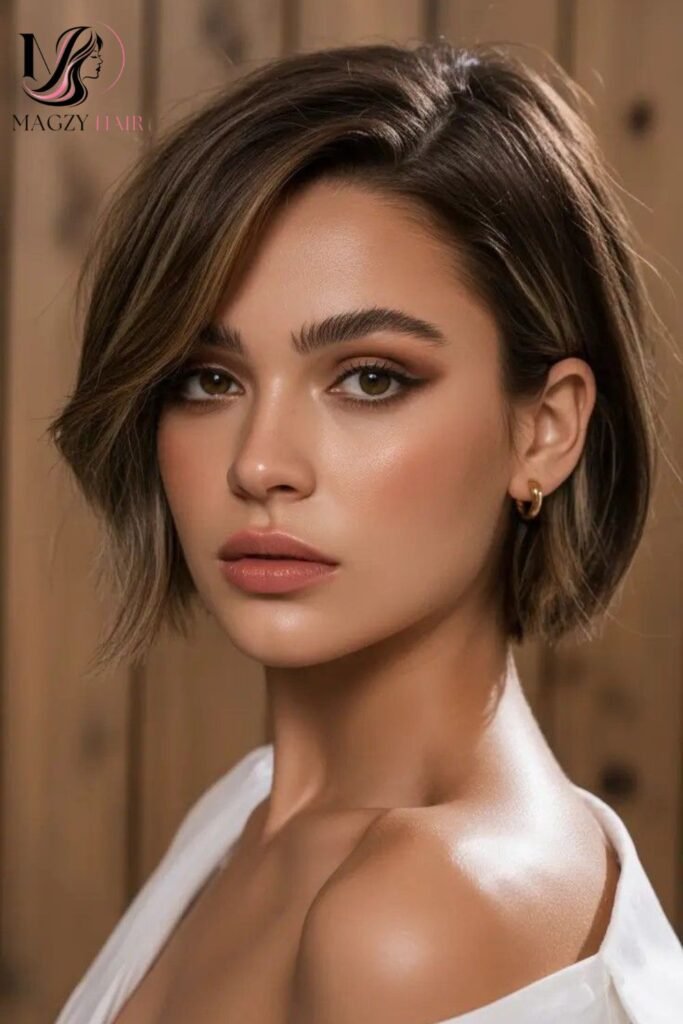
A short bob styled with a deep side part offers a more polished, elevated take among short fall hairstyles, well suited to the season’s transition back into more structured work and social routines after a typically more relaxed summer. This styling choice instantly reads as more put together than a centered part, without requiring any change to the underlying haircut itself.
This particular approach also proves genuinely practical for fall specifically, since a deep side part naturally sweeps hair away from the face on the fuller side, reducing how much hair interacts directly with scarves and jacket collars throughout the day. This small adjustment can meaningfully cut down on the flattening and static that direct fabric contact tends to create.
A helpful example: someone returning to in person work or school commitments after a more casual summer might find that simply switching their short bob’s part from center to deep side instantly elevates their everyday look, requiring no additional styling time while still feeling noticeably more intentional for fall’s typically busier, more structured season.
Maintenance for this styling approach is minimal beyond the bob’s regular trim schedule, generally every 6–8 weeks, since the deep side part is achieved through styling rather than cutting technique itself.
Wavy Bob for Natural Fall Texture
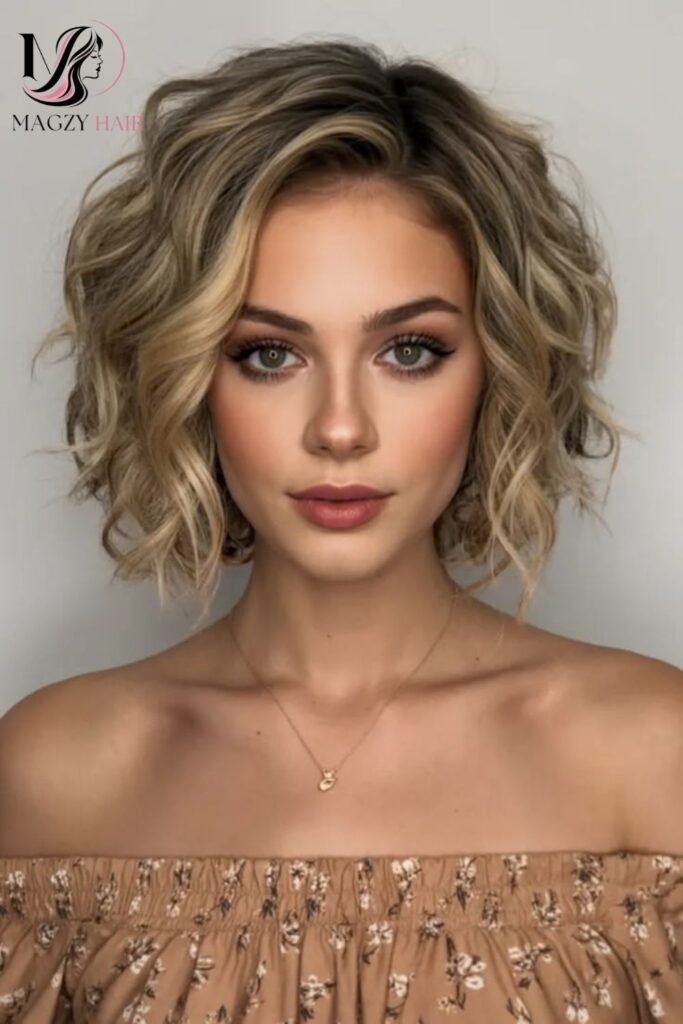
Among short fall hairstyles, a wavy bob embraces natural or styled texture rather than requiring hair to be perfectly straight and sleek, an approach that happens to work particularly well against fall’s tendency to create frizz and static in smooth, straight styles. Waves and natural texture tend to disguise minor frizz far more effectively than a sleek, straight finish would during this particular season.
This style also proves genuinely practical for anyone layering scarves and jackets throughout fall, since wave and texture patterns tend to reform more easily after fabric compression than a perfectly straight, smoothed style does. A quick scrunch with a texturizing product often restores waves after removing a scarf, whereas straight styles typically require a full re styling with heat tools.
A helpful example: someone who switches from straightening their short bob to embracing natural waves specifically for fall often finds their hair looks less frizzy and static prone overall, simply because the wave pattern camouflages the frizz that drier autumn air tends to create rather than fighting against it with a smooth, straight finish that shows every flyaway.
Styling a wavy bob for fall typically involves a lightweight, anti static texturizing spray applied to damp hair, then air drying or diffusing, helping combat the season’s specific tendency to create both frizz and static simultaneously in shorter styles.
Curly Pixie for Low Maintenance Fall Definition
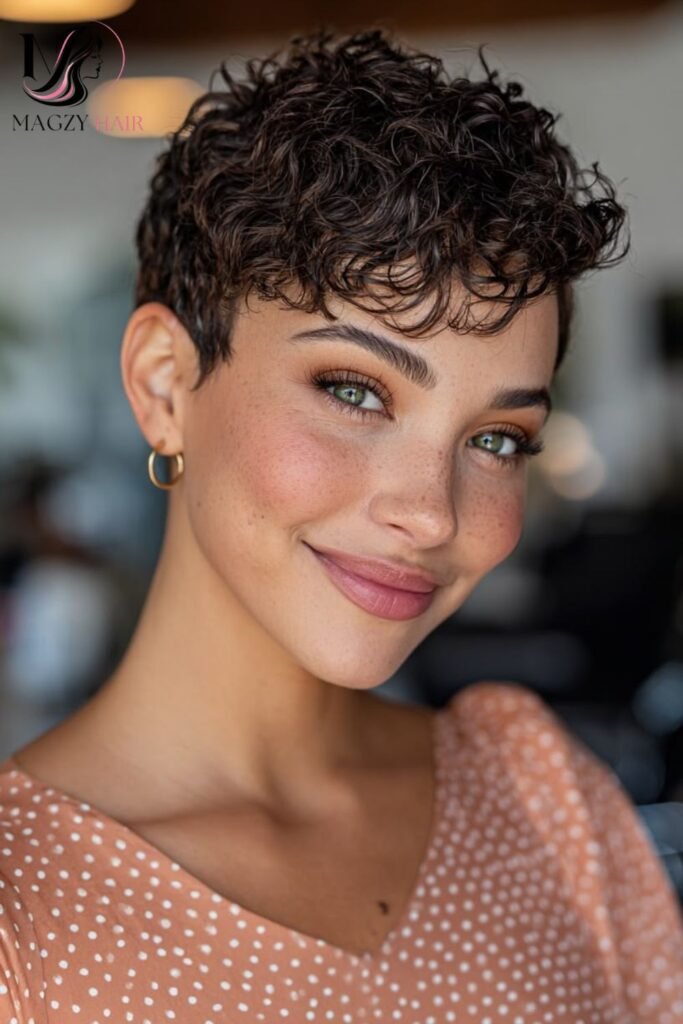
A curly pixie showcases natural curl pattern at a short, low maintenance length, offering genuine styling ease during fall when daily heat styling becomes considerably less appealing as temperatures and indoor humidity both drop. Among short fall hairstyles, this option tends to require the least daily effort for those with naturally curly hair specifically.
Fall’s drier air does require some adjustment to a standard curly hair care routine, since naturally curly hair is already more prone to dryness, and the season’s conditions can compound this significantly compared to summer’s typically higher humidity levels. Adding a richer leave in conditioner beneath standard curl defining products helps address this seasonal increase in dryness.
A helpful example: someone with a curly pixie who continues using the exact same lightweight products relied on during humid summer months might find their curls looking noticeably drier and less defined once fall’s indoor heating begins running consistently. Switching to a heavier, more moisturizing product routine specifically for fall typically restores the curl definition this particular style depends on.
This style also tends to be one of the more hat and headwear friendly options among short fall hairstyles, since curl pattern naturally springs back into shape more easily than straight or wavy texture after hours spent compressed under seasonal headwear.
Short Hairstyles With Bangs for Fall
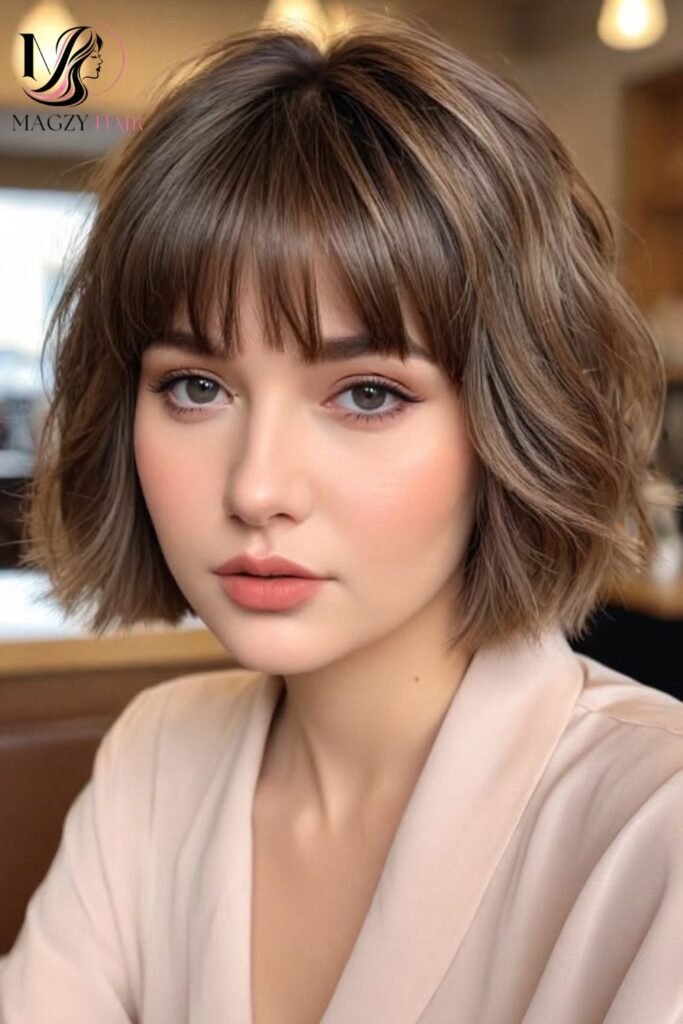
Adding bangs to any short fall hairstyle introduces a face framing element that pairs particularly well with the season’s cozier, layered aesthetic, since bangs draw attention toward the eyes at a time of year when scarves and collars are already covering much of the lower face. Curtain bangs specifically tend to blend especially well into most short fall hairstyles.
This bang style also offers genuine flexibility for fall’s variable weather, since curtain bangs can be styled back and blended into the rest of a short cut on particularly windy or rainy days, or styled forward and defined for a fuller, more polished look on calmer, drier fall days.
A helpful example: someone dealing with fall’s unpredictable wind and occasional rain might find curtain bangs considerably more forgiving day to day than a full, blunt fringe, since they tolerate being pushed back or blown around without looking obviously disheveled the way a precise, straight across style typically does under the same conditions.
Maintenance for bangs specifically requires more frequent trims than the rest of a short fall hairstyle, generally every 3–4 weeks, a detail worth factoring into fall’s typically busier appointment scheduling.
Short Fall Hairstyles With Rich Seasonal Color
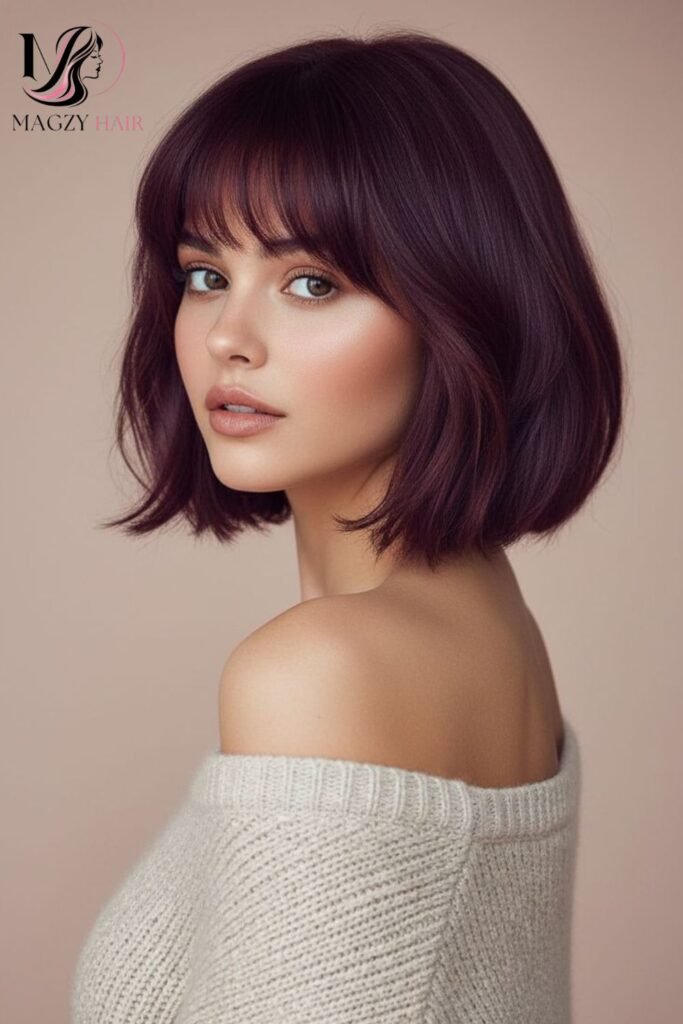
Adding richer, warmer color tones to short fall hairstyles helps the cut feel genuinely seasonal, since fall’s characteristically warmer, deeper color trends tend to photograph especially well on shorter lengths where the entire color is concentrated and visible rather than graduated across significant length.
Deeper, richer highlight or lowlight placement tends to work particularly well for short fall hairstyles specifically, since these tones catch and reflect light favorably under fall’s characteristically softer, more golden natural light, as well as the warmer indoor lighting many people spend more time under once temperatures drop and days shorten.
A helpful example: someone with a short bob who wore bright, sun kissed highlights over summer might find the same color looks noticeably less vibrant and less seasonally appropriate by mid fall, not because the color faded unusually fast, but because fall’s different lighting and wardrobe palette simply display warm, sun dependent tones less favorably. Adding deeper, richer tones specifically for fall helps address this seasonal shift.
Maintenance for color on short fall hairstyles generally requires touch ups every 6–8 weeks, though the shorter overall length means color grows out and needs refreshing somewhat faster than it would on longer hair.
Short Hairstyles That Pair Well With Scarves and Collars
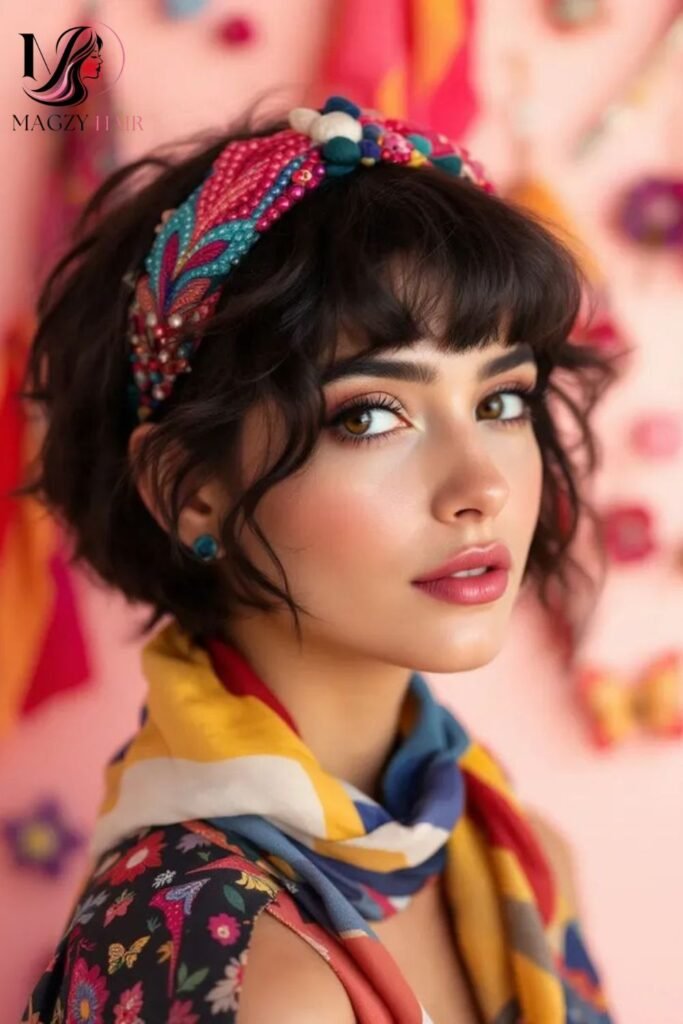
Fall’s layered wardrobe, full of scarves, turtlenecks, and structured jacket collars, genuinely affects which short fall hairstyles hold up best throughout a typical day. Styles with some built in texture or layering tend to bounce back from fabric compression and friction more easily than perfectly smooth, sleek short cuts that require a full re styling session each time outerwear is adjusted.
Bobs and pixies with soft, textured layers specifically tend to perform well against scarves and collars, since the existing movement in the cut disguises minor flattening rather than showing every crease the way a perfectly straight, sleek style typically would after hours of fabric contact throughout the day.
A helpful example: someone who wears a chunky knit scarf daily throughout fall might notice their sleek, straight bob looking noticeably creased by midday, requiring a full restyle to look presentable again. Switching to a slightly more textured version of the same length typically resolves this issue, since the built in movement disguises fabric related flattening far more effectively.
This practical consideration is worth discussing directly with your stylist when planning short fall hairstyles specifically, particularly for anyone whose daily commute or work environment involves significant time spent bundled up against the season’s colder temperatures.
Short Layered Cuts for Fall Transitional Weather
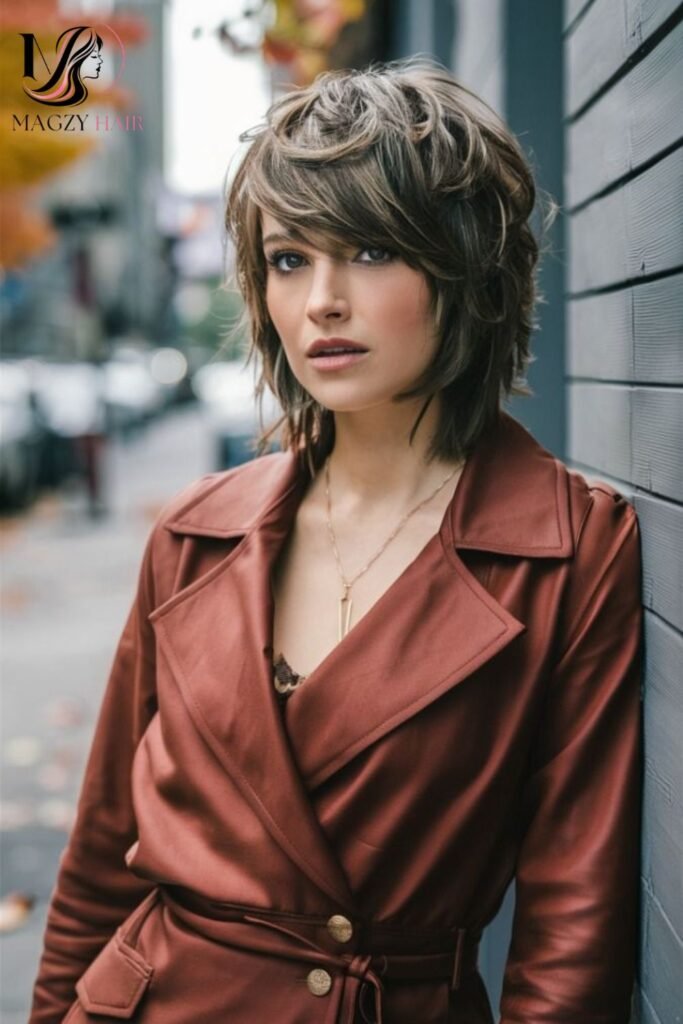
Fall’s notoriously variable weather, swinging between warm afternoons and genuinely cold mornings within a single day, makes layered short cuts particularly practical among short fall hairstyles. The built in movement and texture layering provides tends to hold up better across changing humidity and temperature levels than a completely blunt, unlayered short style.
This adaptability matters specifically during fall, since hair that looks perfect in dry morning conditions might behave completely differently by a humid afternoon, or vice versa, as the season’s genuinely unpredictable weather patterns shift throughout a single day. Layered styles tend to accommodate this variability more gracefully than precise, blunt cuts that rely on consistent conditions to hold their intended shape.
A helpful example: someone commuting through fall’s unpredictable mix of morning fog, afternoon sun, and evening chill might find a layered short cut requires considerably less mid day touch up than an unlayered style, since the built in texture already anticipates and works with some degree of natural variation throughout the day.
Choosing a layering pattern specifically suited to your local fall climate, discussed directly with your stylist, helps ensure your chosen style genuinely performs well throughout this particularly variable season rather than only looking good in ideal, controlled conditions.
Short Fall Hairstyles for Round Faces
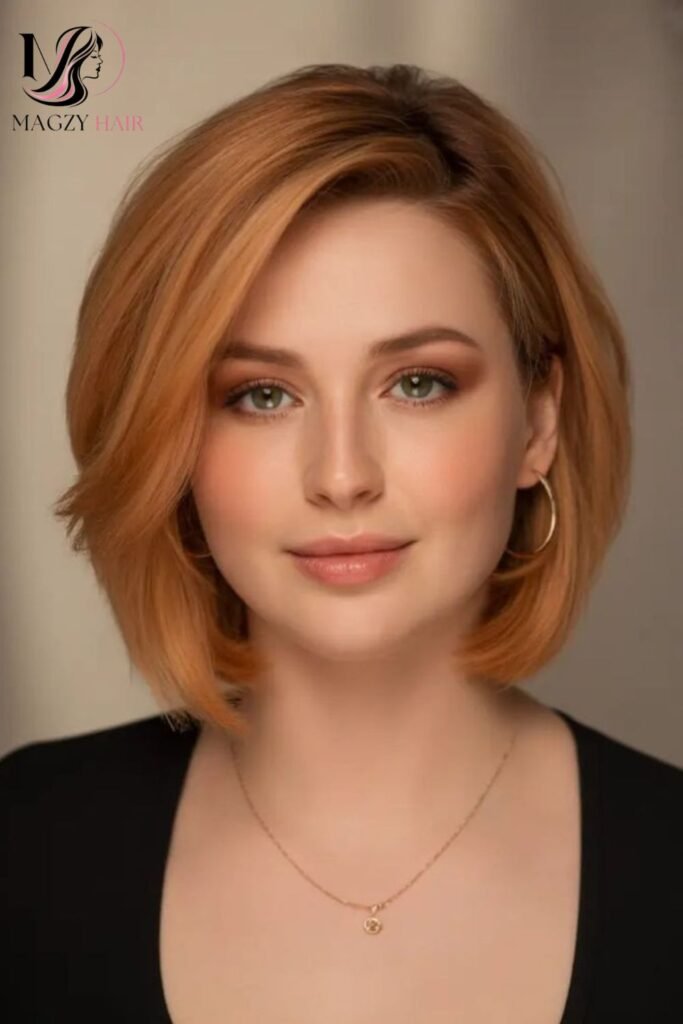
Face shape continues to matter significantly when choosing short fall hairstyles, and round faces specifically benefit from cuts with some added height at the crown paired with longer, more angled front pieces, since these help elongate the face rather than adding width at its widest point.
Side swept bangs or face framing layers that graze diagonally rather than straight across also work particularly well for round faces within short fall hairstyles, since the diagonal line helps break up facial roundness more effectively than a symmetrical, straight-across styling approach.
A helpful example: a woman with a round face who requests a very short, blunt bob without additional shaping might find the cut emphasizes fullness in her face more than intended, particularly once scarves and collars add visual bulk around the lower face during fall specifically. Adjusting to include crown volume and softer, face framing layers typically achieves a more balanced, flattering result.
Consulting with a stylist about specific round face priorities leads to far more personalized recommendations among short fall hairstyles than requesting a style based on a photo alone, since fall’s added layers of scarves and collars can shift how proportions read compared to warmer months.
Short Fall Hairstyles for Square Faces
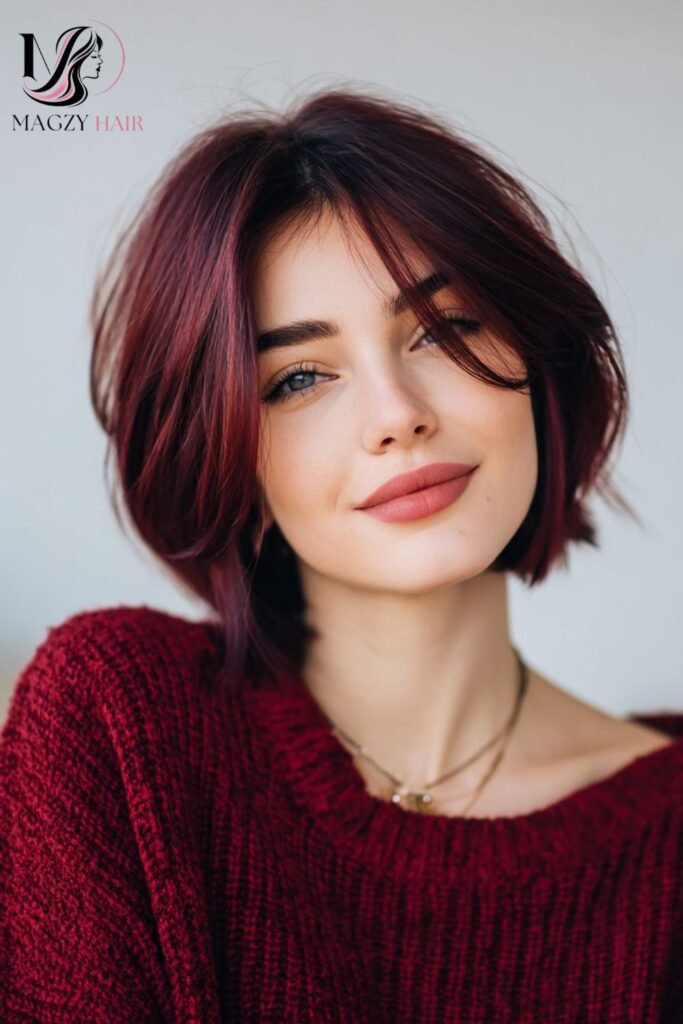
Square faces, characterized by a strong, defined jawline, generally benefit from short fall hairstyles featuring soft, rounded layers rather than sharp, geometric lines, since gentle waves or rounded ends help soften a strong jaw regardless of the season’s specific styling considerations.
Longer, side swept layers that fall diagonally across the face also work particularly well for square faces within short fall hairstyles, since the diagonal line helps break up the jaw’s straight angles more effectively than symmetrical, straight across styling, a technique that remains reliable for this face shape at any time of year.
A practical example: a woman with a strong, square jawline who typically wears a very sharp, blunt bob might find that transitioning to softer, more textured layers specifically for fall not only continues to flatter her face shape but also works better with the season’s static prone air and scarf heavy styling considerations than maintaining an identically sharp style would.
Textured, piece-y layers throughout short fall hairstyles also help square faces by creating visual softness through movement, working particularly well when combined with the season specific styling techniques discussed throughout this guide for managing fall’s drier, static prone conditions.
Product Routine for Short Fall Hairstyles
A dedicated, seasonally adjusted product routine makes a genuine difference in how well short fall hairstyles hold up once drier, cooler conditions set in. Switching from lightweight, humidity focused summer products to slightly richer, moisture focused formulas helps combat the dryness and static fall air commonly introduces to shorter cuts specifically.
A leave in conditioner or lightweight styling cream applied to damp hair, followed by a small amount of anti static serum on dry hair as needed throughout the day, tends to work particularly well for maintaining short fall hairstyles without the greasy buildup a heavier, cold weather routine might otherwise create on shorter lengths.
A helpful example: someone who notices increasing flyaways and static specifically once fall arrives, despite no change to their actual haircut or usual routine, is likely experiencing the season’s characteristic dry air effect rather than any issue with the cut itself. Adjusting product formulation seasonally, rather than assuming something has gone wrong with the hair, typically resolves this common seasonal frustration.
Weekly deep conditioning also becomes increasingly valuable for short fall hairstyles as the season progresses, helping counteract the cumulative drying effect of both outdoor cold and consistent indoor heating throughout the colder months.
Common Mistakes to Avoid With Short Fall Hairstyles
One of the most frequent mistakes is continuing an identical summer product routine into fall without adjusting for the season’s drier, static prone air. Switching to slightly richer, more moisturizing and anti static products specifically for autumn helps short fall hairstyles avoid the frizz and flyaways lightweight summer formulas simply can’t adequately address once conditions change.
Another common error involves choosing a very structured, sleek short style without accounting for how it will hold up to daily scarves, collars, and headwear throughout fall. Styles relying on natural texture, waves, or built in layering tend to bounce back from fabric compression far more easily than perfectly smooth, sleek styles requiring a full re styling session each time outerwear shifts throughout the day.
Skipping heat protection during fall blowouts and styling sessions is another frequently repeated mistake, particularly damaging since hair is often already drier from cooler outdoor air and increasing indoor heating during this transitional season. Consistent use of a quality heat protectant helps prevent additional damage that could otherwise compound fall’s natural dehydrating effect.
Finally, neglecting to adjust hair color for fall’s shifting light and wardrobe palette is a mistake worth avoiding, since colors that looked vibrant and appropriate over summer can sometimes feel visually disconnected from fall’s characteristically warmer, richer seasonal tones once the wardrobe and lighting shift accordingly.
The Future of Short Fall Hairstyles
Short fall hairstyles continue to evolve alongside broader advances in weather specific product formulation and cutting techniques designed with seasonal practicality genuinely in mind. As more brands develop products specifically addressing fall’s unique combination of dryness and static, achieving polished, healthy looking short styles during this transitional season is becoming considerably easier than it once was.
There’s also growing emphasis on cuts specifically designed to hold up well to scarves, collars, and headwear, with more stylists discussing these practical seasonal considerations directly during consultations rather than treating them as secondary concerns separate from the haircut itself.
Technology is advancing alongside this trend as well, with more heat styling tools incorporating built in moisture and anti static technology specifically designed to counteract fall and winter’s particularly harsh effects on hair health and manageability throughout the colder months.
Looking ahead, personalized digital consultation tools, including AI based style previews that account for practical seasonal factors like headwear and local climate, are beginning to help people choose short fall hairstyles that will genuinely hold up well to their specific daily routine, rather than purely aesthetic considerations viewed in isolation from real world conditions.
Conclusion
Short fall hairstyles offer genuine practical advantages during this transitional season, provided you choose a cut and routine suited to autumn’s specific styling challenges. From a low maintenance textured bob to a curly pixie built for cozy weather ease, there’s an option here suited to nearly every lifestyle and scarf wearing habit. Ready to update your look this season Bring this guide to your next appointment and start exploring short fall hairstyles that truly fit you.
Ayesha Noor is the founder and lead writer behind Magzy Hair. With 4 years of experience researching hairstyles, hair care, and beauty trends, she enjoys helping readers discover styles that suit their unique personality and lifestyle.


