Feathered Bob Hairstyles: The Complete Guide to Cuts, Styling, and Texture

Feathered bob hairstyles bring back a technique that’s genuinely stood the test of time, using soft, feather light layering to create movement and dimension a completely blunt bob simply can’t achieve. The result is a cut that looks polished yet effortlessly textured, with ends that flick and blend rather than sitting in one heavy, uniform line. It’s a style that reads as both nostalgic and current, depending on how it’s executed.
This guide goes beyond a simple photo gallery. It explains the specific cutting techniques that separate a genuinely feathered bob from standard layering, how hair texture and density should influence the exact feathering approach, and details most articles skip entirely like why feathering placement changes dramatically depending on whether the goal is a retro 70s-inspired look or a softer, modern take. Whether you’re considering this cut for the first time or want more from the feathered bob you already have, this is the deeper, more practical guide.
What Makes Feathered Bob Hairstyles Different From Standard Layered Bobs
Feathered bob hairstyles rely on a specific cutting technique that separates them from standard layered bobs, using fine, graduated layering and point cutting to create soft, wispy ends that flick outward or blend seamlessly rather than sitting in one heavy section. This technique produces a lighter, more textured finish than typical layering, which tends to create broader, more solid sections of movement rather than the fine, feather like detail this specific style depends on.
The feathering technique itself involves cutting into the hair’s ends at an angle, using scissors or a razor to remove weight in thin, precise increments rather than broad, even sections. This creates the soft, blended quality that gives feathered bob hairstyles their signature light, airy movement, distinct from the more structured, defined layers found in many other bob variations.
A helpful example: someone requesting “layers” without specifically discussing feathering technique might receive a cut with broader, more solid layer separation, missing the finer, softer detail that defines an authentic feathered bob. Bringing clear reference photos and specifically discussing point cutting or feathering technique helps ensure the stylist understands and executes this particular approach correctly.
This distinct technique also affects how feathered bob hairstyles behave day to day, since the fine, graduated ends tend to move more naturally with the head and require less precise styling to look intentional compared to bobs relying on sharper, more defined layer lines.
Must Read: https://magzyhair.com/short-fall-hairstyles/
The History and Comeback of Feathered Bob Hairstyles
Feathered bob hairstyles trace their most recognizable roots to the 1970s, when the technique became closely associated with soft, face framing layers and a relaxed, effortlessly glamorous aesthetic. This era’s version tended to feature more dramatic feathering, often flicking outward significantly at the ends, creating a distinctly retro silhouette still referenced heavily in vintage inspired styling today.
The modern resurgence of feathered bob hairstyles has softened much of this original drama, favoring subtler, more blended feathering that suits contemporary tastes while still nodding to the technique’s retro roots. This updated approach tends to feel more versatile for everyday wear than the more exaggerated flicks associated with the style’s original heyday.
A helpful example: someone specifically wanting the dramatic, outward flicking feathering associated with 1970s icons might need to discuss this distinctly retro reference directly with their stylist, since a generic request for “a feathered bob” today more commonly produces the softer, more subtle modern interpretation rather than the bolder vintage version.
Understanding this history helps when communicating with a stylist, since specifying whether you want a more retro inspired, dramatic feathering or a subtler, modern take significantly changes the cutting approach and ultimately the finished silhouette of your feathered bob hairstyle.
Classic Feathered Bob: Soft, Face Framing Movement
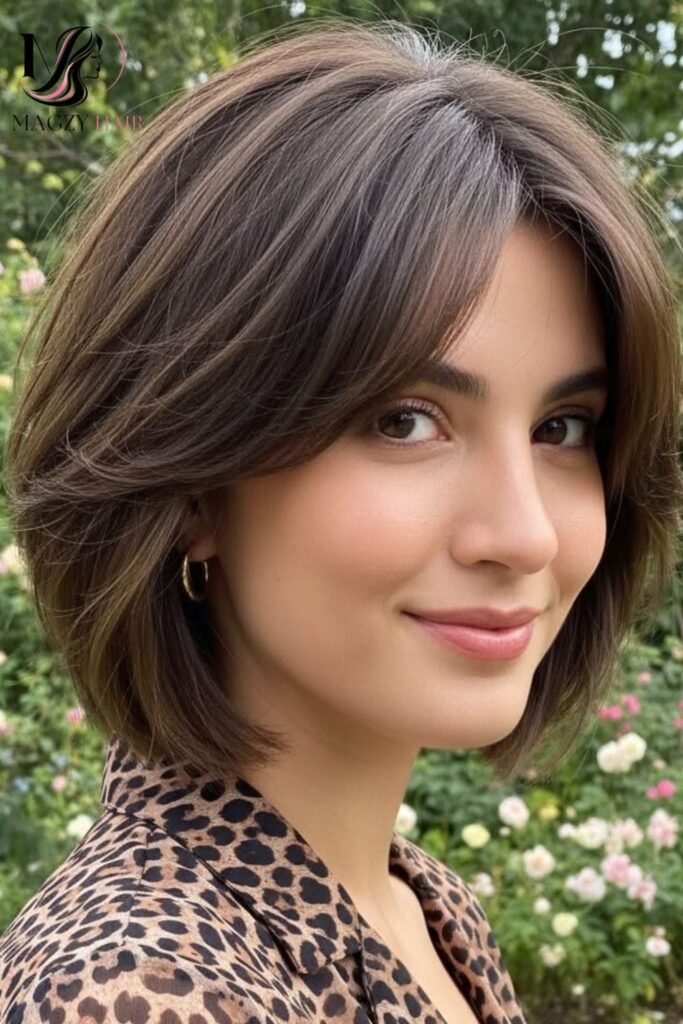
The classic feathered bob typically falls at chin to jaw length, using fine feathering concentrated around the face to create soft, wispy pieces that frame the cheekbones and jaw. This version tends to feel the most universally wearable among feathered bob hairstyles, since the technique softens the face without requiring a dramatic overall length or shape change.
This style benefits significantly from feathering that’s slightly heavier near the face and gradually lighter toward the back, creating a cohesive, blended effect rather than uniform feathering throughout the entire cut. This graduated approach helps the feathering feel like a natural extension of the bob’s shape rather than a separate, disconnected texturizing technique.
A helpful example: someone with a fuller face who wants the softening benefit feathering provides might specifically request heavier feathering concentrated around the jaw and cheekbones, while keeping the back of the bob slightly less feathered for a more balanced, less busy overall silhouette. This targeted approach demonstrates how feathered bob hairstyles can be customized specifically for individual face softening needs.
Maintenance for a classic feathered bob generally requires trims every 6–8 weeks to preserve the fine, precise feathering that defines this particular style, since even moderate growth can begin blurring the delicate, graduated ends this cut depends on.
Long Feathered Bob for Added Versatility
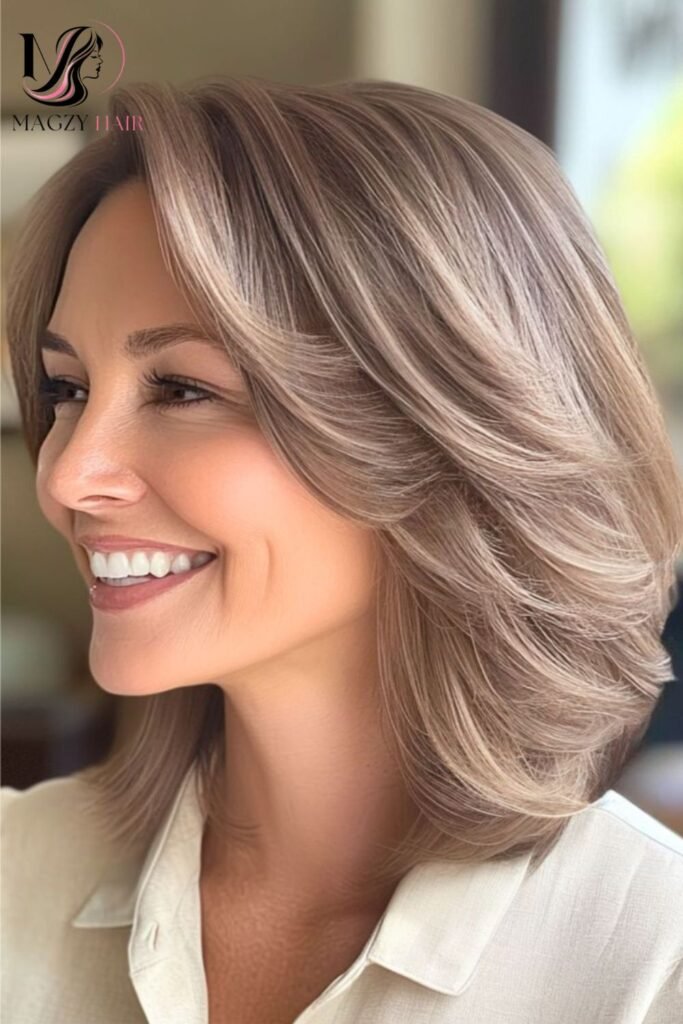
A longer feathered bob, extending to collarbone length or slightly beyond, offers more versatility among feathered bob hairstyles while still incorporating the soft, wispy texture that defines this technique. This length provides enough hair to pull back into a small ponytail on busier days, while the feathering keeps the style looking dynamic and intentional when worn down.
This longer version also allows for more dramatic, layered feathering throughout the length, since there’s simply more hair to work with compared to shorter feathered bob variations. Stylists can create multiple feathered layers cascading through the length, producing a noticeably more dimensional, textured effect than shorter versions typically achieve.
A helpful example: someone transitioning from long hair who isn’t ready to commit to a significantly shorter cut might find a long feathered bob offers a genuinely satisfying middle ground, delivering the movement and lightness feathering provides without requiring as dramatic a length reduction as shorter feathered bob hairstyles typically involve.
Because this length retains more hair overall, maintenance tends to be slightly more forgiving than shorter feathered bobs, generally requiring trims every 8–10 weeks while still maintaining the style’s essential textured, feathered quality throughout that timeframe.
Short Feathered Bob for Bold, Textured Movement
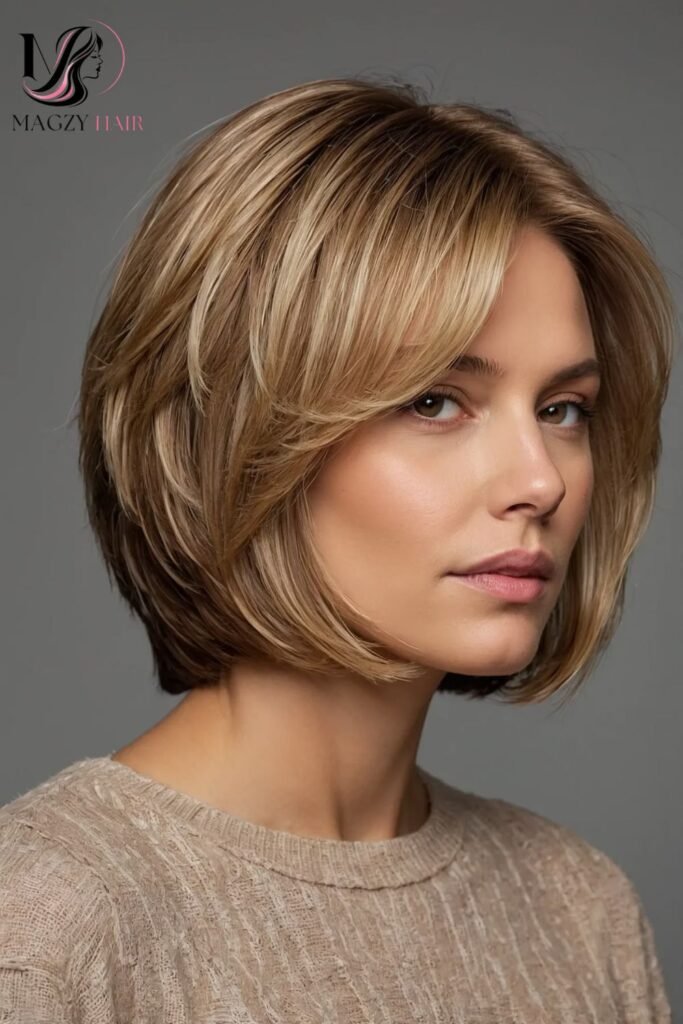
A short feathered bob, typically landing above the jaw, delivers the boldest, most concentrated version of feathering among feathered bob hairstyles, since the shorter length means feathered layers are packed more densely throughout the cut. This creates a particularly dynamic, textured silhouette that reads as considerably more striking than longer feathered variations.
This shorter length requires especially precise feathering technique to avoid looking choppy or disconnected rather than intentionally textured, since there’s less overall length for the eye to travel through and blend the feathering visually. A skilled stylist typically uses finer, more numerous feathered sections at this length compared to longer feathered bob hairstyles.
A helpful example: someone with fine hair considering a short feathered bob might worry the technique will emphasize thinness, but properly executed feathering at this length can actually create the appearance of increased fullness, since the concentrated layering and movement fill visual space more effectively than a completely blunt, unlayered short cut would.
Maintenance for a short feathered bob tends to be the most frequent among all length variations, generally requiring trims every 4–6 weeks to preserve the precise, dense feathering this particular version depends on for its full visual impact.
Feathered Bob Hairstyles for Straight Hair
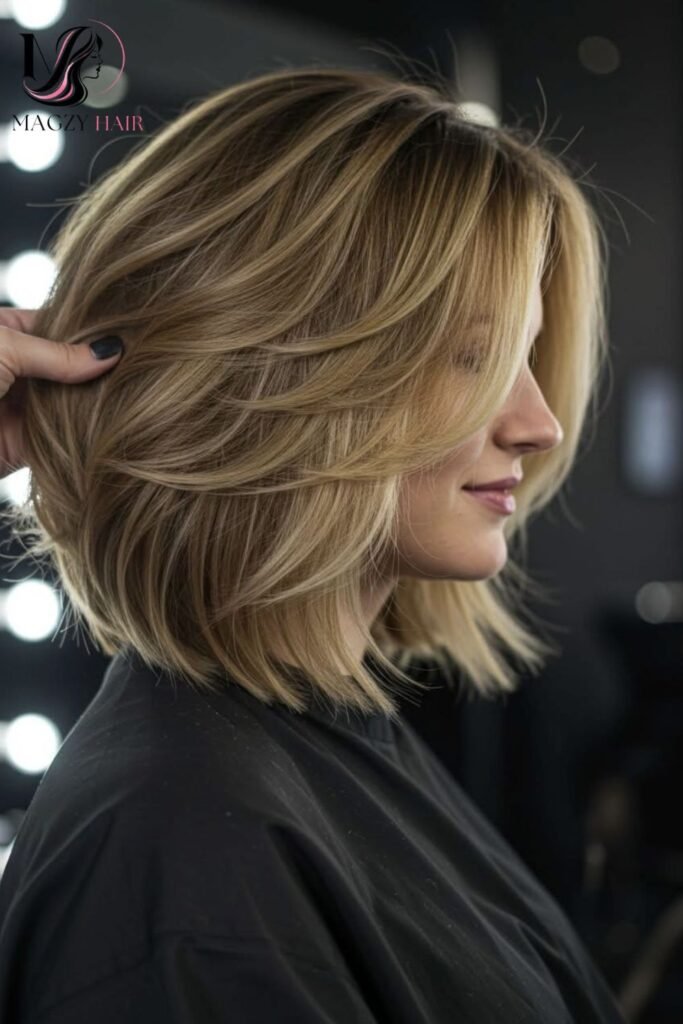
Straight hair tends to showcase feathering with particular clarity, since there’s no wave or curl pattern disrupting how the feathered ends catch light and move throughout the day. This makes straight hair an excellent canvas for feathered bob hairstyles, allowing the precise cutting technique to read clearly rather than being partially obscured by natural texture.
This hair type does benefit from some styling support to fully activate the feathering’s intended movement, since straight hair doesn’t naturally flick or separate the way slightly textured hair does on its own. A round brush blowout, directing the ends outward or under depending on the desired finish, helps the feathering achieve its full intended effect.
A helpful example: someone with naturally straight, fine hair who gets a feathered bob but skips any directional styling might find the feathering looks considerably subtler than intended, since straight hair tends to fall flat rather than naturally showcasing the cut’s built in movement. A few minutes of round brush styling specifically at the ends significantly enhances how well feathered bob hairstyles read on this particular hair type.
For those wanting a lower maintenance approach, requesting slightly more aggressive feathering than usual can help compensate for straight hair’s naturally smoother quality, creating a feathered bob that requires somewhat less daily styling effort to achieve its full intended texture.
Feathered Bob Hairstyles for Wavy Hair
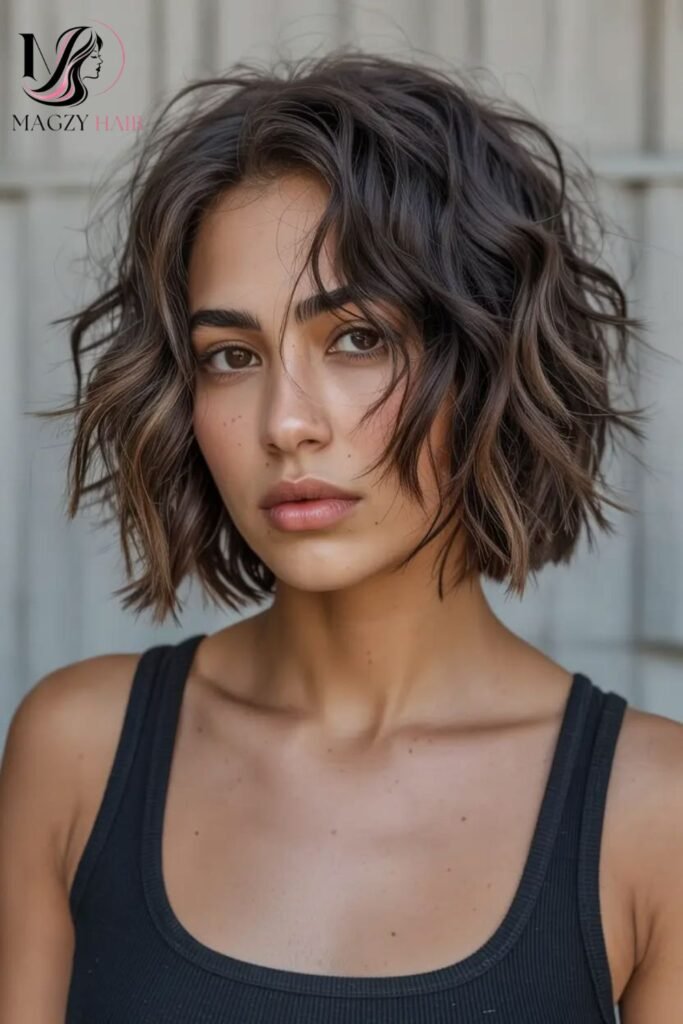
Wavy hair pairs particularly well with feathered bob hairstyles, since the natural texture already provides movement that enhances the feathering technique rather than requiring extensive styling intervention to activate it fully. The wave pattern naturally emphasizes the soft, piece-y quality that defines well executed feathering throughout the cut.
This pairing also tends to be especially low maintenance for everyday wear, since wavy hair’s natural texture helps disguise small styling imperfections or slight regrowth between salon visits, aligning well with feathering’s generally soft, slightly undone aesthetic. Many people with naturally wavy hair find feathered bob hairstyles require little more than air drying with a texturizing product to look intentionally styled.
A helpful example: someone with naturally loose waves who transitions into a feathered bob often finds their daily styling routine becomes genuinely simpler, since the natural wave pattern and the feathering technique work together rather than requiring separate, additional styling effort to achieve the cut’s full intended movement and texture.
Diffusing or air drying wavy hair with a lightweight curl cream tends to produce excellent results for feathered bob hairstyles specifically, enhancing the natural wave pattern without weighing down the fine, precise feathering that defines this particular cutting technique.
Feathered Bob Hairstyles for Thick Hair
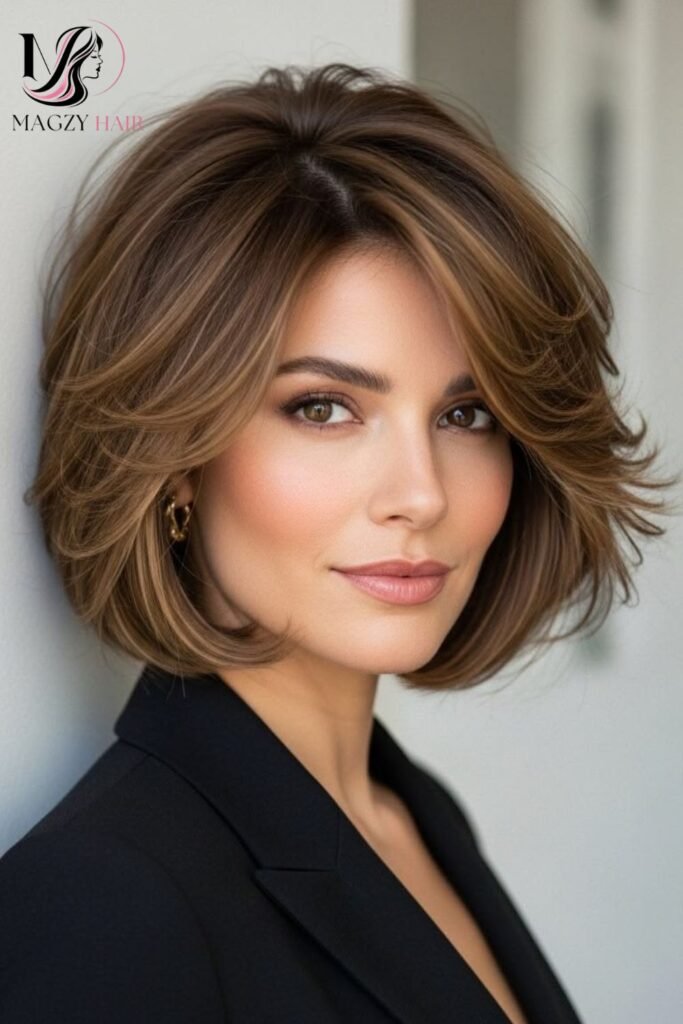
Thick hair often benefits significantly from feathered bob hairstyles, since the feathering technique specifically removes weight in fine, controlled increments, helping manage density without the bulkier, more solid look broader layering techniques sometimes create on denser hair. This precise thinning approach tends to produce a considerably lighter, more manageable result than standard layering alone.
This combination does require skilled execution, since improperly feathered thick hair can sometimes still look heavy despite the technique’s thinning intent, particularly if the feathering isn’t distributed thoughtfully throughout the entire cut. Concentrating feathering more heavily through the interior sections, rather than only at the visible surface layers, helps address this concern effectively.
A helpful example: someone with very thick, dense hair who receives feathering only at the surface layers might find their bob still looks heavy and bulky despite the technique’s application, since the underlying weight beneath the surface remains largely untouched. Communicating hair density clearly to your stylist helps ensure feathering is distributed throughout the cut’s full depth rather than only superficially.
Styling thick feathered bob hairstyles generally requires less volumizing product and more focus on definition and separation, since natural density typically provides sufficient volume without additional help, allowing the feathering itself to create the primary source of movement and texture.
Feathered Bob Hairstyles for Fine or Thin Hair
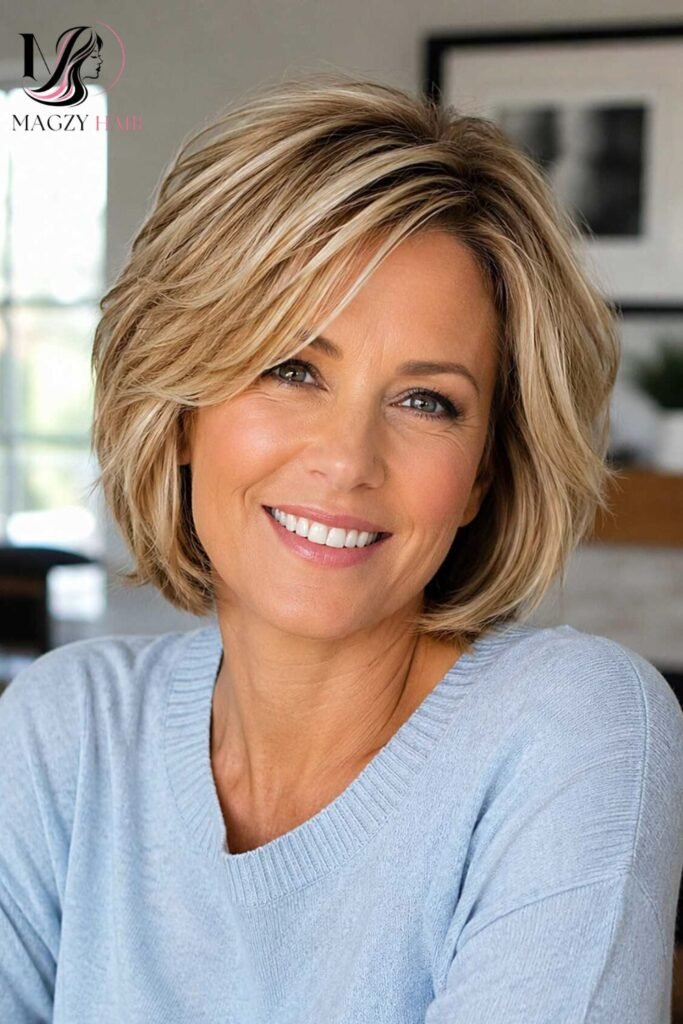
Fine or thin hair benefits considerably from feathered bob hairstyles, since the technique’s soft, graduated layering creates the appearance of increased volume and movement that flat, unlayered hair often lacks. The feathering’s piece-y quality helps disguise thinness by breaking hair into visually distinct, textured sections rather than one flat, uniform sheet of hair.
However, over-feathering remains a genuine risk for fine hair, since excessive thinning on already fine strands can sometimes create sparse, wispy ends rather than the fuller, softer look feathering is intended to achieve. A more measured approach to feathering intensity, while still creating the technique’s signature movement, tends to work better for fine hair than the most aggressive possible thinning.
A helpful example: someone with fine hair who requests extremely heavy feathering, matching an approach that might work well on thick hair, might find their ends look thin and stringy rather than appropriately soft and textured. A stylist experienced with fine hair typically moderates feathering intensity specifically for this hair type, achieving the technique’s signature look without compromising overall fullness.
Volumizing products applied at the roots, combined with directional round brush styling through the feathered ends, help fine haired feathered bob hairstyles achieve maximum visual fullness, ensuring the technique’s inherent movement translates into a voluminous result rather than appearing sparse.
Feathered Bob Hairstyles for Round and Square Faces
For round faces, feathered bob hairstyles benefit from feathering concentrated around the jaw and cheekbones, using the soft, angled movement to elongate the face rather than adding width at its widest point. Heavier feathering directly at the chin level, by contrast, can sometimes emphasize roundness rather than balancing it, making feathering placement worth discussing specifically for this face shape.
For square faces, feathered bob hairstyles work particularly well precisely because the technique’s inherent softness helps break up a strong, angular jawline more effectively than blunt, unlayered bob alternatives. The feathering’s soft, piece-y movement creates visual interest that draws attention away from sharp jaw angles.
A helpful example: a woman with a round face who receives heavy, uniform feathering throughout her bob might find the technique doesn’t create the elongating effect she was hoping for, since the feathering wasn’t specifically concentrated in the areas most beneficial for her particular face shape. Discussing face shape specific feathering placement directly with your stylist typically produces more targeted, flattering results.
Oval faces generally have the most flexibility among feathered bob hairstyles, suiting nearly any feathering intensity or placement, though even oval faces benefit from at least some feathering to maintain movement and prevent the cut from looking flat or static over time.
Styling Techniques for Feathered Bob Hairstyles
Styling feathered bob hairstyles effectively depends significantly on activating the technique’s intended movement, typically through directional blow drying with a round brush. Curling the ends outward creates the classic, retro inspired flick associated with the style’s original 1970s roots, while curling under produces a softer, more modern, rounded finish.
A lightweight, texturizing mousse or cream applied to damp hair before blow drying helps enhance the feathering’s natural movement without weighing down the fine, precise layering this technique depends on. Heavier products tend to work against feathering’s intended lightness, flattening the delicate texture rather than supporting it.
A helpful example: someone styling their feathered bob by simply air drying without any directional styling often finds the feathering’s movement looks considerably more subtle than intended, since the technique benefits significantly from at least some directional shaping to fully showcase its signature flicked or blended ends.
Finishing with a small amount of shine serum applied only to the ends, rather than throughout the entire cut, helps feathered bob hairstyles achieve a polished, glossy finish without compromising the soft, textured quality that makes this particular technique distinctive.
Common Mistakes to Avoid With Feathered Bob Hairstyles
One frequent mistake is choosing a stylist unfamiliar with the specific point cutting or feathering technique that defines this style, resulting in a cut that reads as standard layering rather than the fine, graduated texture an authentic feathered bob requires. Bringing clear reference photos and specifically discussing feathering technique helps ensure the stylist understands and executes this distinct approach correctly.
Over-styling with heavy, smoothing products is another common error, since these formulas work directly against the light, textured quality that defines feathered bob hairstyles. Choosing lightweight, texture enhancing products over heavy serums or creams designed to eliminate movement helps ensure daily styling supports rather than undermines the cut’s intended aesthetic.
Neglecting regular trims is a mistake with particularly visible consequences for this cut, since the fine, precise feathering that defines a great feathered bob can gradually lose its shape and definition as hair grows. Skipping scheduled trims often results in a cut that looks increasingly like standard, unlayered hair rather than the more dynamic, textured bob originally intended.
Finally, skipping directional styling altogether can leave feathered bob hairstyles looking considerably flatter than intended, regardless of how well the cut itself was executed. Taking even a few extra minutes for round brush styling helps the feathering technique reach its full, intended visual impact.
The Future of Feathered Bob Hairstyles
Feathered bob hairstyles continue to evolve alongside broader industry shifts toward more personalized, texture specific cutting rather than one standardized feathering technique applied uniformly across different hair types. As more stylists specialize in texture specific approaches, feathered bobs are becoming increasingly tailored to individual density, curl pattern, and natural movement rather than a generic retro template.
There’s also growing interest in low-maintenance variations of this cut, with some stylists developing feathering techniques specifically designed to look intentional even with minimal daily styling effort, aligning with broader lifestyle trends favoring efficiency without sacrificing a distinctive, textured look. This is likely to make feathered bob hairstyles increasingly accessible to those wanting movement without extensive daily styling time.
Color and cut integration is another area of continued growth, with dimensional coloring techniques increasingly designed specifically to enhance a feathered bob’s particular layering pattern, rather than being applied as a generic, separate service. This integrated approach is likely to become increasingly standard as stylists recognize how significantly color placement affects the cut’s perceived movement and texture.
Looking further ahead, increased visibility of feathered bob hairstyles across a broader range of hair types and textures in mainstream styling content is likely to continue expanding how this once retro specific cut is understood and requested, moving further toward a genuinely versatile style adaptable across a wide range of individual hair characteristics and personal aesthetics.
Conclusion
Feathered bob hairstyles offer a genuinely dynamic way to add softness, movement, and texture to a classic length. From short and long variations to face shape specific feathering placement and texture specific styling for every hair type, there’s a version of this cut suited to nearly everyone. If you’ve been considering a change, use these ideas as a starting point for your next conversation with a trusted stylist.
Ayesha Noor is the founder and lead writer behind Magzy Hair. With 4 years of experience researching hairstyles, hair care, and beauty trends, she enjoys helping readers discover styles that suit their unique personality and lifestyle.


