
Pixie Haircuts for Fine Hair: The Complete Guide to Cuts, Volume, and Styling

Pixie haircuts for fine hair solve a genuine styling problem many people don’t realize a short cut can address: fine hair concentrated into a shorter length almost always looks fuller than the same hair worn long. Instead of fighting thinness, a well executed pixie works with it, using precise cutting technique to create the appearance of volume that fine hair naturally struggles to achieve at greater lengths.
This guide goes beyond a simple photo gallery. It explains the specific cutting techniques that make pixie haircuts for fine hair look genuinely full rather than sparse, how to avoid the styling mistakes that can make this hair type look thinner rather than thicker, and details most articles skip entirely like why the exact same pixie can look dramatically different depending on how much length is preserved at the crown versus how aggressively the ends are thinned. Whether you’re considering this cut for the first time or want more from the pixie you already have, this is the deeper, more practical resource.
Why Pixie Haircuts Work So Well for Fine Hair
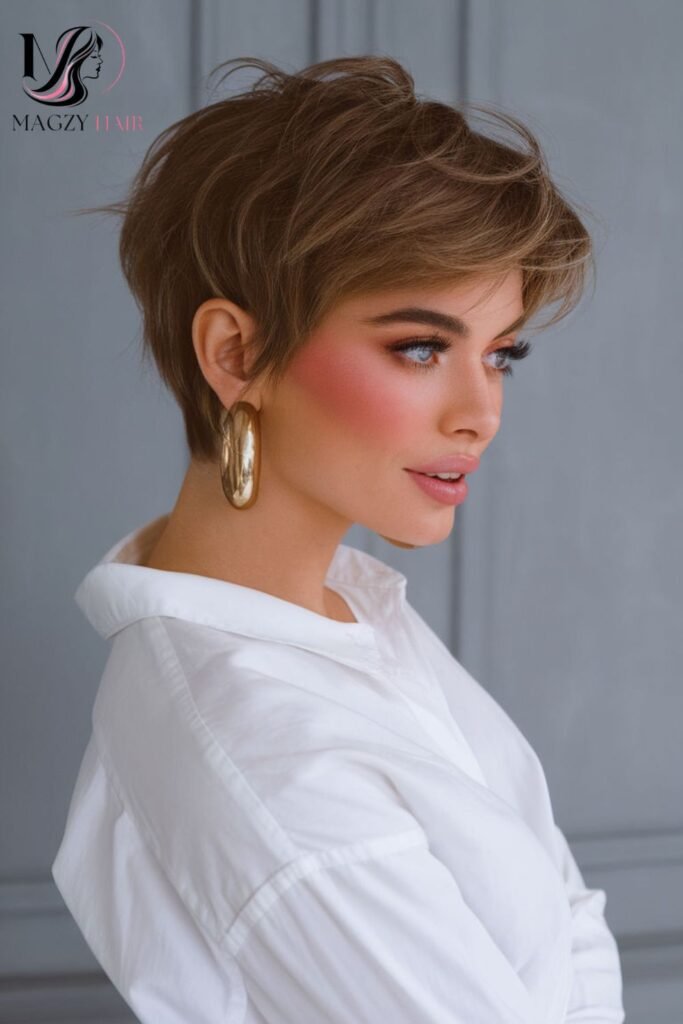
Pixie haircuts for fine hair succeed because they concentrate existing volume into a considerably smaller space, creating the visual effect of increased density without adding any actual hair. Fine hair worn long often looks thin and stringy simply because the same amount of hair has to cover significantly more surface area, spreading whatever natural fullness exists across a much greater length.
This concentration effect matters more for fine hair than for thicker textures, since thicker hair already has enough natural density to look full at longer lengths. Fine hair specifically benefits from this length reduction in a way that isn’t just cosmetic it’s a genuinely practical solution to a real texture challenge many people don’t realize a haircut alone can meaningfully address.
A helpful example: someone with fine, straight hair who has always worn it long often reports their hair “looking thicker” almost immediately after transitioning to a pixie, not because their actual hair density changed, but because the shorter length simply displays the same volume in a considerably more concentrated, visually fuller way.
Beyond this volume benefit, pixie haircuts for fine hair also tend to require less daily styling effort than longer styles on this texture, since fine hair often struggles to hold curls or waves at length but responds considerably better to short, precise shaping that relies on the cut itself rather than extensive styling to create its shape.
Explore More: https://magzyhair.com/auburn-hair-color-ideas/
The Cutting Technique That Makes the Biggest Difference
Achieving genuinely flattering pixie haircuts for fine hair depends considerably more on cutting technique than on length alone, since improperly executed short cuts can actually make fine hair look thinner rather than fuller. Point cutting, rather than heavy thinning shears, tends to work considerably better for this hair type, removing weight gradually from the very ends rather than throughout the entire strand.
This distinction matters significantly because traditional thinning techniques, often used to reduce bulk on thicker hair, can be genuinely counterproductive on fine hair, stripping away density this texture can’t afford to lose. A skilled stylist working with fine hair typically avoids aggressive thinning shears almost entirely, relying instead on precise scissor or razor work concentrated specifically at the ends.
A helpful example: someone with fine hair who receives a pixie cut using techniques better suited to thick hair, including heavy thinning throughout, might find their cut looks considerably sparser than intended, with visible gaps or an overly wispy texture rather than the fuller, more concentrated volume a properly executed fine hair pixie should achieve.
Communicating your hair type explicitly during a consultation, rather than assuming every stylist will automatically adjust technique for fine hair, helps ensure the specific approach used genuinely suits pixie haircuts for fine hair rather than a generic method borrowed from thicker textures.
Textured Crop for Volume Without Sacrificing Density
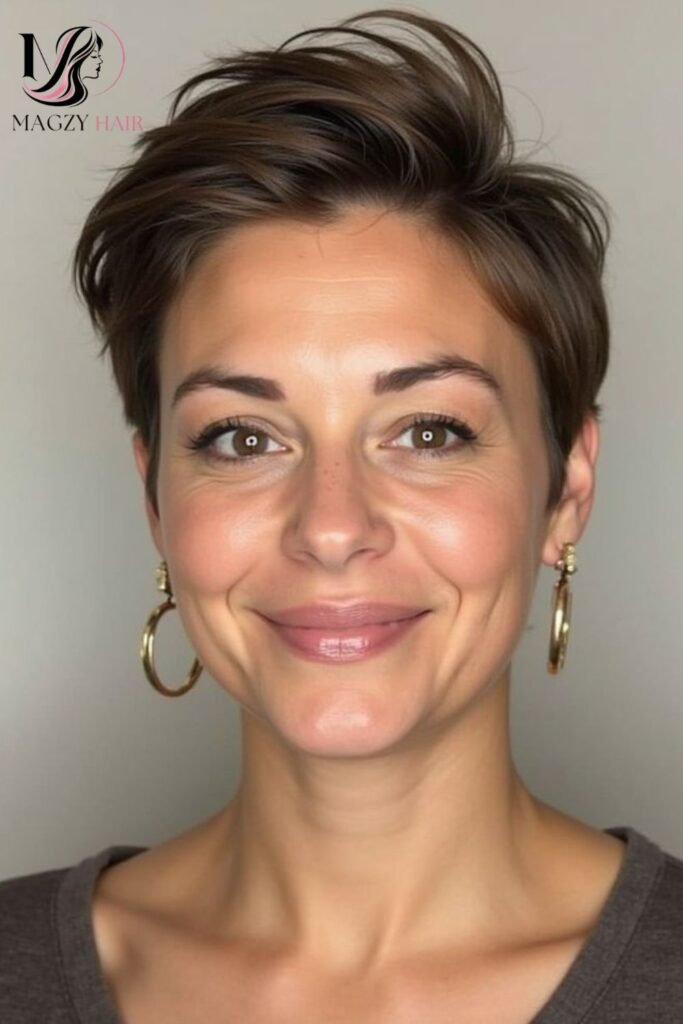
A textured crop offers one of the most effective options among pixie haircuts for fine hair, using strategic, moderate texturizing concentrated primarily at the crown to build visual height and movement without removing excessive density from the rest of the cut. This approach specifically preserves weight where fine hair needs it most while still creating genuine textural interest.
This particular style benefits from careful balance, since too little texturizing can leave the cut looking flat, while too much can create the sparse, thin appearance fine hair specifically needs to avoid. Finding this balance requires a stylist genuinely experienced with fine hair rather than one applying identical texturizing intensity regardless of hair type.
A helpful example: someone with fine hair who requests heavy texturizing throughout, assuming more texture always means more visual interest, might find certain sections looking noticeably thinner than intended. A stylist experienced with fine hair typically concentrates texturizing specifically at the crown and top, where it builds height and volume, while keeping the sides and back comparatively less textured to preserve overall density.
Finishing a textured crop on fine hair typically involves a lightweight texturizing spray rather than heavier pastes, since fine hair can become weighed down considerably faster than thicker textures with the same amount of product.
Longer Pixie for Softer, More Forgiving Styling
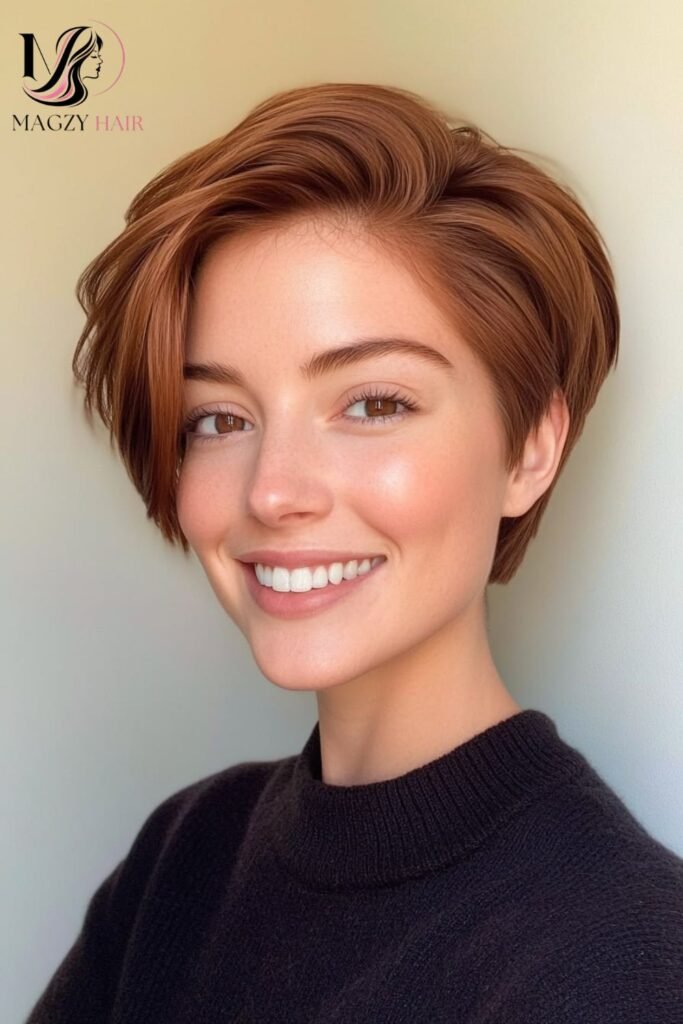
A longer pixie, retaining more length through the crown and front while keeping the sides shorter, offers a genuinely forgiving option among pixie haircuts for fine hair, since the additional length provides more material to work with for building volume through styling. This version tends to be particularly popular for those transitioning into a pixie for the first time.
This length also allows for slightly more styling versatility than the most closely cropped pixie variations, since there’s enough length at the top to create a small amount of directional movement or a subtle side swept effect, options that can be genuinely useful for softening the overall look on fine hair specifically.
A helpful example: someone with fine hair who worries an extremely short, cropped pixie will look too severe or reveal too much scalp might find a longer pixie variation offers a considerably more comfortable transition, since the additional length at the crown provides a buffer that makes the overall style feel softer and more gradual.
Maintenance for a longer pixie tends to be slightly more forgiving than the most closely cropped versions, generally requiring trims every 5–6 weeks, since the additional length provides more room for growth before the cut’s shape becomes noticeably compromised.
Pixie Haircuts for Fine Hair With Bangs
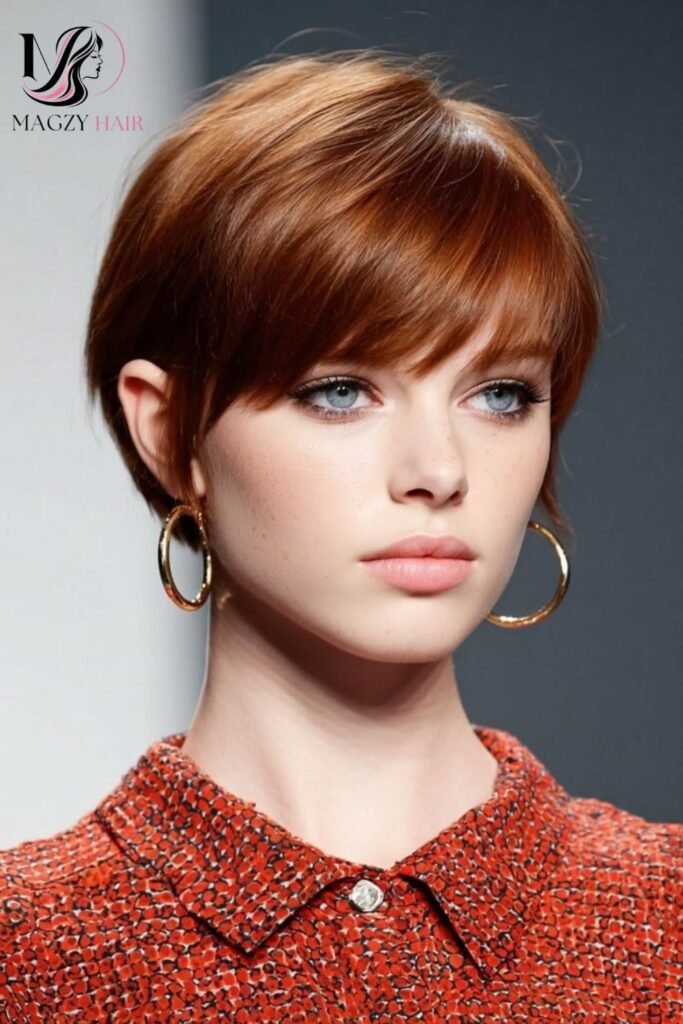
Adding bangs to pixie haircuts for fine hair requires particular attention to avoid creating a sparse, thin looking fringe that undermines the fuller appearance the rest of the cut is working to achieve. Rather than heavily texturized, wispy bangs, a slightly fuller, less thinned bang style tends to work considerably better for this specific hair type.
Curtain bangs, styled to blend into the sides of the pixie rather than sitting as a fully separate, dense section, also work particularly well for fine hair, since this softer approach doesn’t require the same density a full, blunt fringe demands to look intentional rather than sparse.
A helpful example: someone with fine hair who requests heavily texturized, wispy bangs within their pixie might find the fringe looks patchy or insubstantial, particularly compared to the rest of the cut. Opting for a fuller, more lightly textured bang style, or choosing curtain bangs specifically, typically creates a more cohesive, polished overall look for fine hair.
Root lifting techniques applied specifically to the bang section during styling help maintain volume in this smaller, more visible area, since flat, limp bangs can look immediately dated regardless of how well the rest of the pixie was cut.
Choosing the Right Length for Your Specific Pixie Haircuts for Fine Hair Texture
Not all fine hair behaves identically, meaning pixie haircuts for fine hair benefit from length decisions tailored to individual texture variations within this broader category. Fine, straight hair often supports slightly shorter, more cropped pixies better than fine, wavy hair, since straight fine hair tends to lie flatter and can look proportionally fuller at a closer length.
Fine hair with some natural wave or texture, meanwhile, often benefits from a slightly longer pixie variation, since the natural movement this texture provides can help create additional visual volume that a completely straight, fine texture doesn’t offer on its own. This distinction is worth discussing specifically during your consultation.
A helpful example: two people with fine hair one straight, one with a slight natural wave might need genuinely different pixie lengths to achieve an equally flattering, full looking result. The straight haired client might do beautifully with a closer crop, while the wavy haired client might need a bit more length at the crown for her natural texture to fully contribute to the style’s overall volume.
Bringing this level of specific detail about your hair’s exact texture, not just its density, to your consultation helps your stylist make more precisely tailored recommendations for pixie haircuts for fine hair specifically suited to your individual hair characteristics.
Color Techniques That Add the Illusion of Density
Color placement plays a particularly significant role in how pixie haircuts for fine hair read visually, since strategic color can create the appearance of increased density that cutting technique alone sometimes can’t fully achieve. Soft, dimensional highlights or lowlights placed throughout create visual depth and movement, which reads as fuller and more textured than completely flat, single process color.
Avoiding stark, high contrast color placement tends to work better for fine hair specifically, since very bold contrast can sometimes emphasize the scalp showing through in a way that subtler, more blended dimension doesn’t. A colorist experienced with fine hair typically recommends softer, more gradual color transitions rather than dramatic, high contrast placement.
A helpful example: pixie haircuts for fine hair styled with completely flat, single process color often look noticeably less full than the identical cut finished with subtle, dimensional color, since the dimension itself creates the appearance of depth and texture that flat color simply can’t replicate on this particular hair type.
For those with fine, graying hair specifically, soft, blended lowlights can help ease this color transition while still contributing to the overall volume building effect that dimensional color provides for pixie haircuts for fine hair.
Styling Products Specifically Suited to Fine Hair Pixies
Product selection genuinely matters for pixie haircuts for fine hair, since many volumizing formulas marketed broadly can actually weigh down this hair type rather than building the volume they promise. Lightweight mousses and root lifting sprays, applied specifically at the roots rather than throughout the entire cut, tend to work considerably better than heavier styling creams or pastes.
A small amount of texturizing powder, applied specifically at the crown, can also provide meaningful lift and grip for fine hair without the weight heavier texturizing products sometimes carry. This particular product category has become increasingly popular specifically for fine-haired pixie styling, since it builds volume without any greasy or heavy residue.
A helpful example: someone with fine hair using a heavy styling paste designed for thicker, coarser hair textures on their pixie might find their cut looks noticeably flatter and less voluminous than intended, simply due to product weight rather than any issue with the underlying cut. Switching specifically to lightweight, volume focused formulas typically produces considerably better results.
Avoiding daily heavy conditioning specifically on the roots, while still conditioning the ends as needed, also helps prevent the flatness that over conditioning can sometimes cause for fine hair pursuing pixie haircuts specifically.
Blow Drying Techniques to Maximize Volume Pixie Haircuts for fine hair
Blow drying technique significantly affects how full pixie haircuts for fine hair ultimately look, making this daily styling step considerably more important for this hair type than it might be for thicker textures that hold volume more naturally regardless of drying method. Directing airflow against the direction of hair growth, briefly at the roots, before smoothing helps create genuine lift that lasts throughout the day.
A small round brush, used specifically at the crown during blow drying, helps build height and volume in this key area, while a diffuser attachment can help preserve any natural texture fine, wavy hair might have without flattening it the way direct, concentrated airflow sometimes does.
A helpful example: someone who blow dries their fine hair pixie by simply pointing the dryer straight down from above, a common but often counterproductive habit, frequently ends up with flatter results than someone who takes an extra few minutes to direct airflow at the roots specifically, lifting hair away from the scalp before allowing it to fall into its final shape.
Finishing with a brief blast of cool air after the main drying process also helps set the style and maintain volume longer throughout the day, a small technique adjustment that makes a meaningful difference specifically for pixie haircuts for fine hair.
Common Mistakes to Avoid With Pixie Haircuts for Fine Hair
One of the most frequent mistakes is requesting heavy thinning throughout the cut, assuming this technique will add texture and interest the way it might on thicker hair. On fine hair specifically, this approach typically backfires, stripping away density this texture genuinely can’t afford to lose and resulting in a sparser, less full looking pixie than intended.
Another common error involves using volumizing products too heavily or too broadly throughout the hair, rather than concentrating them specifically at the roots where lift matters most. Overloading fine hair with product, even volumizing formulas, can paradoxically weigh it down rather than building the intended fullness.
Skipping regular trims is a mistake with particularly visible consequences for pixie haircuts for fine hair, since this precise, closely shaped cut relies on maintained precision to look intentional. Waiting too long between trims often results in a style that looks considerably less polished and more grown out than intended.
Finally, choosing a stylist without specific experience cutting fine hair pixies can lead to a technique mismatch, since methods that work beautifully on thick or coarse hair often produce disappointing results on fine hair without careful, specific adjustment.
Pixie Haircuts for Fine Hair by Face Shape
Face shape continues to matter significantly when choosing pixie haircuts for fine hair, since this short length draws considerable direct attention to facial features. For round faces, added height at the crown paired with longer, side swept front pieces tends to elongate the face, while a very short, uniformly rounded pixie can sometimes emphasize width.
Square faces generally benefit from pixie haircuts for fine hair featuring soft, textured layers rather than sharp, geometric edges, since gentle movement helps soften a strong jaw without requiring any change to the underlying bone structure itself, a consideration that remains relevant regardless of hair density.
A helpful example: a woman with a round face and fine hair who requests a very short, evenly rounded pixie without additional crown height might find the combination of her face shape and the cut’s shorter length creates more width than intended. Adjusting to include crown height and longer front pieces typically achieves a more balanced, flattering result while still working effectively with fine hair’s specific volume needs.
Consulting with a stylist about specific face shape priorities, alongside the fine hair specific cutting considerations discussed throughout this guide, leads to considerably more personalized, flattering recommendations than addressing either factor alone.
Growing Out a Pixie on Fine Hair
Growing out pixie haircuts for fine hair requires particular strategic planning, since fine hair tends to show awkward, in between growth phases somewhat more visibly than thicker textures that can better disguise uneven lengths. Regular, small trims specifically designed to shape the growing hair, rather than letting it grow entirely untouched, help maintain a more polished appearance throughout the transition.
Strategic layering introduced gradually as the pixie grows can help ease this transition considerably, particularly around the crown and sides where growth often becomes most visually awkward first. A stylist experienced with fine hair typically adjusts this growing out layering specifically to maintain volume throughout the process rather than letting the hair simply become longer and thinner looking.
A helpful example: someone growing out a pixie on fine hair without any interim shaping trims often experiences a particularly challenging transitional phase, since fine hair’s tendency to look sparse becomes especially pronounced during uneven growth stages. Committing to regular, smaller trims throughout the growing out process, rather than avoiding the salon entirely, typically produces a considerably smoother, more flattering transition.
Patience remains essential throughout this process, since fine hair growing from a pixie length typically takes six months to a year to reach a noticeably longer style, depending on individual growth rate and the specific length goal.
Special Occasion Styling for Pixie Haircuts on Fine Hair
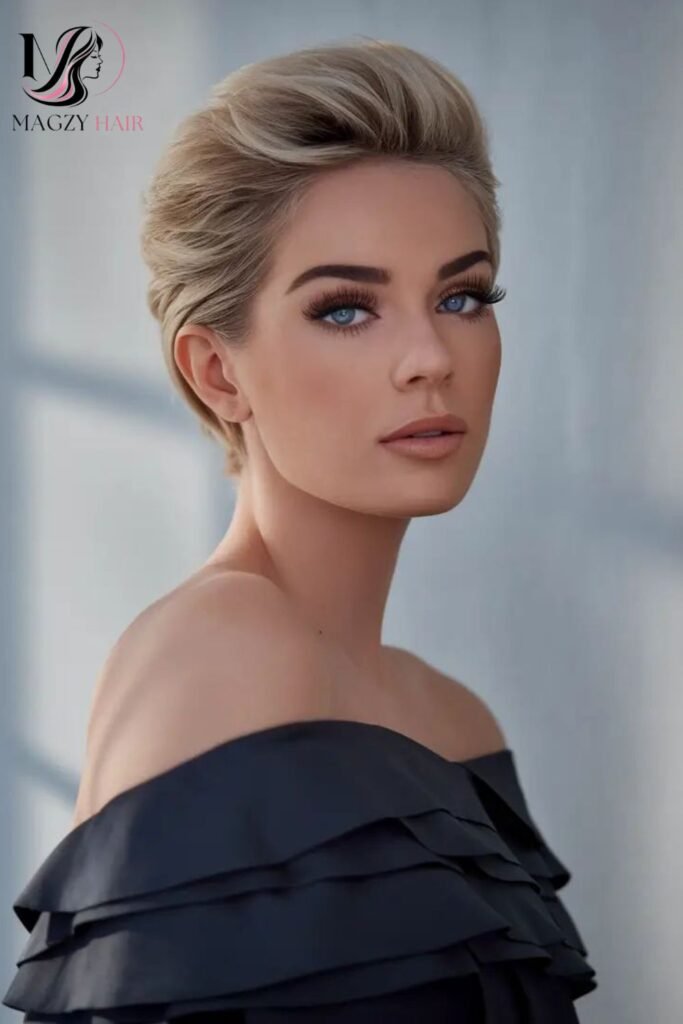
While pixie haircuts for fine hair often shine in their everyday, low maintenance state, this length and texture combination offers genuine versatility for special occasions as well. Adding extra volume through backcombing at the crown, followed by a light hold hairspray, can transform an everyday fine hair pixie into something noticeably more elevated and dramatic for formal events.
Decorative accessories, including small hairpins or delicate clips, offer another accessible way to dress up pixie haircuts for fine hair for special occasions, particularly effective given how directly this short length showcases any added embellishment without competing with significant length or heavy styling.
A helpful example: for a formal event, taking a few extra minutes to add volume specifically at the crown through backcombing, combined with a shine enhancing serum and a strategically placed hairpin, can elevate an everyday fine hair pixie into something considerably more polished and occasion appropriate, without requiring any change to the underlying haircut.
This flexibility between low maintenance daily wear and elevated occasion styling demonstrates why pixie haircuts for fine hair remain such a practical choice, offering genuine versatility despite this hair type’s specific volume challenges.
The Future of Pixie Haircuts for Fine Hair
Pixie haircuts for fine hair continue to benefit from a broader industry shift toward genuinely texture specific cutting education, with more stylists pursuing specialized training in techniques suited specifically to finer hair densities rather than applying generic short haircut approaches originally developed with thicker textures in mind.
Product innovation is also shaping the future of this category, with ongoing advances in lightweight, volume focused formulas designed specifically to address fine hair’s unique needs without the weight or heaviness traditional volumizing products sometimes carried in previous years.
There’s also growing recognition within the industry that fine hair deserves dedicated cutting and styling attention rather than being treated as simply requiring “the same technique, just gentler,” a shift leading to more nuanced, texture specific consultations and recommendations for pixie haircuts for fine hair specifically.
Looking ahead, personalized digital consultation tools, including AI based hair density simulation technology, are beginning to help clients with fine hair preview how different pixie lengths and texturizing approaches might genuinely behave on their specific hair before committing, reducing the trial and error historically associated with finding the right technique for this particular hair type.
Conclusion
Pixie haircuts for fine hair can look genuinely full, dynamic, and effortlessly styled when the cutting technique specifically accounts for this hair type’s need to preserve density rather than remove it. From textured crops to longer variations and face shape specific adjustments, there’s a version suited to nearly every fine hair texture. If you’ve been considering going shorter, use these ideas as a starting point for your next conversation with a trusted stylist.
Ayesha Noor is the founder and lead writer behind Magzy Hair. With 4 years of experience researching hairstyles, hair care, and beauty trends, she enjoys helping readers discover styles that suit their unique personality and lifestyle.


