
Winter Hair Colors for Short Hair: The Complete Guide to Shades and Maintenance

Winter hair colors for short hair benefit from specific consideration that generic seasonal color guides often skip entirely. Because short cuts display the entire color as one concentrated, immediately visible statement rather than graduating it across significant length, shade choice, depth, and finish all matter considerably more than they might on longer hair, where dimension has more room to unfold gradually.
This guide goes beyond a simple list of seasonal shades. It explains why short hair specifically calls for different color placement decisions than longer styles, how to choose a winter shade based on your actual cut and skin undertone, and details most articles skip entirely like why certain rich, deep colors that look stunning as gradual balayage on long hair can look flat or overly solid when applied identically to a pixie or bob. Whether you’re planning a subtle seasonal refresh or a bolder transformation, this is the deeper, more practical guide.
Why Winter Hair Colors for Short Hair Need Different Planning
Winter hair colors for short hair require genuinely different consideration than the same seasonal shades applied to longer styles, since short cuts display color as one immediate, concentrated block rather than allowing it to graduate and reveal itself gradually across significant length the way balayage or ombre techniques typically do on longer hair.
This means techniques that rely heavily on length dependent placement, gradually building color from root to end, don’t translate the same way onto shorter cuts. A colorist working specifically with winter hair colors for short hair needs to think about how the entire visible color will read as a cohesive whole rather than planning a graduated transition that depends on length simply not available at this shorter length.
A helpful example: a deep, rich chestnut brown applied as graduated balayage on long hair creates a soft, sun kissed gradient effect, while the identical color applied to a short pixie reads as one solid, immediate statement, since there’s minimal length for the color to visually transition or lighten toward. Understanding this difference helps set realistic expectations before choosing a specific winter shade for a shorter cut.
Recognizing this distinction before your salon appointment helps you communicate more precisely with your colorist, since winter hair colors for short hair often benefit from techniques specifically adapted for this length, rather than simply requesting the same shade and application method used for longer styles.
Latest Post: https://magzyhair.com/medium-length-hairstyles-for-women-over-40/
Rich Chestnut Brown for Short Cuts

Rich chestnut brown remains one of the most reliably flattering winter hair colors for short hair, delivering warm, deep richness that reads clearly and cohesively even on a closely cropped pixie or short bob. This shade works particularly well precisely because its warmth and depth translate as a solid, immediate statement rather than depending on graduated length to reveal its full effect.
Achieving this shade on short hair typically involves a demi permanent or permanent formula applied evenly throughout, rather than the more graduated techniques longer hair often uses, since short hair’s limited length means even, consistent color distribution matters more than dimensional placement for this particular shade specifically.
A helpful example: someone with a short bob transitioning into winter might find chestnut brown provides an immediate, noticeable seasonal refresh without requiring extensive lightening or processing, since this shade typically works well as an enrichment over most medium to dark natural bases rather than demanding dramatic pre lightening.
Maintenance for chestnut brown on short hair is relatively manageable, though somewhat more frequent than the same shade on longer hair, generally requiring touch ups every 5–7 weeks since regular trims on short cuts naturally remove color at a faster relative rate than longer styles experience.
Deep Espresso for Bold Winter Drama
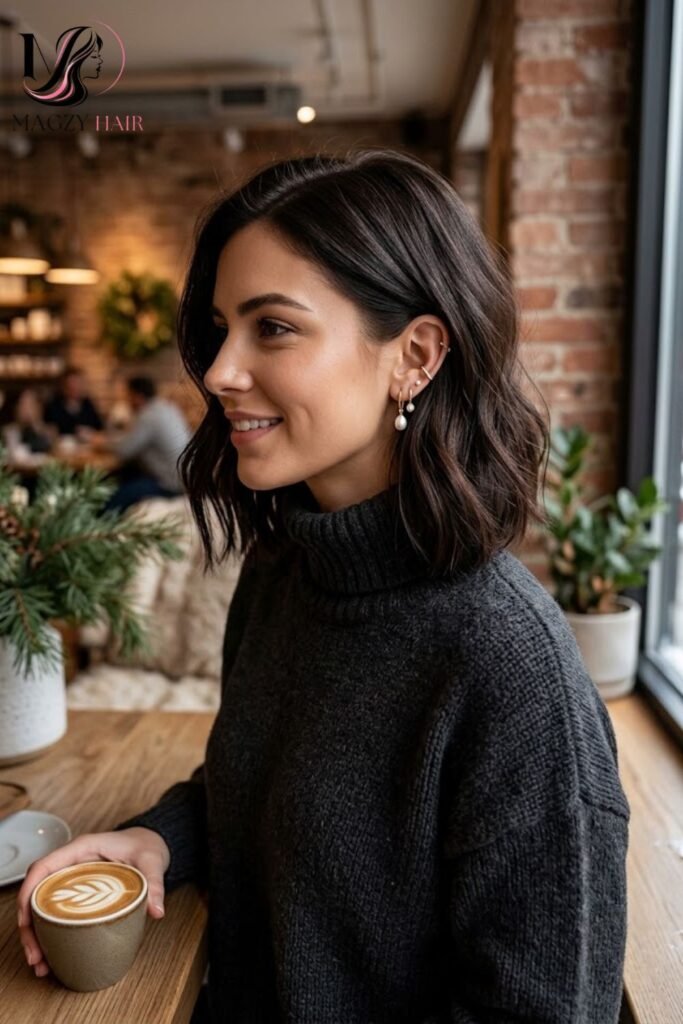
Deep espresso brown offers one of the boldest options among winter hair colors for short hair, delivering a near black, richly warm shade that creates striking, dramatic impact particularly well suited to shorter cuts where the entire color reads as one cohesive, concentrated statement rather than a subtle gradient.
This shade works especially well for pixies and closely cropped styles specifically, since the depth and richness of espresso brown showcases beautifully against the shorter length’s tendency to catch and reflect light differently than longer hair, often creating a particularly glossy, dimensional appearance despite being an essentially solid color throughout.
A helpful example: someone with a textured pixie considering deep espresso brown for winter might find the shade enhances the cut’s inherent texture and movement, since the rich, dark color catches light distinctly across the varied lengths and angles a textured short cut naturally creates, producing genuine dimension without requiring additional highlighting or dimensional techniques.
Maintenance for deep espresso on short hair generally requires gloss touch ups every 6–8 weeks to maintain shine and prevent the color from looking flat or dull over time, particularly important given how directly this rich, dark shade shows any loss of vibrancy on a shorter length.
Winter Hair Colors for Short Hair: Cool Ash Tones
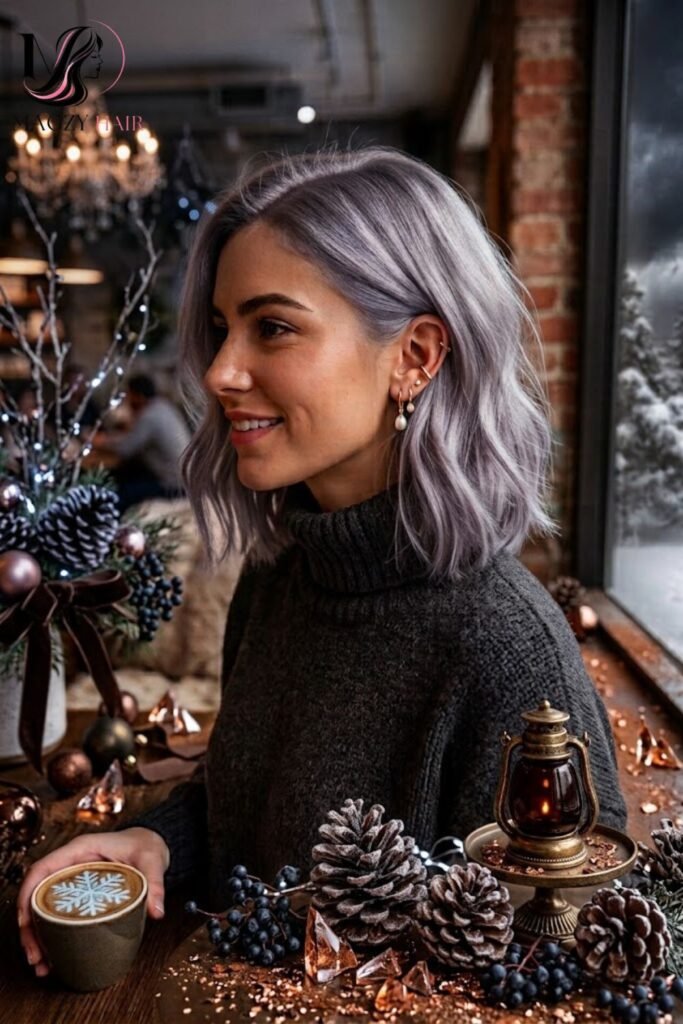
Cool, ash toned shades offer a genuinely striking option among winter hair colors for short hair, delivering a smoky, sophisticated finish that reads with particular clarity on shorter cuts, where the absence of warm undertones creates a cohesive, immediately visible cool effect rather than requiring length to fully express its intended tone.
This color family tends to work especially well on precise, structured short cuts like a blunt bob or sharply defined pixie, since the clean, cool tone complements rather than competes with the geometric precision these particular cuts often rely on for their overall visual impact.
A helpful example: someone with a sharply cut, blunt bob might find ash brown or ash blonde particularly striking for winter specifically, since the cool tone’s smoky quality pairs beautifully with the cut’s clean lines, creating a cohesive, editorial feeling overall look that warmer tones might not achieve to the same degree on this particular cut style.
Maintenance for ash tones on short hair requires attention to toning specifically, since warmth can develop relatively quickly, particularly on shorter cuts where frequent washing and styling accelerate this natural color shift. Purple or blue toning products used regularly help maintain the intended cool effect between salon visits.
Winter Hair Colors for Short Hair: Rich Burgundy and Plum
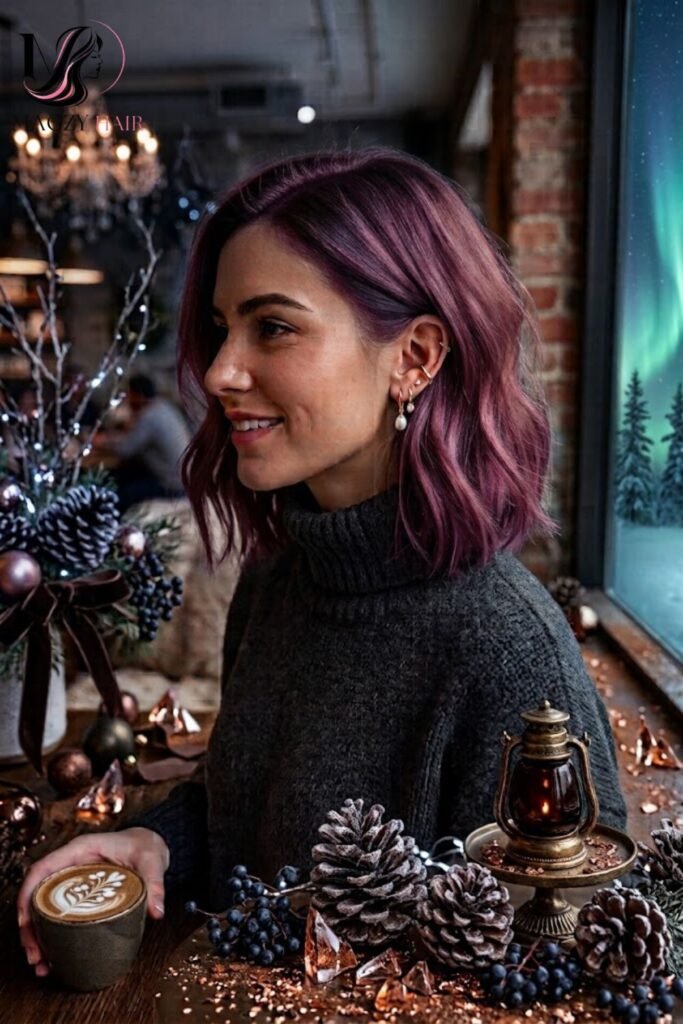
Rich burgundy and plum tones bring bold, seasonally appropriate drama to winter hair colors for short hair, delivering a deep, wine toned richness that reads particularly well on shorter cuts, where the color’s full depth and intensity become immediately apparent without needing significant length to fully develop its visual impact.
This shade family works especially well for those wanting their short hair color to feel like a genuine style statement for the season, since burgundy and plum carry enough distinctiveness to feel intentionally seasonal without straying into territory that might feel overly costume like or difficult to wear in everyday settings.
A helpful example: someone with a short, textured shag might find deep plum particularly striking for winter, since the cut’s inherent movement and texture allow the rich color to catch light distinctly across different sections, creating genuine dimension and visual interest despite the color itself being applied relatively uniformly throughout.
Maintenance for burgundy and plum tones on short hair tends to be more intensive than some other winter shades, since red based pigments generally fade faster than brown based ones, making color depositing conditioners and glosses genuinely valuable tools for maintaining vibrancy between full color appointments.
Winter Hair Colors for Short Hair: Icy Platinum

Icy platinum offers one of the most striking, high impact options among winter hair colors for short hair, delivering a nearly white cool finish that pairs particularly dramatically with shorter, more structured cuts, where the stark, cool tone creates genuine visual impact against winter’s typically darker, moodier seasonal wardrobe palette.
This shade requires considerable pre lightening on most natural hair colors, meaning short hair specifically transitioning to icy platinum for winter should expect a multi session process rather than a single dramatic transformation, particularly if starting from a medium to dark natural base color.
A helpful example: someone with a pixie cut considering icy platinum for winter should realistically expect at least two to three salon sessions to reach this pale, cool base safely, since rushing the lightening process significantly increases breakage risk, particularly concerning given how directly any resulting damage would show on such a short, precisely cut style.
Maintenance for icy platinum on short hair is genuinely intensive, requiring purple or blue toning treatments every 7–10 days to prevent warmth from developing, a commitment worth weighing carefully against this shade’s undeniable seasonal visual impact before committing to the process.
Winter Hair Colors for Short Hair for Warm Skin Undertones
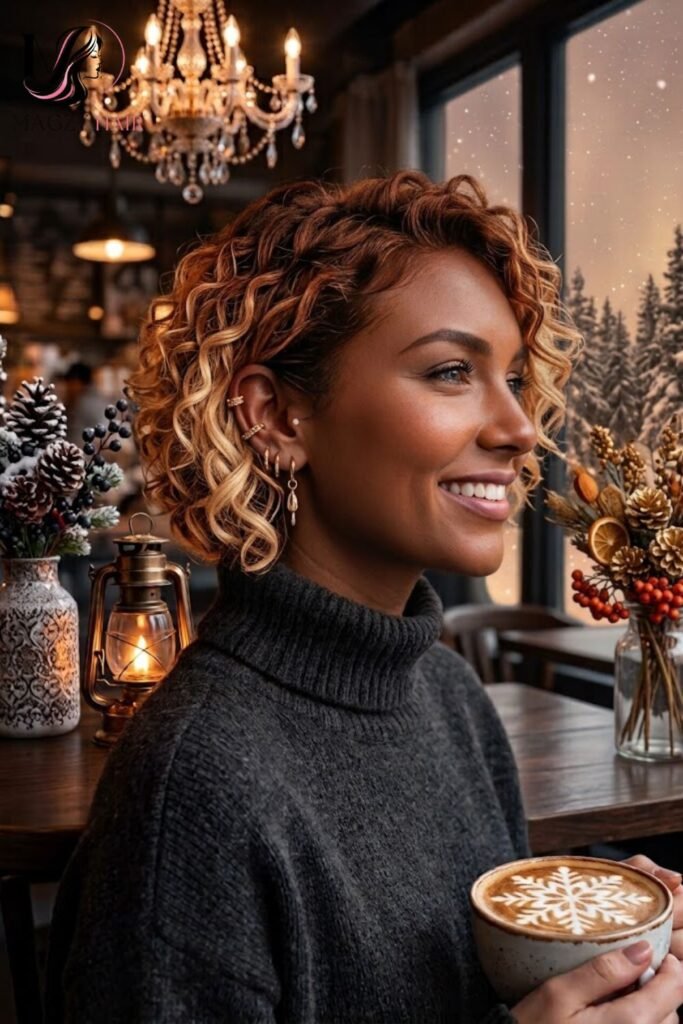
Choosing the right winter shade depends significantly on skin undertone, a consideration that matters just as much for short hair as any other length. Warm toned skin, carrying golden or peachy undertones, generally pairs beautifully with rich chestnut, warm espresso, or deep copper adjacent winter shades, since these tones complement rather than compete with the skin’s natural warmth.
For warm undertones specifically, avoiding overly ashy or stark cool tones tends to produce more flattering results, since these cooler shades can sometimes create an unflattering contrast against warmer skin rather than the cohesive, harmonious effect richer, warmer winter colors typically achieve for this particular undertone.
A helpful example: someone with warm, golden undertones might find that rich chestnut or deep espresso brown makes their complexion appear more radiant and healthy looking for winter specifically, while the same person choosing a very ashy, cool toned shade might find their skin appears slightly duller by comparison, a meaningful reason to prioritize undertone consideration over trend photos alone.
Consulting with a colorist about your specific undertone, rather than simply requesting a shade based on a photo, helps ensure your chosen winter hair color for short hair genuinely flatters your natural coloring rather than working against it.
Winter Hair Colors for Short Hair for Cool Skin Undertones
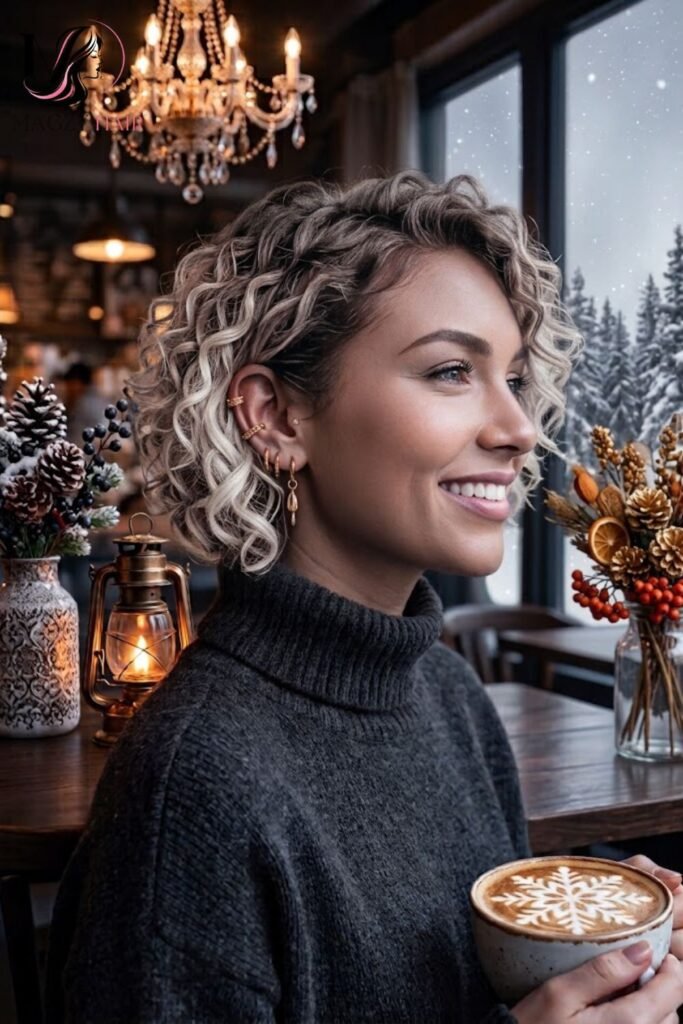
Cool toned skin, generally featuring pink or blue undertones, pairs particularly well with ash brown, cool espresso, or deep burgundy winter shades, since these cooler tones complement rather than clash with the skin’s natural coolness, creating a cohesive, flattering overall effect specifically suited to this undertone category.
For cool undertones specifically, very warm, orange heavy shades can sometimes create an unflattering contrast, making a slightly cooler or more neutral winter color choice generally more successful than leaning into intensely warm, golden based tones that might work better on warmer undertones.
A helpful example: someone with cool, pink toned skin who chooses a very warm, golden brown winter shade might find the color makes their complexion look slightly sallow or mismatched, while the same person choosing a cooler toned chestnut or ash brown typically achieves a considerably more harmonious, flattering result for their specific undertone.
Even within cool undertones, some flexibility exists depending on eye color and personal style preferences, meaning a consultation considering these individual factors alongside undertone leads to more personalized, satisfying winter hair color results for short hair specifically.
Winter Hair Colors for Short Hair on Curly or Textured Hair
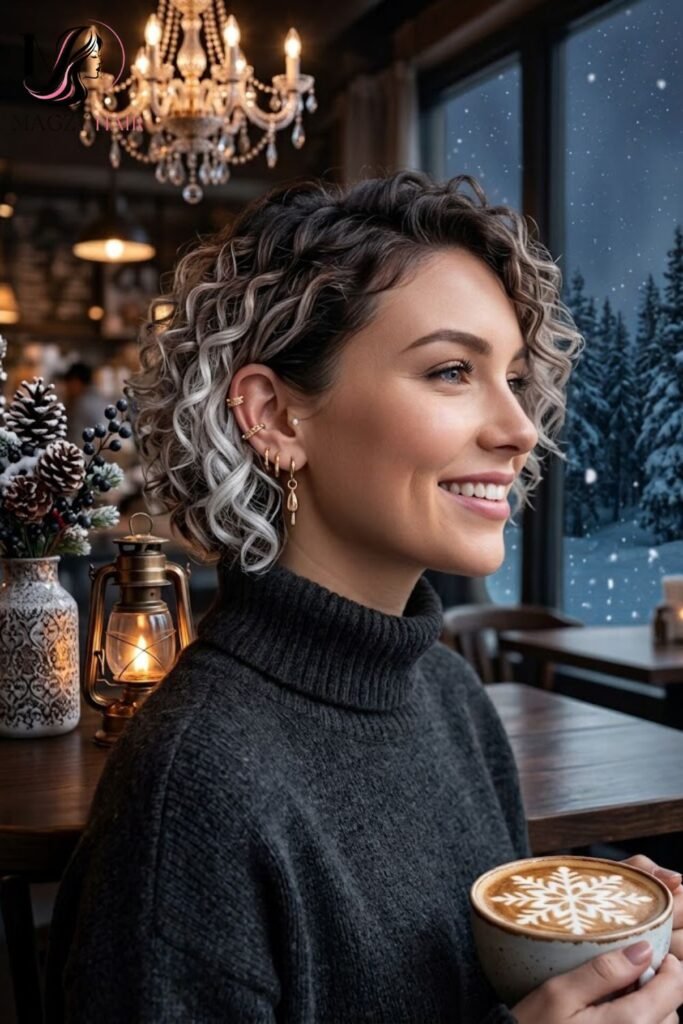
Curly and textured short hair interacts distinctly with winter hair colors, since curl pattern creates considerably more light catching surface area than straight hair, often making rich, deep winter shades appear even more dimensional and vibrant once applied, compared to how the same formula might read on straight, short hair.
This means colorists sometimes use slightly different formulation approaches for curly, textured short hair specifically, since the curl pattern itself provides visual dimension that straight hair typically requires more dramatic color placement techniques to achieve, allowing for potentially more solid, uniform color application while still producing genuinely dynamic, multidimensional results.
A helpful example: someone with a curly, short pixie choosing deep chestnut brown for winter might find the color reads as considerably richer and more dimensional than the identical shade would on straight, short hair, since the curl pattern’s natural light catching quality enhances the color’s depth and visual interest throughout the style.
Maintenance for curly, textured winter hair colors requires particular attention to moisture, since the combination of curl texture and color processing can leave hair more prone to dryness, making regular deep conditioning especially important for maintaining both curl definition and color vibrancy throughout winter.
How Hair Cut and Texture Affect Color Application
The specific short haircut and its texture genuinely affects how winter hair colors for short hair should be approached, since a sleek, blunt bob displays color considerably differently than a heavily textured, choppy pixie, even when using the exact same shade and formula throughout the application process.
Blunt, smooth cuts tend to showcase color as a solid, cohesive block, making shade selection and even application particularly important, since any inconsistency becomes immediately visible against the cut’s clean, uniform lines. Textured, choppy cuts, by contrast, can accommodate slightly more variation in application, since the cut’s inherent movement helps disguise minor unevenness.
A helpful example: a colorist applying deep burgundy to a sleek, blunt bob needs to prioritize genuinely even, consistent saturation throughout, since any patchiness would be immediately obvious against the cut’s smooth lines, while the same colorist applying an identical shade to a heavily textured shag has somewhat more flexibility, since the cut’s natural movement and separation help disguise minor application inconsistencies.
Discussing your specific cut’s texture and structure alongside your desired winter shade helps your colorist plan an application approach genuinely suited to how your particular haircut will display the finished color.
Maintaining Winter Hair Colors on Short Hair
Maintaining winter hair colors for short hair requires somewhat more frequent attention than the same colors on longer hair, since regular trims necessary for maintaining a short cut’s shape naturally remove colored hair at a faster relative rate, meaning touch up schedules often need to be somewhat more frequent to keep the overall color looking fresh and even.
Color depositing shampoos and conditioners specifically formulated for your chosen shade help extend vibrancy between full color appointments, a particularly valuable maintenance tool for short hair specifically, since there’s less length for slight fading to blend gradually and less noticeably compared to longer styles.
A helpful example: someone maintaining a deep chestnut brown on a short bob might find that combining regular trims with color depositing conditioner used weekly helps the shade stay considerably more consistent and vibrant between full salon color appointments, compared to relying on salon visits alone without any complementary at home maintenance routine.
Weekly deep conditioning also remains valuable for maintaining winter hair colors on short hair, since color processing can leave hair more prone to dryness, and well conditioned hair generally holds and reflects color considerably better than dry, under conditioned hair regardless of the specific shade chosen.
Common Mistakes to Avoid With Winter Hair Colors for Short Hair
One frequent mistake is choosing a winter shade based purely on how it looks in photos of longer hair, without accounting for how the same color will read differently once applied to a considerably shorter length, where graduated, dimensional techniques translate quite differently than on hair with significant length to work with.
Attempting dramatic color changes, particularly significant lightening for shades like icy platinum, in a single session on short hair remains another common error, since the reduced length means any resulting damage or unevenness becomes immediately and obviously visible, making gradual, multi session approaches genuinely worthwhile despite requiring more patience.
Neglecting more frequent maintenance scheduling is a frequently overlooked issue specific to short hair, since regular trims remove color faster relative to overall length than they do on longer styles, meaning touch up schedules planned for longer hair often don’t translate appropriately to shorter cuts without adjustment.
Finally, choosing a shade without considering personal skin undertone remains a commonly repeated mistake across all hair lengths, though it becomes particularly consequential for short hair specifically, since the color reads as such an immediate, concentrated statement that any undertone mismatch becomes considerably more noticeable than it might on longer, more graduated color placement.
The Future of Winter Hair Colors for Short Hair
Winter hair colors for short hair continue to evolve alongside broader industry advances in personalized, skin tone specific formulation technology, with colorists increasingly customizing seasonal shades to individual undertones rather than applying generic winter color trends uniformly across different skin tones and complexions.
There’s also growing recognition within the industry that short hair genuinely requires distinct color application techniques rather than simply scaled down versions of longer hair methods, leading to more specialized training and consultation approaches specifically addressing how color reads differently on shorter, more concentrated lengths.
Gentler, less damaging lightening formulations continue advancing as well, making dramatic winter shade transformations like icy platinum increasingly achievable with somewhat less cumulative damage than older techniques required, a genuinely valuable development given how visibly any damage shows on shorter, more precisely cut styles.
Looking ahead, personalized digital consultation tools, including AI based color simulation technology specifically calibrated for shorter haircuts, are beginning to help clients preview how different winter shades might genuinely look on their specific cut and texture before committing, reducing the trial and error historically associated with seasonal color changes on short hair.
Conclusion
Winter hair colors for short hair offer a genuine opportunity to make a bold, seasonally appropriate statement, provided the shade and application technique are specifically chosen with shorter length in mind. From rich chestnut and deep espresso to icy platinum and bold burgundy, there’s a winter shade suited to nearly every skin tone and cut style. If you’ve been considering a seasonal refresh, use these ideas as a starting point and talk to a trusted colorist about the winter shade that fits your short hair best.
Ayesha Noor is the founder and lead writer behind Magzy Hair. With 4 years of experience researching hairstyles, hair care, and beauty trends, she enjoys helping readers discover styles that suit their unique personality and lifestyle.


