Layered Haircuts for Long Hair: The Complete Guide to Movement, Shape, and Technique

Layered haircuts for long hair solve a problem completely uncut, one length hair inevitably runs into: significant length carries real weight, and that weight pulls hair flat, heavy, and increasingly shapeless the longer it grows. Layering redistributes this weight strategically, creating movement, shine, and dimension that one length hair simply can’t achieve on its own. However, where those layers begin and how they’re cut matters enormously, since layering technique varies considerably depending on hair density, texture, and the specific look you’re after.
This guide goes beyond a simple gallery of layered haircuts for long hair. It explains how layer placement, cutting angle, and technique all interact with hair texture and density, along with details most articles skip entirely like why the same “long layers” request can produce dramatically different results depending on where the first layer starts, and why certain layering techniques genuinely work better for specific hair types than others. Whether you’re adding layers to existing long hair or planning a full cut from scratch, this is the deeper, more practical guide.
Why Layered Haircuts for Long Hair Need Precise Placement
Layered haircuts for long hair require more precise planning than layering shorter styles, largely because length itself amplifies the visual effect of any layering decision. A layer placement that would barely register on shoulder length hair can create dramatically different movement, volume, or shape once that same technique is applied across considerably more length.
This distinction matters because it directly affects how a stylist should approach where the first layer begins and how gradually subsequent layers should build. Starting layers too high, close to the crown, can create excessive, sometimes unwanted volume at the top with too little length below to balance it, while layers concentrated only at the very ends may not address the heaviness that builds through the mid lengths on genuinely long hair.
A helpful example: someone who requests “long layers” without specifying where they should begin often ends up with results that don’t match their expectations, since this general phrase leaves enormous room for interpretation between subtle, barely there movement and dramatic, face framing layers starting at the cheekbone. Bringing a clear reference photo and discussing exactly where you want layers to start helps ensure layered haircuts for long hair achieve your intended result rather than a stylist’s own interpretation.
Because significant length also means substantially more hair overall, layered haircuts for long hair typically require more time in the chair and more careful sectioning than shorter cuts, since maintaining even layer progression across greater length demands additional precision.
Read More: https://magzyhair.com/medium-length-layered-haircuts/
Long Face Framing Layers
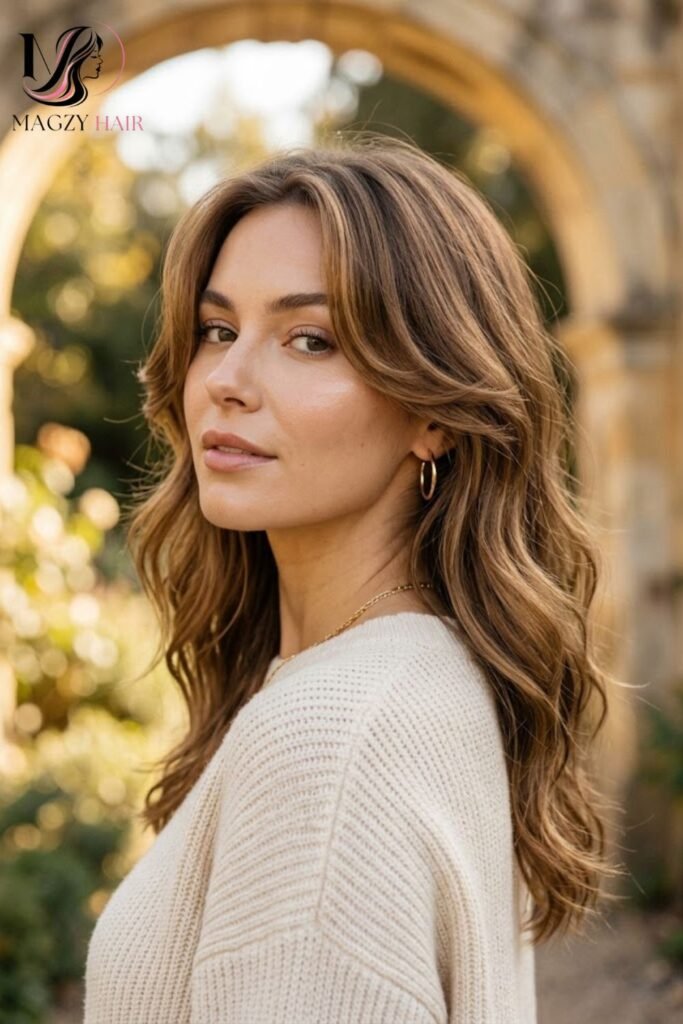
Face framing layers remain one of the most requested layered haircuts for long hair, introducing movement specifically around the face without requiring extensive layering throughout the entire length. These targeted layers typically start around the cheekbone or chin and blend gradually into the surrounding length, drawing attention toward the eyes and softening the overall facial appearance.
This technique proves particularly valuable because it delivers meaningful visual impact exactly where it matters most, near the face, without the more significant texturizing an all over layered approach would involve. This makes it an excellent option for those wanting a subtle refresh to long hair they already love rather than a dramatic overall change.
A helpful example: someone with a long, one length style who feels their current cut looks slightly flat or heavy near the face might find that adding just face framing layers, without altering overall length, creates a noticeably softer, more dynamic appearance. This lower commitment update often satisfies the desire for change without requiring a complete overhaul among layered haircuts for long hair.
Maintenance for face framing layers is relatively minimal, since only the shorter, framing pieces need occasional trimming to maintain their shape, while the rest of the length can grow out more freely between full haircut appointments.
Long Layered Shag

The long shag brings choppy, textured layers throughout significant length, creating one of the more dramatic, energetic options among layered haircuts for long hair. This style directly counteracts the weight related flatness that naturally develops as hair grows longer, since the choppy layering interrupts the smooth, heavy surface uncut length otherwise creates.
Where the shortest layers begin makes a meaningful difference in how this style ultimately performs on long hair specifically. Starting them around cheekbone level, rather than too close to the crown, allows the shag’s texture to blend naturally into the length below, rather than creating an abrupt, disconnected section that stands apart from the rest of the hair.
A mini scenario worth noting: someone with looser, subtler waves who requests a heavily choppy shag without discussing texture might end up with a result that looks slightly sparse or overly piece-y, since looser wave patterns don’t fill in choppy layers the same way tighter waves or straighter hair sometimes do. Communicating your specific hair texture alongside the shag request helps a stylist calibrate this particular option among layered haircuts for long hair appropriately.
This style also tends to require less daily styling effort than smoother, more polished layered options, since the built in texture already provides movement that sleeker cuts typically require additional tools to achieve.
Feathered Long Layers for Softness
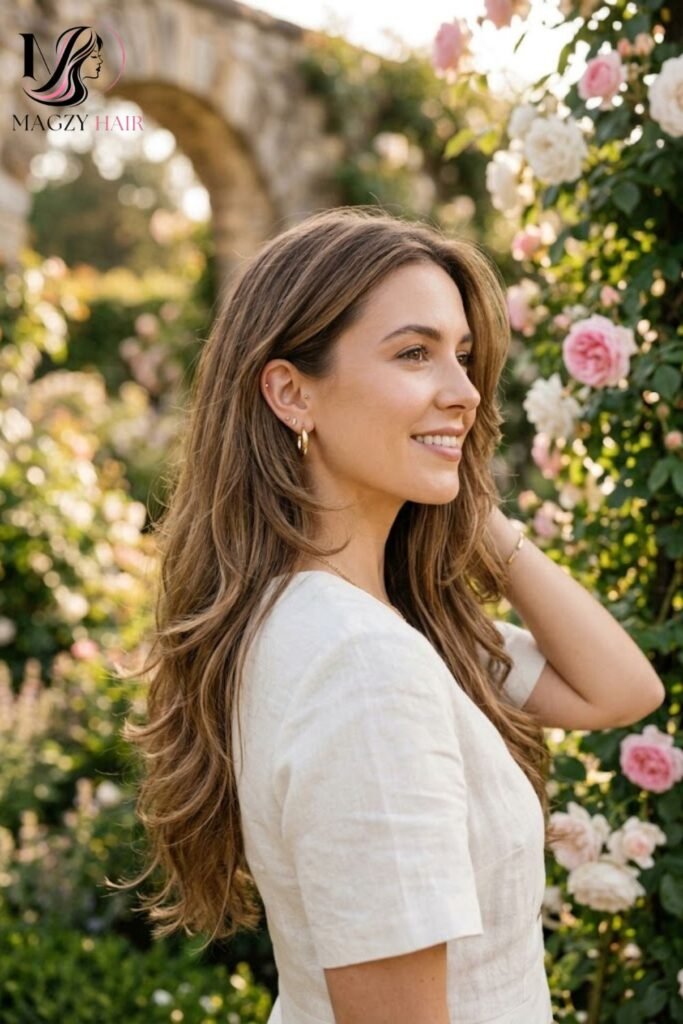
Feathered layers use fine, closely blended cutting throughout long hair to create an especially soft, airy texture, distinguishing this approach among layered haircuts for long hair from choppier, more distinct layering techniques like the shag. This softer blending avoids the harsher, more graphic lines bolder layering creates, resulting in gentle, natural looking movement throughout significant length.
This technique requires considerable skill and precision, since feathered layers rely on subtle, closely spaced cutting rather than dramatic, obvious sections, and executing this consistently across long hair’s greater overall length demands more time and careful attention than the same technique on shorter hair.
A helpful example: someone drawn to the movement layered cuts provide but hesitant about a bolder, more textured look might find feathered layers offer a gentler middle ground, providing meaningful lift and movement without the more graphic, piece-y appearance choppier layered haircuts for long hair sometimes have. This distinction is worth discussing directly with your stylist during a consultation.
Styling feathered layers typically requires minimal product, since the soft, blended texture already provides natural looking movement across the length, making this one of the more effortless options among layered haircuts for long hair.
Long Layers With Curtain Bangs

Pairing long layers with curtain bangs creates one of the most consistently popular layered haircuts for long hair, combining face framing movement at the front with layering that extends through the rest of the length, creating a cohesive, softly framed overall silhouette.
This particular combination works especially well because curtain bangs are, by design, meant to blend into the surrounding hair rather than stand apart from it, making them naturally compatible with layered length in a way a blunt, straight across fringe sometimes isn’t. The gradual, swept back shape echoes the same soft movement layering already creates throughout the rest of the cut.
A helpful example: someone with long, layered hair considering bangs for the first time often finds curtain bangs the easier, lower commitment starting point, since they can be styled back and blended into the rest of the length on days when a fuller fringe look isn’t wanted. This flexibility makes curtain bangs one of the more practical additions to layered haircuts for long hair for testing a new look.
Styling curtain bangs typically involves a lightweight cream applied while damp, then blow drying with a round brush to create the soft, swept back shape that defines this particular combination.
Velvet or Butterfly Layers
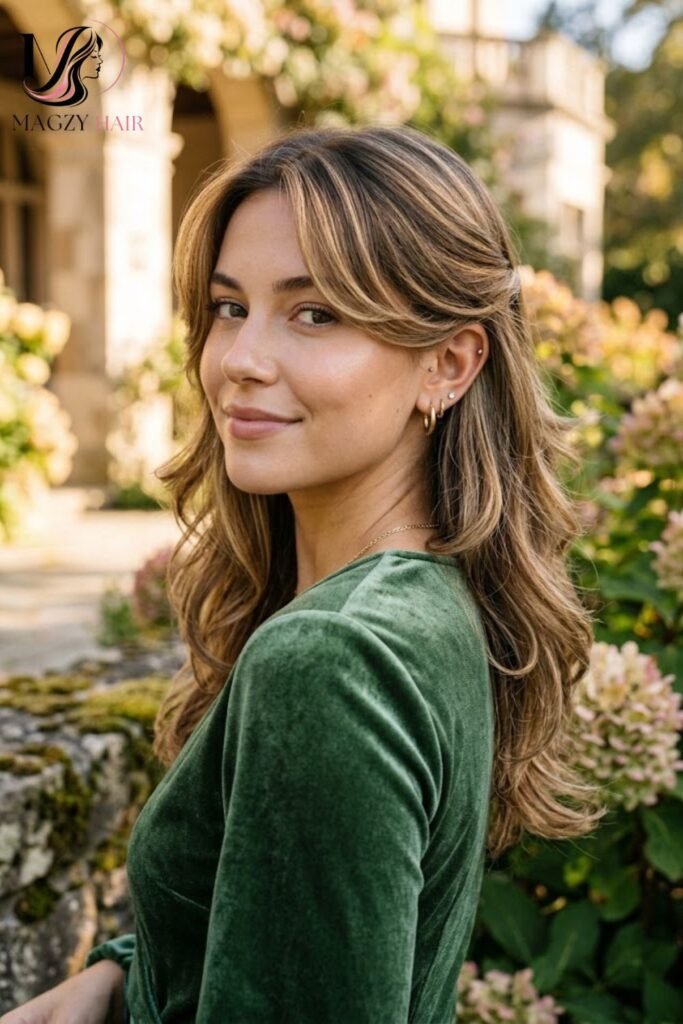
Velvet layers, sometimes called butterfly layers, refer to a specific, dramatically layered technique creating maximum movement and bounce throughout long hair, using shorter, more concentrated layering at the crown that blends into longer length below, producing a rounded, voluminous silhouette when styled.
This particular technique among layered haircuts for long hair requires precise, symmetrical cutting to achieve its signature bouncy, rounded shape, since uneven layer distribution can create a lopsided or unintentionally choppy result rather than the smooth, voluminous movement this style depends on.
A helpful example: someone requesting this specific technique without a stylist genuinely familiar with the precise cutting method might receive a more generic long layered cut that doesn’t achieve the same dramatic bounce and rounded volume this particular viral style is known for. Seeking a stylist who specifically demonstrates experience with this technique helps ensure this particular option among layered haircuts for long hair achieves its intended dramatic effect.
Styling this cut typically involves blow drying with a large round brush, rolling sections under to enhance the rounded shape the layering was specifically designed to create.
Long Layers With a Money Piece Highlight
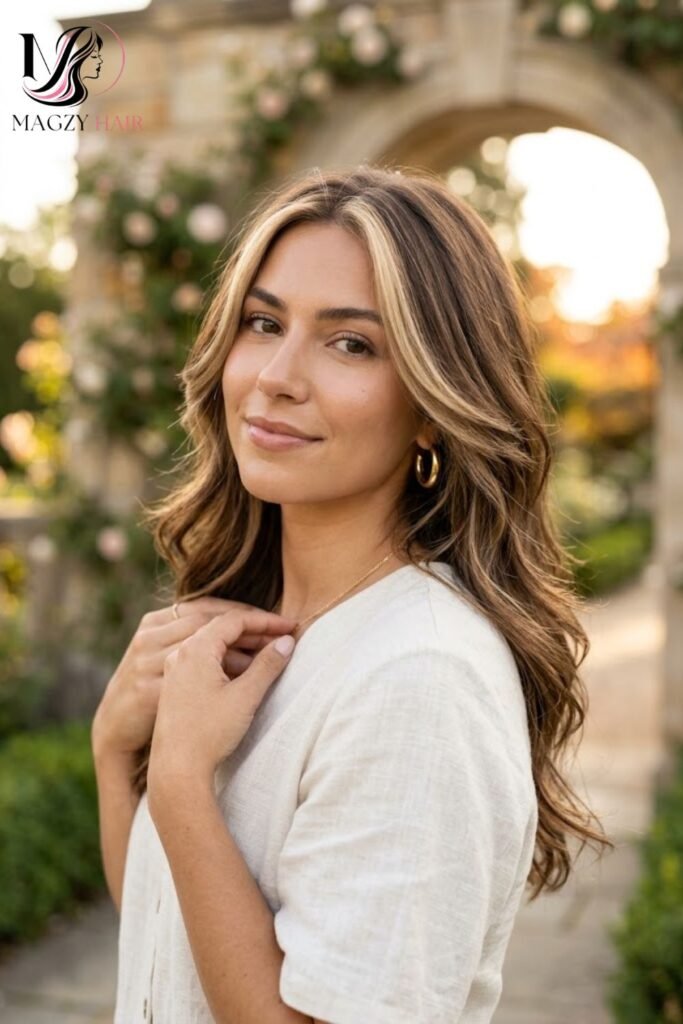
Combining long layers with money piece highlighting, bright, face framing color concentrated right at the front hairline, enhances the visual movement layering already creates, since the lighter color draws additional attention to exactly the area where face framing layers already introduce meaningful movement.
This particular pairing works because the highlighted pieces catch and reflect light differently than the surrounding hair, making the layering’s inherent movement even more visually apparent than layering alone would achieve, essentially using color to amplify a cutting technique already in place.
A helpful example: someone with long, layered hair styled with flat, single process color often looks noticeably less dimensional than the identical cut finished with strategic highlighting, even though the underlying cutting technique is exactly the same. The color simply reveals and enhances the layering’s inherent movement more effectively, which is why many stylists recommend discussing color alongside layered haircuts for long hair from the very beginning.
Maintenance for this color technique generally requires touch ups every 8–10 weeks, though the graduated, face framing placement tends to grow out more gracefully than an all over color change would.
Choppy Long Layers for Bold Texture
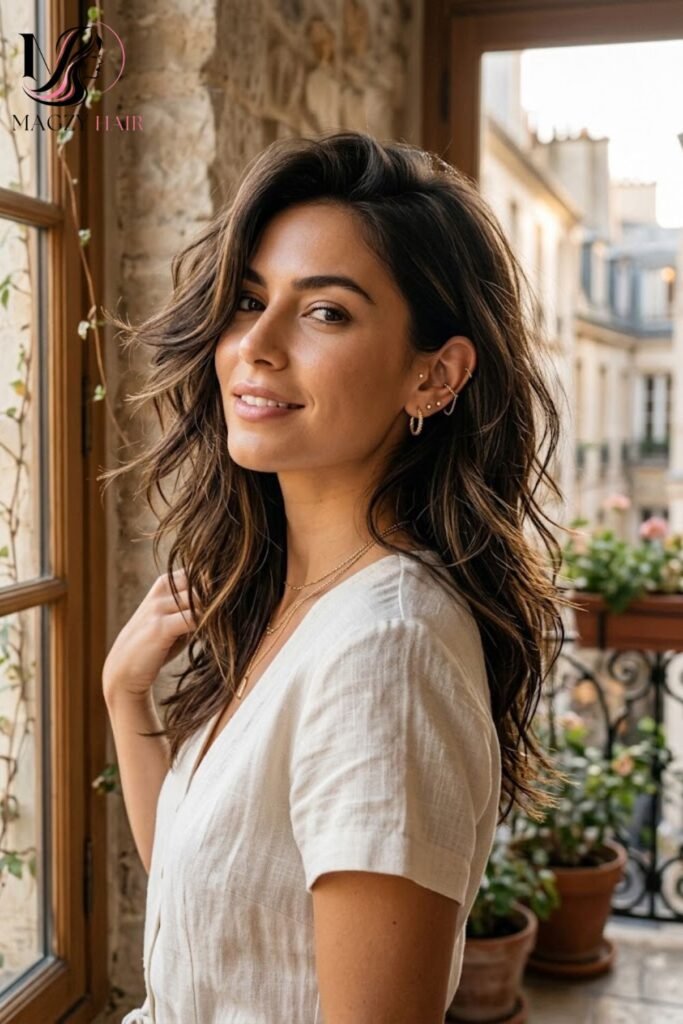
Choppy long layers use more dramatic, obvious texturizing than a softer, feathered approach, creating bolder, more graphic movement among layered haircuts for long hair. This particular technique tends to appeal to those wanting their long hair to feel more current and editorial rather than purely classic and smooth.
Achieving genuine choppiness, rather than accidentally uneven results, requires controlled point cutting or razor work applied with specific intention, distinguishing a well executed choppy layered cut from one that might simply look unevenly trimmed rather than deliberately textured.
A helpful example: someone requesting choppy layers from a stylist unfamiliar with intentional texturizing techniques might end up with a result that reads as accidentally uneven rather than deliberately edgy, since achieving genuine choppiness depends heavily on controlled technique rather than simply cutting unevenly. Seeking a stylist who specifically discusses point cutting or razor techniques during the consultation helps avoid this common outcome among layered haircuts for long hair.
This style also tends to work particularly well on thicker hair specifically, since there’s enough density to support the more dramatic texturizing without the ends looking overly sparse.
Long Layers for Thick, Dense Hair
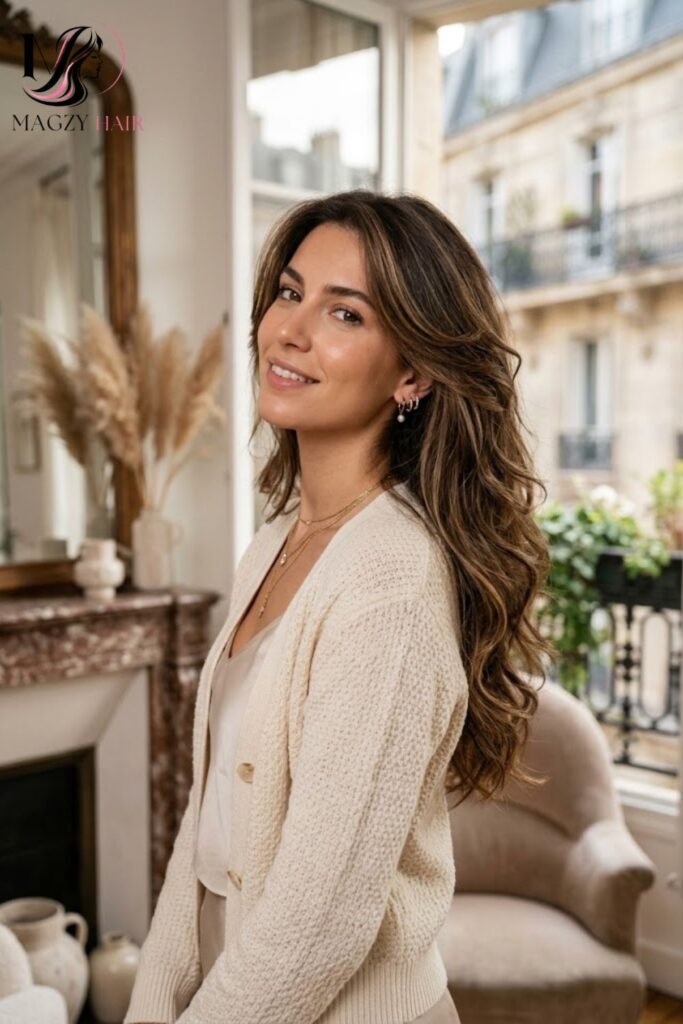
Among layered haircuts for long hair, thick hair specifically benefits from more strategic, sometimes more aggressive layering than finer hair would require, since there’s ample density to layer through without the ends looking sparse or thin, making this hair type especially well suited to dramatic texturizing techniques.
Slide cutting and heavier point cutting techniques prove particularly valuable for thick, long hair, since these methods remove weight gradually while creating movement, preventing the harsh, blocky sections that can occur when thick hair isn’t properly thinned alongside the layering process.
A helpful example: someone with very thick, coarse hair requesting long layers without proper thinning alongside the layering technique often ends up with a heavy, wide shape that doesn’t move naturally, regardless of how much layering is applied throughout the length. Clearly communicating hair density during a consultation helps ensure appropriate thinning techniques are applied alongside layering among layered haircuts for long hair suited to this particular texture.
Styling thick, layered long hair generally requires less volumizing product and more focus on frizz control and smoothing, since natural density typically provides sufficient fullness without additional help.
Long Layers for Fine, Thin Hair
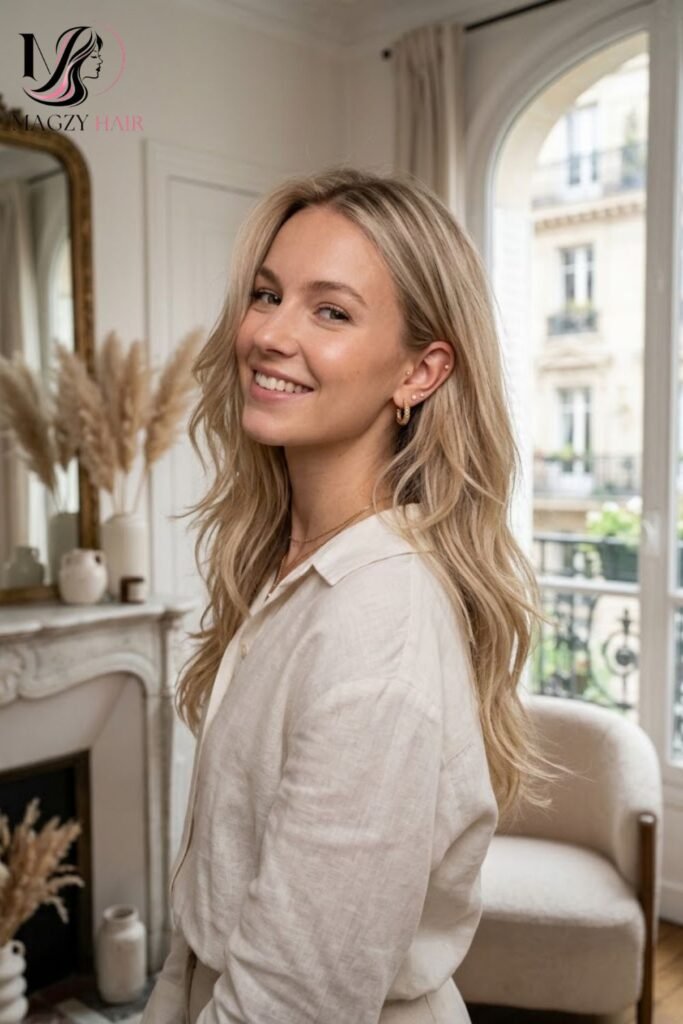
Fine hair requires a genuinely different layering approach among layered haircuts for long hair, since heavy, aggressive texturizing can sometimes create sparse, wispy ends that emphasize thinness rather than disguising it, contrary to a common assumption that more layering automatically adds volume to fine hair.
A more conservative layering approach, keeping more weight at the perimeter while adding only subtle internal layers, particularly concentrated at the crown, tends to create a fuller looking result for fine hair pursuing significant length specifically. This technique preserves more overall density at the ends, which reads visually as thicker and healthier than aggressive layering would produce.
A helpful example: someone with fine hair who requests heavy, choppy layers throughout long hair might find the ends look thin and stringy rather than textured and full. Opting instead for a blunter perimeter with only light, strategic layering typically creates a fuller, more polished appearance among layered haircuts for long hair better suited to fine hair’s specific needs.
Root lifting styling techniques also play an important role for fine hair at long lengths specifically, since the combination of significant length and finer density can result in a flat, limp appearance without deliberate volumizing attention.
Long Layers With a V Cut Perimeter
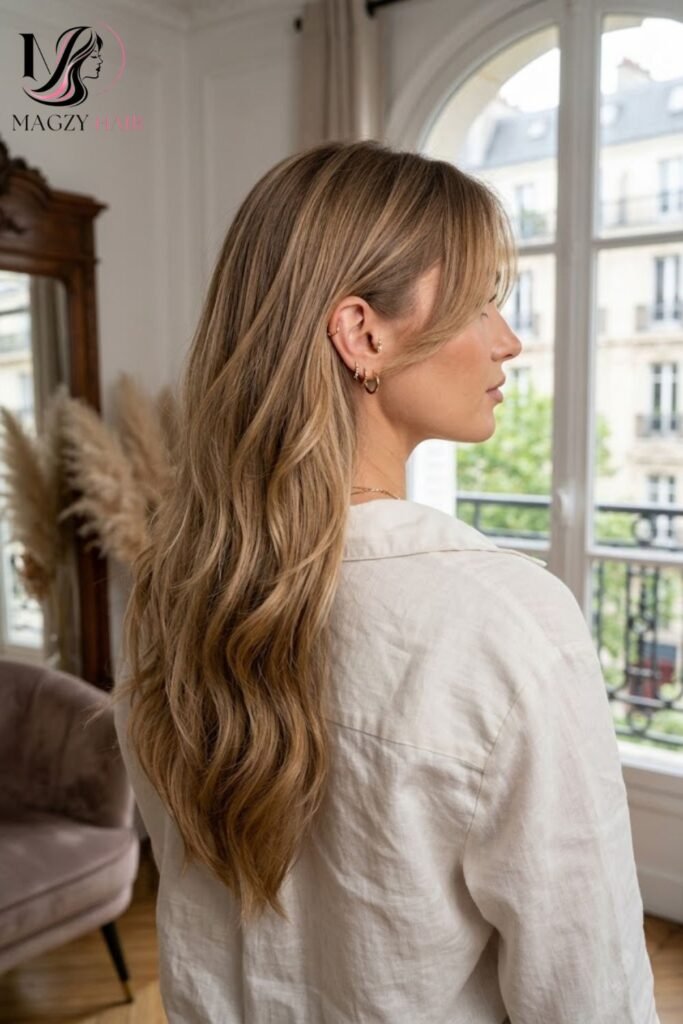
Combining long layers with a V cut perimeter, featuring a deep point at the back rather than a straight, blunt line, creates a dramatic, elongated silhouette among layered haircuts for long hair, drawing the eye vertically along the length in a way that emphasizes both the hair’s overall length and the layering’s inherent movement.
This particular combination works well because the V cut’s dramatic structural element pairs naturally with softer, more subtle layering throughout the rest of the cut, since combining two equally bold techniques, dramatic perimeter shaping and heavy texturizing, can sometimes feel like too many competing statements happening simultaneously.
A helpful example: someone with a V cut who adds heavy, choppy layers on top of the already dramatic back point might find the combined effect feels overly busy rather than intentionally striking. Choosing softer, more subtle layering throughout helps this particular combination among layered haircuts for long hair feel balanced rather than overwhelming.
Maintenance for the V cut perimeter specifically requires attention to the deep point, generally every 8–10 weeks, to prevent it from softening and losing its dramatic, defined shape as hair grows.
Long Wavy Layers
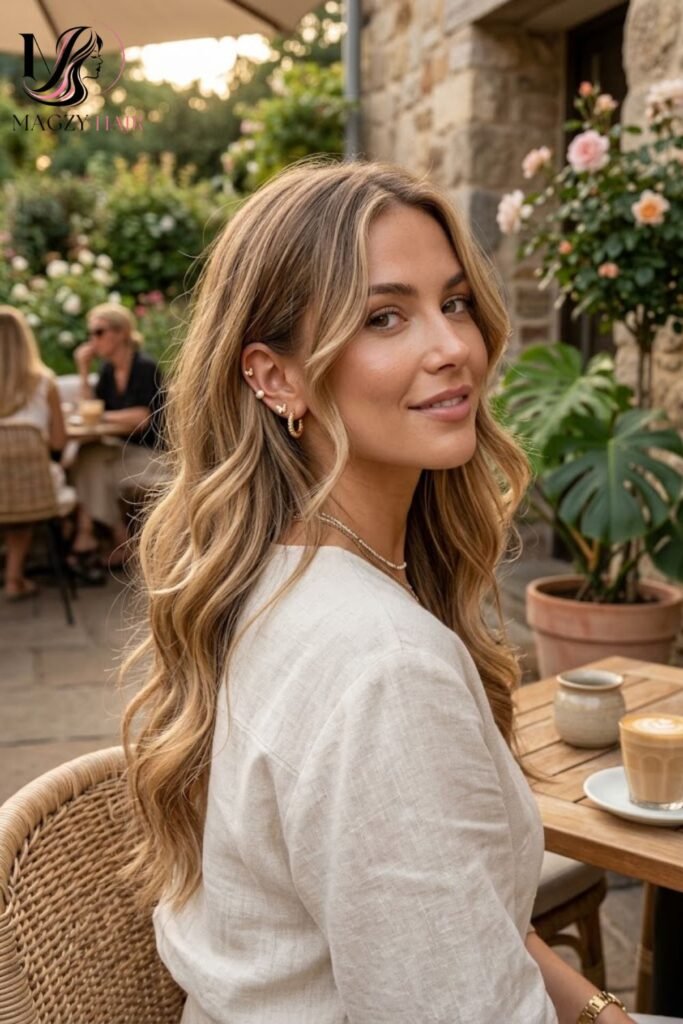
Layered haircuts for long hair take on a distinctly different character when paired with natural wave pattern, since texture itself adds movement and volume that straight hair typically needs styling tools to achieve. This combination tends to work particularly well at long lengths specifically, since there’s enough hair for a full, defined wave pattern to show without appearing overly compact.
Layering for wavy hair specifically benefits from slightly less aggressive texturizing than straight hair typically requires, since the natural wave pattern already introduces movement on its own. Over layering wavy hair can sometimes result in a style that looks thin or frizzy rather than intentionally textured, making a more measured approach generally more successful.
A helpful example: someone with naturally wavy hair who requests the same intensity of layering typically used on straight hair might find their long layered cut looks thinner or more disheveled than intended, since the combination of natural texture and heavy layering can be more than the style actually needs. Communicating your natural wave pattern helps calibrate the technique appropriately among layered haircuts for long hair suited to wavy texture.
Styling long wavy layers typically involves scrunching in a lightweight curl cream and air drying or diffusing, allowing the built in layering and natural texture to work together for a dynamic, effortless finish.
Long Curly Layers
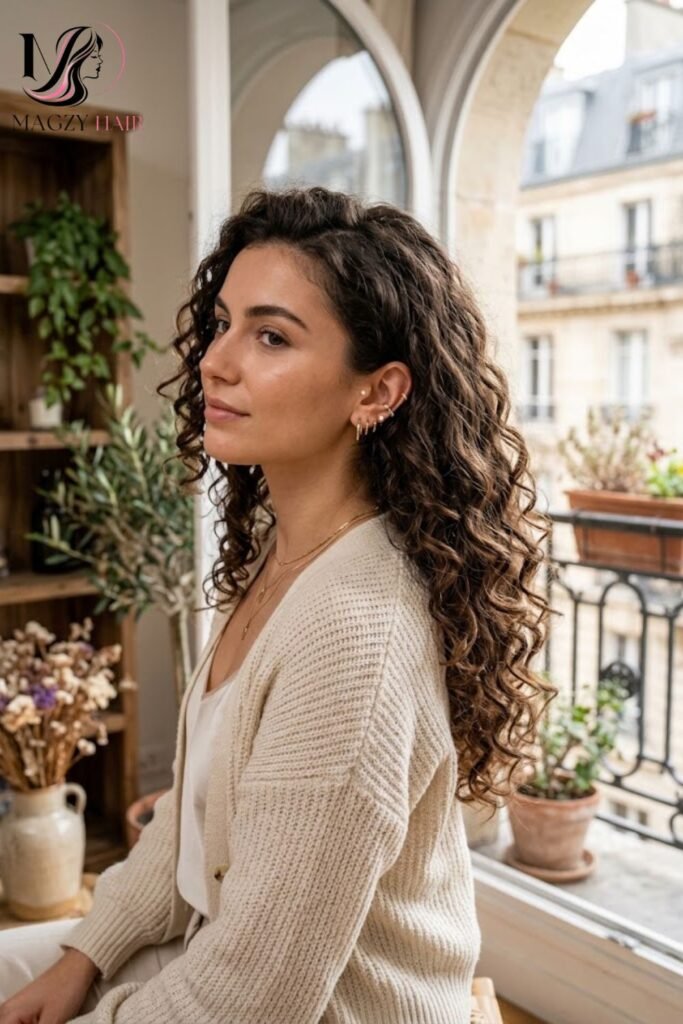
Curly hair requires a distinct cutting approach among layered haircuts for long hair, since curl pattern shrinks significantly once cut, sometimes by 30 to 50 percent depending on curl tightness. A stylist unfamiliar with curly specific cutting techniques might cut layers to an intended long length while wet, only for them to spring up noticeably shorter once fully dry.
Dry cutting, where the stylist trims and layers hair while it’s already dry and in its natural curl pattern, has become an increasingly recommended technique specifically for curly layered haircuts for long hair. This method allows the stylist to see exactly how each curl falls and behaves before making cutting decisions, resulting in a far more predictable, accurately shaped final result.
A helpful example: someone with tight, coily curls requesting long layers might actually need the hair cut several inches longer while stretched, accounting for the significant shrinkage that will occur once curls spring back to their natural state. Seeking a stylist specifically trained in curly hair cutting is essential to achieving accurate, flattering results among layered haircuts for long hair on this particular texture.
Styling curly long layers typically involves minimal heat and maximum moisture, using curl defining creams applied to soaking wet hair, then air drying or diffusing to preserve the natural curl pattern the layering was designed to work with.
Choosing Layered Haircuts for Long Hair by Face Shape
Face shape plays a significant role in which layered haircuts for long hair look most flattering, a detail generic style roundups often skip entirely. Round faces tend to benefit from styles with layers starting around the cheekbone and length extending well past the chin, since these help elongate the face rather than adding width at its widest point.
Square faces generally look best with softer, rounder layering rather than sharp, blunt lines, since gentle waves or rounded ends help soften a strong, angular jawline. Heart shaped faces often benefit from layered haircuts for long hair that add fullness around the jaw and chin specifically, balancing a narrower jawline against a fuller forehead, something curtain bangs or face framing layers can help achieve.
A practical example: two people requesting the “same” layered haircut for long hair from a reference photo may need genuinely different layer placement and length distribution to achieve an equally flattering result, simply because their face shapes differ. This is exactly why clearly communicating your face shape and specific priorities to a stylist produces far more personalized, satisfying outcomes than a photo alone.
Oval faces tend to have the most flexibility among layered haircuts for long hair, generally suiting nearly any layering pattern or styling approach discussed in this guide.
Common Mistakes to Avoid With Layered Haircuts for Long Hair
One of the most frequent mistakes is requesting layers without specifying where they should begin, leaving significant room for interpretation between subtle, barely there movement and dramatic, heavily textured layering. Bringing reference photos and discussing specific layer placement helps ensure the final result among layered haircuts for long hair matches your actual expectations.
Another common error involves choosing layer intensity based purely on trend photos rather than your own hair density and texture, since the same layering pattern can look completely different depending on the hair type it’s applied to. Discussing your specific hair type honestly with your stylist produces far more reliable, flattering results.
Skipping regular trims is another frequently repeated mistake, since layered haircuts for long hair rely on maintained shape to look intentional, and growing hair softens defined layering more quickly than it would on a simple, blunt cut. Regular trims, generally every 8–10 weeks, help maintain the intended balance between length and movement.
Finally, using heavy, smoothing products on fine hair styled with layers is a mistake worth avoiding, since these products can weigh hair down and reduce the appearance of volume the layering was meant to enhance.
The Future of Layered Haircuts for Long Hair
Layered haircuts for long hair continue to evolve alongside broader advances in texture specific and density conscious cutting techniques. As more stylists pursue specialized training focused on how layering should adapt to individual hair density and texture, the historically common problem of applying identical layering approaches regardless of hair type is becoming less frequent.
There’s also a growing emphasis on personalized, individualized styling advice rather than generic trend following, with more stylists specifically discussing exactly where layers should begin and how intensely they should be cut based on each client’s unique hair characteristics.
Product technology is advancing alongside this trend as well, with more brands developing formulations specifically addressing the volume, texture, and shine needs unique to long, layered hair, helping these styles look fuller and more dynamic with less daily styling effort.
Looking ahead, personalized digital consultation tools, including AI based cut simulation technology, are beginning to help people visualize how different layering approaches might specifically suit their current hair texture, density, and face shape before committing to a cut, reducing the guesswork historically associated with choosing the right layer placement.
Conclusion
Layered haircuts for long hair offer real versatility once you understand how layer placement, hair density, and face shape work together. From soft face framing layers to a dramatic long shag, there’s an option here suited to nearly every texture and lifestyle. The key is choosing layer placement that respects your hair’s natural density and texture. Ready to try one of these layered haircuts for long hair Bring this guide to your next appointment and start the conversation with your stylist.
Ayesha Noor is the founder and lead writer behind Magzy Hair. With 4 years of experience researching hairstyles, hair care, and beauty trends, she enjoys helping readers discover styles that suit their unique personality and lifestyle.


