Medium-Length Hairstyles: The Complete Guide to Cuts, Styling, and Versatility

Medium-length hairstyles consistently top the list of most requested haircuts, and for good reason. This length generally falling between the collarbone and shoulder blades offers a rare combination of versatility and manageability that shorter or longer styles often can’t match. It’s long enough to braid, twist, or half up, yet short enough to avoid the weight and drying time that comes with much longer hair, making it a practical choice across nearly every hair type and lifestyle.
This guide goes beyond a simple list of medium-length hairstyles. It explains how this length actually interacts with different face shapes, hair textures, and densities, what cutting techniques make the biggest visual difference, and details most articles overlook like why the exact same medium length can look completely different depending on where layers begin. Whether you’re considering this length for the first time or want more out of a cut you already wear, this is the deeper, more practical resource.
What Defines Medium-Length Hairstyles
Medium-length hairstyles generally span from the collarbone to just past the shoulder blades, sitting between shorter bob length cuts and longer, past the shoulder styles. This range isn’t arbitrary it represents a genuine sweet spot where hair is long enough for meaningful versatility, like ponytails, half up styles, and braids, but short enough to avoid the added weight and drying time longer hair typically requires.
Understanding this length range matters because even small differences within it noticeably change how a style behaves. Hair at the shorter end of the medium range, closer to the collarbone, tends to feel closer to a long bob, while hair at the longer end, closer to the shoulder blades, starts to behave more like classic long hair in terms of movement and styling needs, despite technically remaining within the medium-length category.
A helpful example: someone growing out a shorter cut often passes through this medium range as a natural, comfortable stopping point rather than an awkward transitional phase. Working with a stylist to properly layer and shape hair specifically for this length rather than simply letting it grow untouched keeps medium-length hairstyles looking intentional and polished throughout the growing out process.
This length category also tends to suit a wider range of hair textures than either very short or very long styles. There’s enough length for waves and curls to show their full, natural pattern, yet not so much that fine hair looks weighed down or thick hair becomes difficult to manage, which is part of why medium-length hairstyles remain consistently popular across such a broad range of hair types.
Learn More: https://magzyhair.com/copper-hair-color-ideas/
Choosing the Right Medium-Length Hairstyle for Your Face Shape
Face shape plays a significant role in which medium-length hairstyles look most flattering, a detail that’s often overlooked in generic style roundups. For round faces, styles with layers starting around the cheekbone and length extending past the chin tend to elongate the face, while medium-length cuts with heavy, blunt ends at collarbone length can sometimes emphasize width rather than balancing it.
Square faces generally benefit from medium-length hairstyles featuring soft, rounded layers rather than sharp, geometric lines, since gentle waves or rounded ends help soften a strong, angular jawline. Oval faces have the most flexibility within this length category, typically suiting nearly any layering pattern or length variation within the medium range, from shorter, chin grazing layers to longer, more uniform styles.
Heart shaped faces often look best with medium-length hairstyles that add some fullness or texture around the jaw and chin area, balancing a narrower jawline against a fuller forehead. A common mistake here is choosing heavy, face framing layers that start too high, which can inadvertently draw more attention to the forehead rather than creating the intended balancing effect lower on the face.
A practical example: two people requesting the “same” medium-length hairstyle photo may need genuinely different layering and length placement to achieve an equally flattering result, simply because their face shapes differ significantly. This is why clearly communicating your face shape and specific styling priorities to your stylist leads to far more personalized, satisfying outcomes than a reference photo alone can provide.
Layered Medium-Length Hairstyles: Adding Movement and Softness
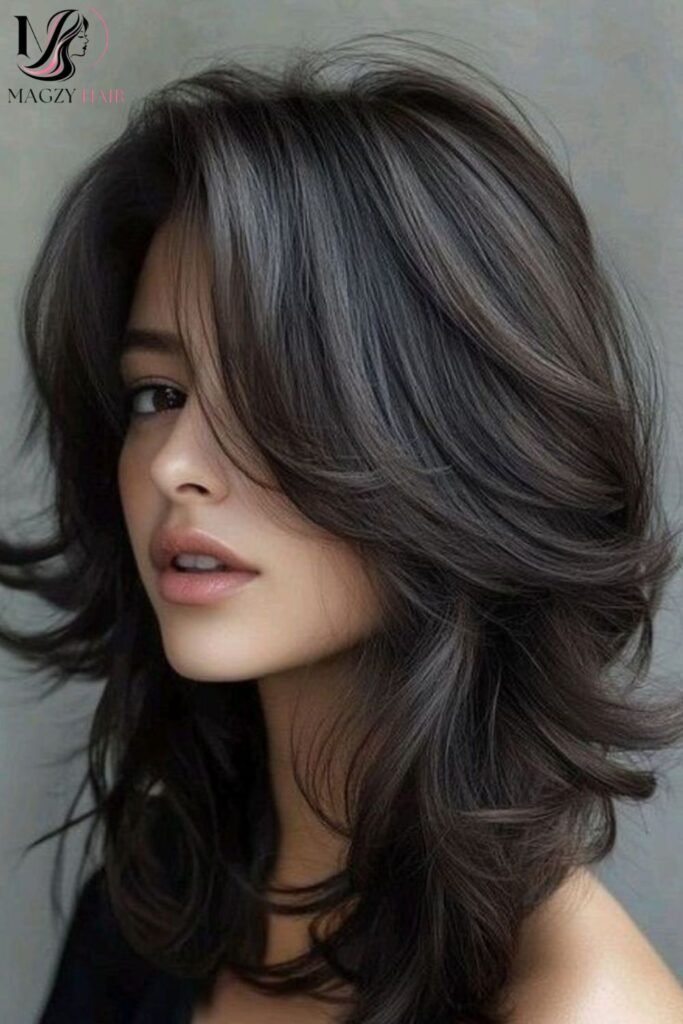
Layered medium-length hairstyles incorporate internal layering throughout the cut, adding movement and reducing bulk, particularly valuable for thicker or coarser hair types that might otherwise look heavy at this length. By strategically removing weight through the interior sections, layers allow hair to move more freely and naturally, creating a softer, more dynamic overall silhouette than a one length version of the same length.
Where layers begin makes a meaningful difference in the final result. Starting layers too close to the crown can create unwanted volume or a triangular shape, while beginning around cheekbone to chin level typically allows the layers to blend smoothly into the length below rather than creating an abrupt, disconnected appearance. This detail is worth specifically discussing during a consultation.
A helpful example: someone with dense, medium-length hair often describes their style as looking “heavy” or lacking movement at the ends. This typically happens when internal weight isn’t properly addressed, and adding strategic layers throughout medium-length hairstyles solves this issue without sacrificing overall length, instantly making the style look more dynamic, intentional, and easier to style day to day.
Layered medium-length hairstyles also tend to be more forgiving between salon visits than precise, blunt versions, since the layered shape relies less on an exact, unbroken perimeter line. This makes layered styles a practical choice for anyone wanting a versatile, stylish look without needing trims as frequently as sharper, more geometric alternatives at this same length require.
Blunt Medium-Length Hairstyles: A Sleek, Polished Option
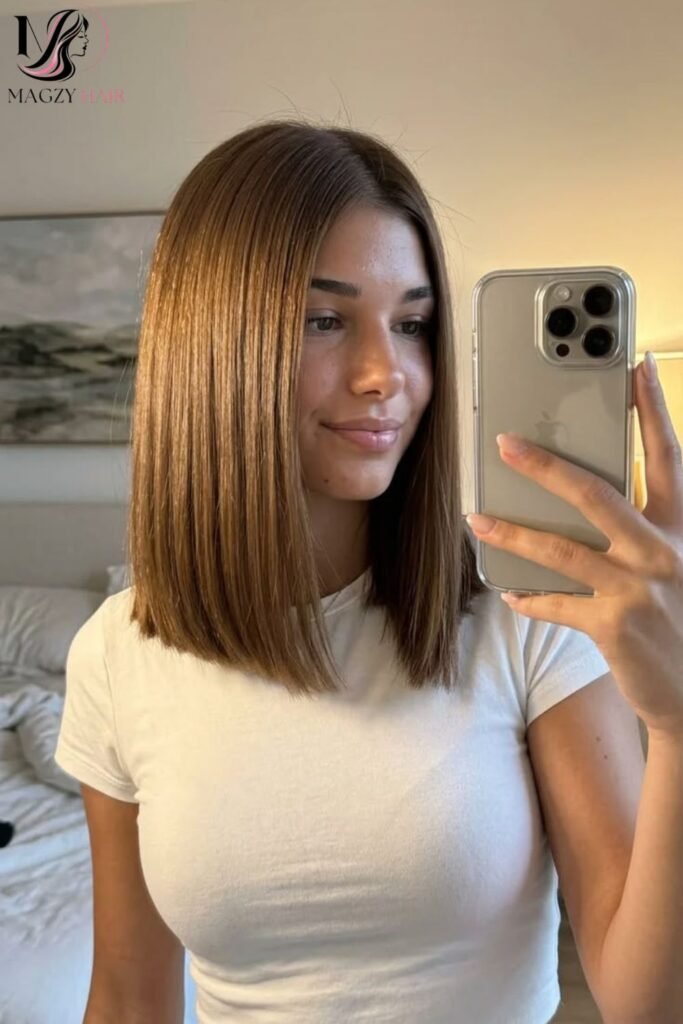
For those wanting a bolder, more graphic look, blunt medium-length hairstyles pair this versatile length with a sharp, even cut line rather than heavily layered ends. This creates a striking, polished silhouette that reads as structured and intentional, making it a popular choice for professional settings or anyone who prefers a sleek, defined shape over a softer, textured alternative.
This style tends to work best on medium to thick hair density, where there’s enough natural fullness to support a clean, even line without appearing thin or wispy at the ends. On finer hair, a completely blunt medium-length cut can sometimes emphasize a lack of density, so stylists often recommend very subtle, barely there layering to maintain the blunt aesthetic while still supporting healthy, natural movement.
A helpful comparison: a blunt medium-length hairstyle functions similarly to a well tailored dress clean, precise lines that immediately read as polished and put together. Unlike heavily layered versions, this style typically requires more precise blow drying or flat ironing to maintain its sleek shape, since much of its visual impact comes from the crisp, unbroken line rather than relying on natural texture.
Maintenance for blunt medium-length hairstyles is generally more frequent than layered versions, often requiring trims every 8–10 weeks to preserve the sharp perimeter line. As hair grows, even small length changes can visibly soften a blunt edge, making regular upkeep an important practical consideration for anyone specifically drawn to this structured, polished version of medium-length hair.
Wavy and Textured Medium-Length Hairstyles
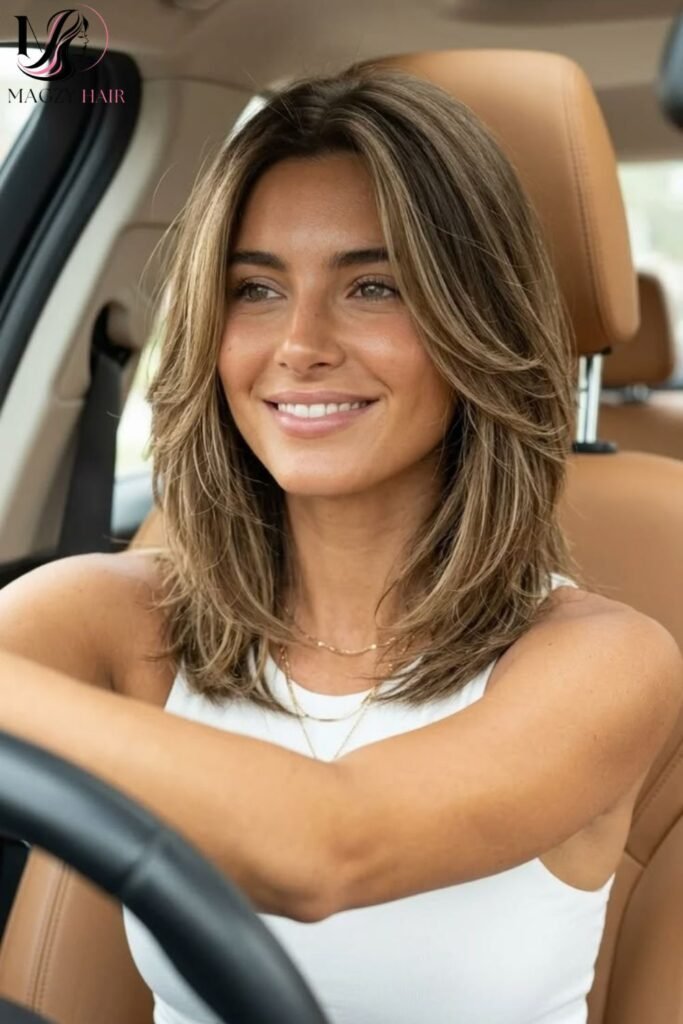
Wavy and textured medium-length hairstyles lean into natural or styled texture, creating a relaxed, effortless look that contrasts with sleeker, more polished blunt alternatives. This length range is particularly well suited to waves, since there’s enough hair to show a full, complete wave pattern without appearing too compact or tightly coiled, something that can happen with waves on shorter cuts.
For those with naturally wavy or curly hair, this length allows the natural texture to do much of the styling work, often requiring only a lightweight curl cream and air drying or diffusing to achieve a polished, defined look. This makes wavy, textured medium-length hairstyles a popular choice for anyone wanting a stylish appearance without extensive daily heat styling or tool use.
A mini scenario worth noting: someone with naturally straight hair wanting this textured look can achieve similar results using a curling wand with a one to one and a half inch barrel, alternating curl direction throughout different sections to avoid a uniform, overly polished appearance. This technique creates a more natural, undone wave pattern well suited to the relaxed character of textured medium-length styles specifically.
Layering plays an important supporting role for wavy or textured medium-length hairstyles, since some internal thinning helps waves move and bounce rather than clumping together into one heavy section. Discussing this specific layering need directly with a stylist, rather than assuming any medium-length cut will automatically suit wavy or curly texture, ensures the cut and natural texture work together effectively.
Medium-Length Hairstyles for Thick Hair
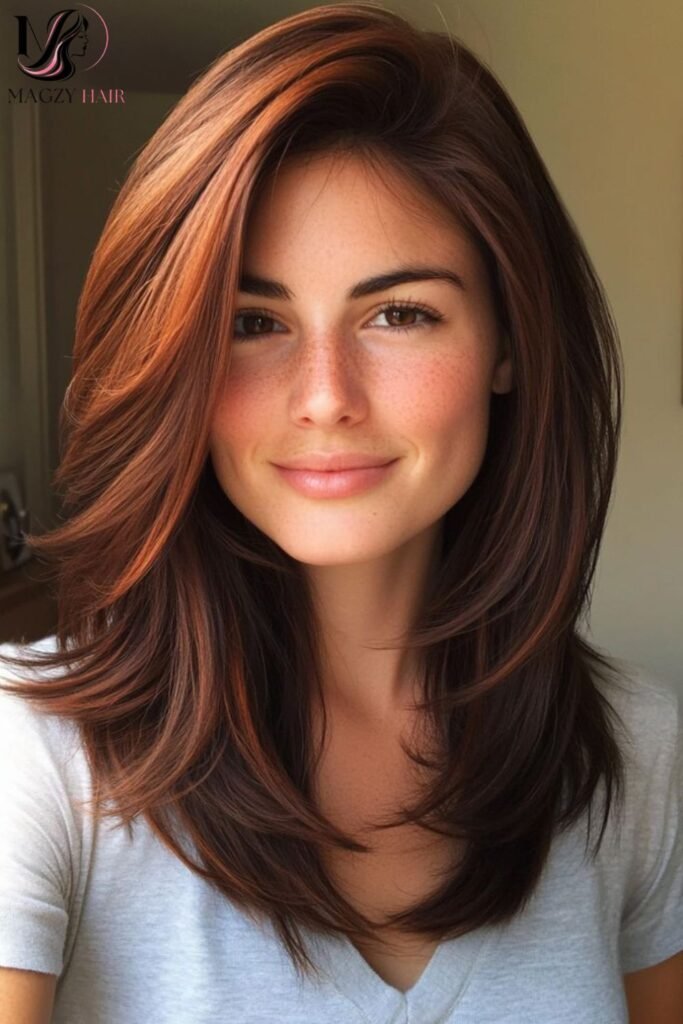
Thick hair requires a specific strategic approach within medium-length hairstyles, since the primary challenge typically involves managing volume and weight rather than creating additional fullness. Strategic internal layering and thinning techniques help remove bulk without sacrificing overall length or shape, preventing the heavy, triangular silhouette that can occur when thick hair isn’t properly layered at this length.
Slide cutting and point cutting techniques prove particularly valuable for thick medium-length hairstyles, since these methods remove weight gradually along the length rather than creating harsh, blunt sections that can look chunky on denser hair. This gradual approach allows the natural movement of the cut to remain visible rather than being compressed under too much uncut internal weight.
A practical scenario: someone with very thick, coarse hair requesting a medium-length cut without proper thinning often ends up with a heavy, wide shape that doesn’t move naturally, regardless of how flattering the intended length might otherwise be. Clearly communicating hair density during a consultation using specific terms like “thick and heavy” rather than a general length request alone helps ensure appropriate thinning techniques are applied from the very first cut.
Styling thick medium-length hairstyles generally requires less volumizing product and more focus on frizz control and smoothing, since natural density typically provides sufficient fullness without additional help. Lightweight anti frizz serums, applied sparingly to avoid weighing down the cut’s shape, tend to be more useful for this hair type than the volumizing products often recommended for finer textures at the same length.
Medium-Length Hairstyles for Fine or Thin Hair
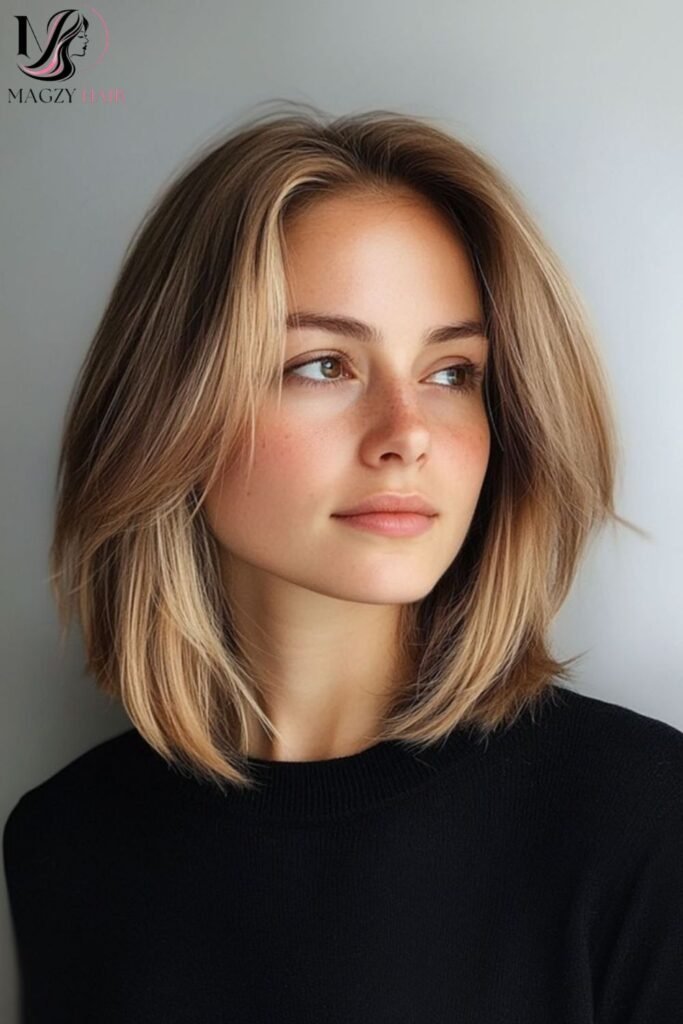
Fine or thin hair benefits significantly from medium-length hairstyles, since this range helps concentrate the hair’s existing volume without the added heaviness that comes with much longer styles. However, cutting technique matters significantly here heavy layering can sometimes create sparse, wispy ends that emphasize thinness rather than disguising it, contrary to a common assumption about adding movement to fine hair.
A more conservative layering approach, keeping more weight at the perimeter while adding only subtle internal layers, tends to create a fuller looking result for fine hair specifically. This technique preserves more overall density at the ends, which reads visually as thicker and healthier, while still allowing enough movement to prevent the style from looking flat or static throughout the day.
A helpful example: someone with fine hair who requests heavy, choppy layers throughout a medium-length cut might find the ends look thin and stringy rather than textured and full. Opting instead for a blunter perimeter with only light, strategic layering around the face typically creates a fuller, more polished appearance that better serves fine hair’s specific needs at this particular length.
Root lifting styling techniques also play an important role for fine hair at medium length specifically. Blow drying with a round brush focused at the roots, paired with a lightweight volumizing mousse applied only at the scalp, helps maintain lift throughout the day, ensuring medium-length hairstyles on fine hair look full and intentional rather than flat by midday.
Medium-Length Hairstyles With Bangs
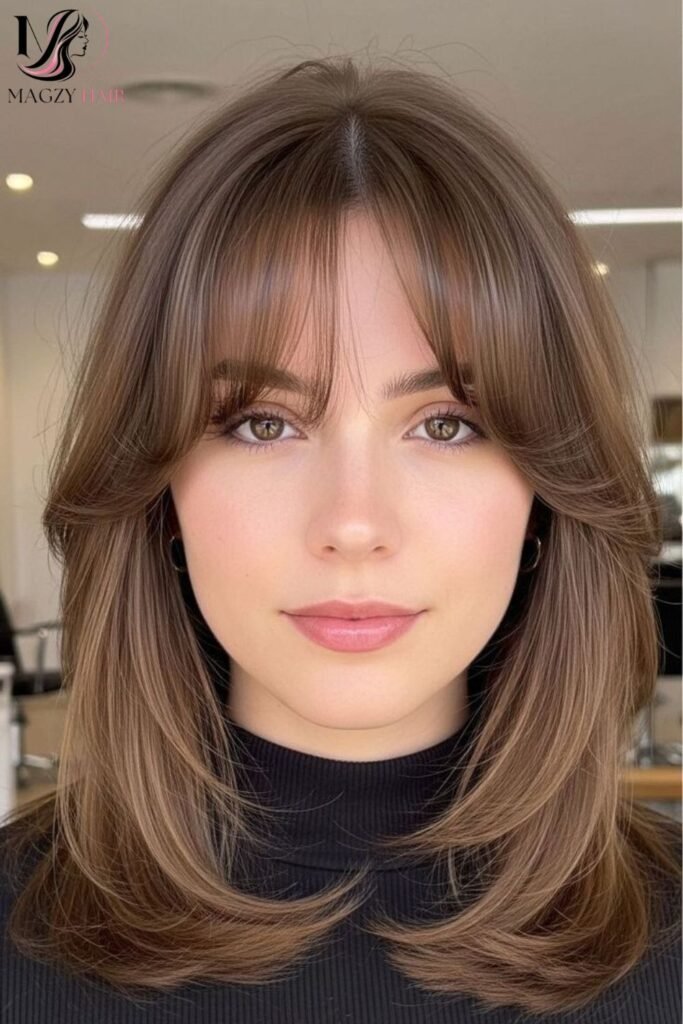
Adding bangs to medium-length hairstyles introduces an additional face framing element that can significantly change the overall look and feel of the style. Curtain bangs, which part naturally and sweep to either side, pair particularly well with this length, since they blend gradually into the surrounding hair rather than creating a stark, disconnected line against the longer length below.
Blunt, straight across bangs paired with medium-length hair create a bolder, more graphic look, though this combination requires more precise, frequent maintenance to keep both the bangs and the overall cut’s perimeter looking sharp and intentional. This pairing tends to work best on straight or only slightly wavy hair, where clean lines can be maintained without excessive daily styling effort.
A helpful example: someone with medium-length hair considering bangs for the first time often finds curtain bangs the easiest, lowest commitment option, since they can be styled back and blended into the rest of the length on days when a fuller fringe look isn’t wanted. This flexibility makes curtain bangs a popular starting point for testing whether bangs suit medium-length hairstyles before committing to a bolder, blunt style.
Face shape also plays a role in bang selection at this length, similar to overall length and layering decisions. Side swept or curtain bangs tend to be more universally flattering across face shapes, while blunt bangs work best on those with well balanced or oval proportions, where the straight line doesn’t compete with existing facial angles or width.
Medium-Length Hairstyles for Curly Hair
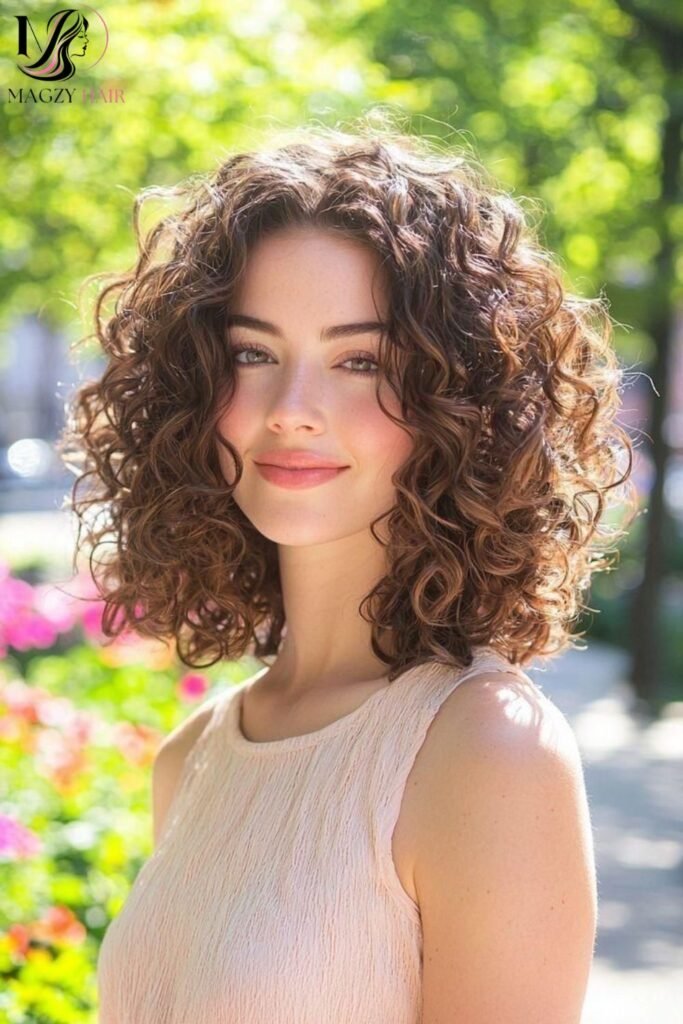
Curly hair requires a distinct cutting approach within medium-length hairstyles, since curl patterns shrink significantly once cut sometimes by 30 to 50 percent depending on curl tightness. A stylist unfamiliar with curly specific cutting techniques might cut hair to an intended medium length while wet, only for it to spring up noticeably shorter once fully dry, a frequently repeated and frustrating mistake within this category.
Dry cutting, where the stylist trims and shapes hair while it’s already dry and in its natural curl pattern, has become an increasingly recommended technique specifically for curly medium-length hairstyles. This method allows the stylist to see exactly how each curl falls and behaves before making cutting decisions, resulting in a far more predictable, accurately shaped final length and silhouette.
A helpful example: someone with tight, coily curls requesting shoulder length medium hair might actually need the hair cut several inches longer while stretched, accounting for the significant shrinkage that will occur once curls spring back to their natural state. Seeking a stylist specifically trained in curly hair cutting is essential to avoid this common and often disappointing mistake.
Styling curly medium length hairstyles typically involves minimal heat and maximum moisture, using curl defining creams and gels applied to soaking wet hair, then air drying or diffusing to preserve the natural curl pattern. Avoiding brushes on dry hair remains essential, since brushing disrupts curl clumps and creates frizz rather than the defined, bouncy texture this length and hair type is meant to showcase.
Styling Techniques for Everyday Medium-Length Hairstyles
Styling medium-length hairstyles effectively depends significantly on the specific texture and finish desired for any given day. For a sleek, polished look, blow drying with a large round brush followed by a flat iron pass creates smooth, defined movement, while a slight bend at the ends adds a classic, finished quality well suited to professional or more formal settings.
For a more relaxed, textured finish, applying a sea salt spray or texturizing cream to damp hair before air drying or diffusing enhances natural movement without requiring extensive heat styling. This approach tends to suit medium-length hairstyles particularly well, since there’s enough hair to show meaningful texture without appearing frizzy or undefined at this length.
A helpful mini scenario: someone wanting to transition their medium-length hairstyle from a polished daytime look to a more relaxed evening style might simply run a small amount of texturizing paste through the ends and tousle with fingers, rather than restyling from scratch. This quick, low effort adjustment showcases the versatility that makes medium-length hair so practical for varied daily schedules and settings.
Overnight styling also deserves specific attention for medium-length hairstyles. Loosely braiding damp hair before bed, then releasing the braid in the morning, can create soft, natural waves without any heat styling at all, an especially useful technique for maintaining hair health while still achieving textured, styled looking hair at this versatile, practical length.
Updo and Half Up Options for Medium-Length Hairstyles
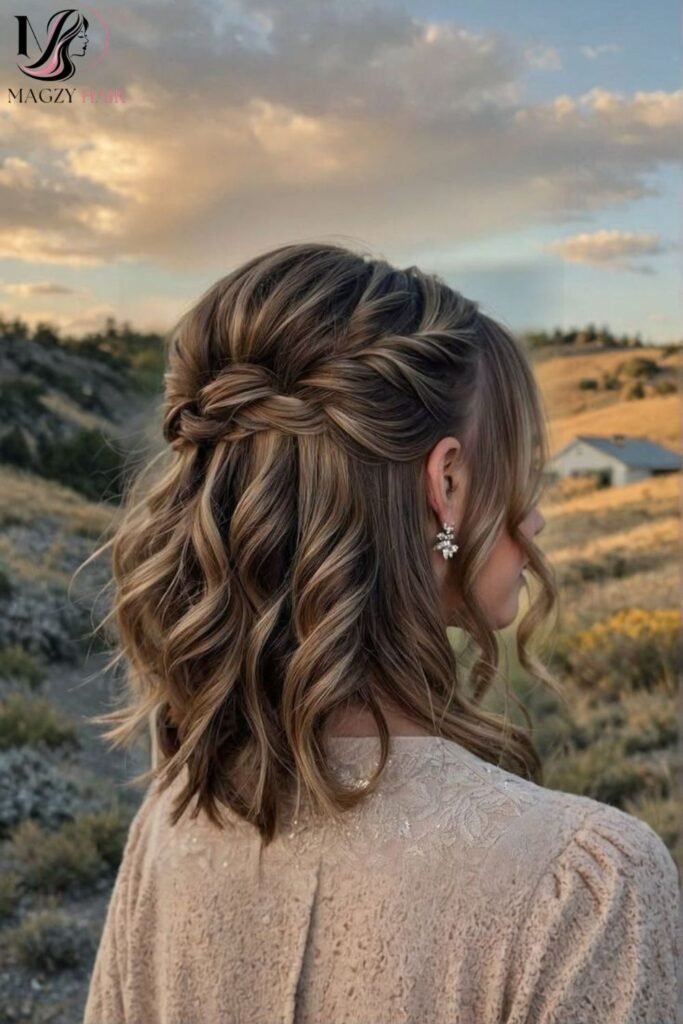
One of the biggest advantages of medium-length hairstyles is the range of updo and half up options they support, more than shorter cuts allow but with less complexity than very long hair sometimes requires. A simple half up style, gathering the top section into a small ponytail or clip while leaving the rest down, offers quick, effortless polish without requiring advanced styling skills or significant time investment.
Low buns and twisted updos also work well at this length, though medium-length hair often requires a few extra bobby pins compared to longer hair to keep shorter face framing pieces secured. This is a practical detail worth knowing in advance: medium-length hairstyles styled into updos may need slightly more securing than expected if the length falls right at the shorter end of the medium range.
A helpful example: for a more elevated look, a low, textured bun with a few loose face framing pieces left out creates a polished yet relaxed effect well suited to both casual and semi formal occasions. This versatility across dress codes is a significant reason medium-length hairstyles remain popular among those wanting one length that adapts easily to varied social and professional settings.
Braided styles, including simple three strand braids, fishtail braids, or braided half up looks, also translate particularly well to medium-length hair, since there’s enough length for a visually substantial braid without the excess bulk or difficulty managing very long hair in braided styles can sometimes involve.
Color Techniques That Enhance Medium-Length Hairstyles
Color placement plays a meaningful role in how medium-length hairstyles read visually, particularly since this length offers enough surface area for dimensional color techniques to show genuine depth and movement. Balayage, with its graduated, hand painted placement, works especially well at this length, creating a soft, sun kissed effect that highlights the cut’s natural movement without requiring frequent, precise root touch ups.
For those preferring more structured color, foil highlights placed strategically around the face and through the layers can enhance the shape of medium-length hairstyles, drawing attention to specific sections and creating dimension that flat, single process color often lacks. This technique works particularly well on layered medium-length cuts, where highlights help emphasize the movement already created by the layering itself.
A helpful example: medium-length hair styled with flat, single process color often looks noticeably less dimensional than the identical cut finished with strategic highlighting or balayage, even when the underlying cutting technique is exactly the same. The color simply reveals and enhances the cut’s inherent movement more effectively, which is why many stylists recommend discussing color choices alongside the haircut itself.
For those embracing natural gray, subtle lowlights blended throughout medium-length hairstyles can help ease the color transition while still adding dimension and texture. This combined approach between cut and color creates a more cohesive, polished overall result than treating gray blending as a separate consideration from the specific length and layering pattern of the cut.
Medium-Length Hairstyles for Special Occasions
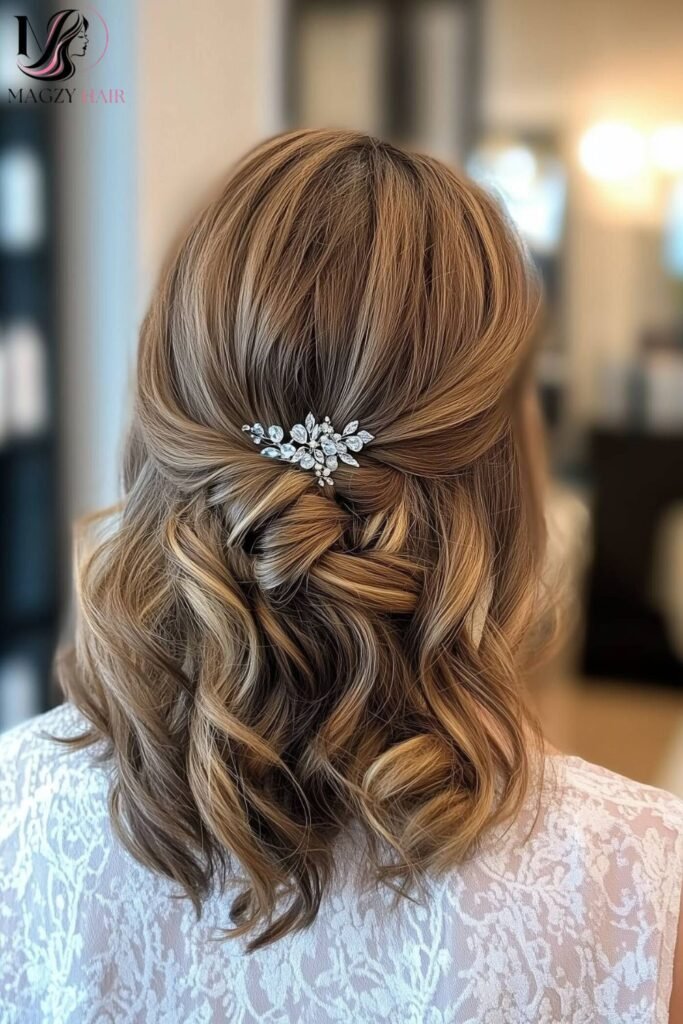
While medium-length hairstyles are often associated with everyday, low-maintenance styling, this length can be elevated significantly for special occasions with a few targeted techniques. Creating more uniform, defined curls than typical everyday waves, combined with a deep side part, instantly creates a more polished, event appropriate look without requiring additional length or a dramatically different hairstyle altogether.
Half up styles with added texture and volume work particularly well for special occasions at this length, using small sections pinned back and lightly teased at the crown to create the visual effect of an updo’s polish while still keeping the length and movement of the hair visible and prominent throughout the style.
A helpful example: for a formal event, taking extra time to create smooth, glossy curls using a curling wand rather than the relaxed, textured waves used for everyday styling combined with a shine enhancing serum can transform an everyday medium-length hairstyle into a noticeably more elevated look, without requiring hair extensions or additional length beyond what’s naturally there.
Accessorizing also offers meaningful options at this length, including delicate hairpins along a side part, decorative combs, or small clips positioned at the temples. These additions provide a formal touch without disrupting the natural movement and shape that make medium-length hairstyles distinctive, offering an easy way to dress up the style specifically for special occasions.
Medium-Length Hairstyles for Active Lifestyles
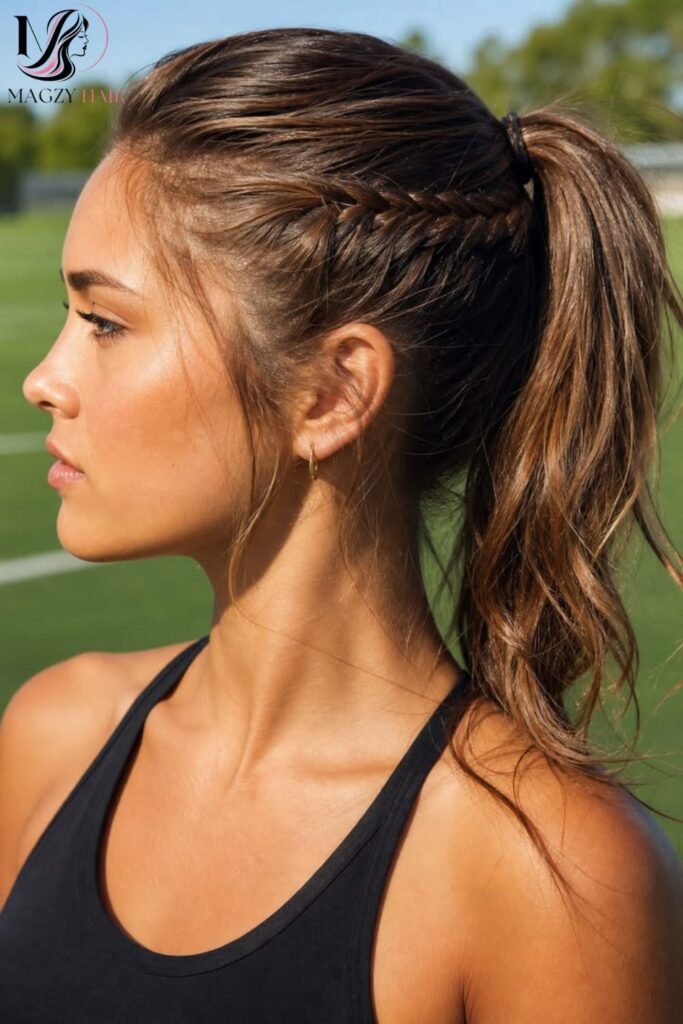
For those with active lifestyles, medium-length hairstyles offer practical advantages that both very short and very long hair sometimes lack. There’s enough length to pull hair back securely into a ponytail or braid for workouts, yet the length remains manageable enough to dry relatively quickly after washing, an important consideration for anyone exercising frequently or living in a warmer, more humid climate.
Braided styles, particularly French braids or simple two strand twists, work particularly well for medium-length hair during workouts, since they keep hair secured and out of the face without requiring excessive tightness that can sometimes cause discomfort or breakage over repeated use. This length also generally allows for a full ponytail without needing hair extensions, unlike some shorter cuts.
A helpful example: someone transitioning from long hair to medium-length hairstyles specifically for lifestyle reasons, such as more frequent swimming or running, often finds the shorter length significantly reduces post workout drying and detangling time, while still maintaining enough length for secure, practical styling options during actual physical activity itself.
Sweat and moisture management also differ slightly at medium length compared to longer hair, since there’s less overall surface area for sweat to accumulate along the length. Using a lightweight, sweat resistant styling product for workout days, rather than heavier everyday formulas, helps keep medium-length hairstyles looking fresh and manageable throughout more physically demanding days specifically.
Common Mistakes to Avoid With Medium-Length Hairstyles
One frequent mistake is choosing a specific medium-length hairstyle based purely on a trend photo, without factoring in personal face shape, hair density, and texture. A medium-length cut that looks stunning on someone with fine, straight hair might translate very differently on someone with thick, curly hair, leading to disappointment that stems more from mismatched expectations than the length choice itself.
Over layering fine hair remains a commonly repeated error at this length specifically, since excessive thinning can create sparse, thin looking ends that undermine the fuller appearance medium-length hairstyles are generally meant to achieve for finer hair textures. Clearly communicating hair density to your stylist, rather than simply requesting layers without further context, helps avoid this frequently made mistake.
Neglecting regular trims is another common issue, since the versatile shape of medium-length hairstyles relies on maintained length and layering to keep its intended silhouette. Skipping scheduled trims generally recommended every 8–10 weeks depending on the specific style often results in hair that grows past its most flattering shape before it appears obviously overdue for a cut.
Finally, using the wrong styling products for medium-length hair’s specific texture can undermine an otherwise well executed cut. Heavy, matte products can weigh down fine or wavy medium-length hairstyles, while lightweight products may not provide enough control for thick or coarse hair at this length, making it worth discussing product recommendations specifically suited to your hair type during your salon appointment.
Medium-Length Hairstyles Across Different Age Groups
Medium-length hairstyles remain consistently flattering across a wide range of ages, though specific styling choices within this length can be adjusted to suit different life stages and priorities. Younger clients often gravitate toward bolder layering, brighter color placement, or more dramatic texture, while clients in their 40s, 50s, and beyond frequently prefer softer layering that adds volume and movement without appearing overly severe.
For women navigating hair changes related to aging, such as decreased density or increased dryness, medium-length hairstyles specifically cut with volume building techniques in mind can help address these changes effectively, similar to considerations discussed for shorter cuts but with the added versatility this longer length provides for styling options like half up looks and braids.
A helpful example: a client in her 60s wanting to maintain some length while addressing thinning hair might choose a medium-length cut with strategic layering concentrated around the crown specifically, an area that frequently shows thinning most noticeably, while keeping more length and weight through the rest of the style for a balanced, flattering overall silhouette.
Regardless of age, communicating specific priorities such as wanting more volume, easier styling, or a particular face framing effect helps ensure medium-length hairstyles are tailored appropriately rather than defaulting to generic recommendations that don’t account for how hair texture and density naturally change over time.
The Future of Medium-Length Hairstyles
Medium-length hairstyles continue to evolve alongside broader shifts in cutting technique and personal styling preferences, with future trends leaning toward increasingly customized layering rather than standardized, one size fits all length and shape combinations. As more stylists specialize in texture specific cutting, medium-length styles are becoming more precisely tailored to individual hair density and natural movement rather than relying on generic techniques across different hair types.
Low-maintenance, air dry friendly cutting approaches are also shaping the future of this length category, as more people seek hairstyles that look polished with minimal daily styling effort. This trend aligns particularly well with the inherent versatility of medium-length hair, likely resulting in more salons specifically marketing “wash and go” medium-length variations designed around natural texture rather than requiring daily heat styling.
Color and cut integration is another area of continued growth, with dimensional techniques like balayage increasingly designed specifically to enhance a medium-length cut’s particular layering pattern, rather than being applied as a generic, separate service. This integrated approach between cutting and coloring decisions is likely to become increasingly standard as stylists recognize how significantly color placement affects a medium-length style’s perceived movement and dimension.
Looking further ahead, personalized digital consultation tools, including AI-based hair simulation technology, are beginning to help clients preview how different medium-length hairstyles might look on their specific face shape and hair texture before committing to a cut. This kind of technology assisted planning could meaningfully reduce the trial and error historically associated with choosing the right length and layering pattern within this already highly versatile hairstyle category.
Conclusion
Medium-length hairstyles remain one of the most flexible and flattering choices available, offering the perfect balance between low maintenance styling and genuine versatility. From layered and blunt cuts to bangs, curls, updos, and special occasion styling, there’s a version of this length suited to nearly every face shape, hair texture, and lifestyle. If you’ve been considering this length, use these ideas to guide your next conversation with a trusted stylist.
Ayesha Noor is the founder and lead writer behind Magzy Hair. With 4 years of experience researching hairstyles, hair care, and beauty trends, she enjoys helping readers discover styles that suit their unique personality and lifestyle.


