
Choppy Bob Hairstyles: The Complete Guide to Cuts, Texture, and Styling

Choppy bob hairstyles have earned their staying power by solving a problem sleek, blunt bobs sometimes create: they add movement, texture, and a lived in quality that feels effortless rather than overly polished. However, achieving choppy bob hairstyles that look intentionally textured rather than simply uneven takes real precision. The difference between a choppy bob that reads as edgy and one that reads as a bad haircut usually comes down to cutting technique, not just the concept itself.
This guide goes beyond a simple gallery of choppy bob hairstyles. It explains how cutting method, hair texture, and density all affect the final result, along with details most articles skip entirely like why the exact same choppy bob request can look completely different depending on whether a stylist uses scissors or a razor, and why choppy bobs actually require more skill than a clean, blunt cut. Whether you’re considering choppy bob hairstyles for the first time or refining a choppy bob you already wear, this is the deeper, more practical guide.
Why Choppy Bob Hairstyles Need a Precise Cutting Approach
Choppy bob hairstyles require more technical skill than they might appear to from the outside, since the deliberately uneven, textured effect has to look intentional rather than accidental. A truly well executed choppy bob relies on controlled, strategic cutting techniques like point cutting or razor work, applied with specific placement, rather than simply cutting hair unevenly or leaving ends rough.
This distinction matters significantly because a poorly executed choppy bob and a poorly executed blunt bob fail very differently. A slightly uneven blunt cut still generally looks like a bob, just an imperfect one, while a poorly executed choppy bob can end up looking genuinely damaged or accidentally uneven rather than deliberately textured, making stylist skill and experience especially important for this specific choppy bob hairstyle.
A helpful example: someone requesting a choppy bob from a stylist unfamiliar with texturizing techniques might end up with hair that was simply cut unevenly with regular shears, creating a rough, unintentional look rather than the polished, deliberate texture genuine choppy bob hairstyles are meant to achieve. Seeking a stylist who specifically discusses point cutting or razor techniques during the consultation helps avoid this common, frustrating outcome.
Because choppy bob hairstyles depend so heavily on technique rather than just length and shape, communicating your desired level of choppiness clearly, from subtle texture to dramatically piece-y ends, helps ensure the final cut matches your expectations rather than leaving room for interpretation that might not align with what you actually wanted.
Related Articles: https://magzyhair.com/long-wavy-hairstyles/
Classic Choppy Bob
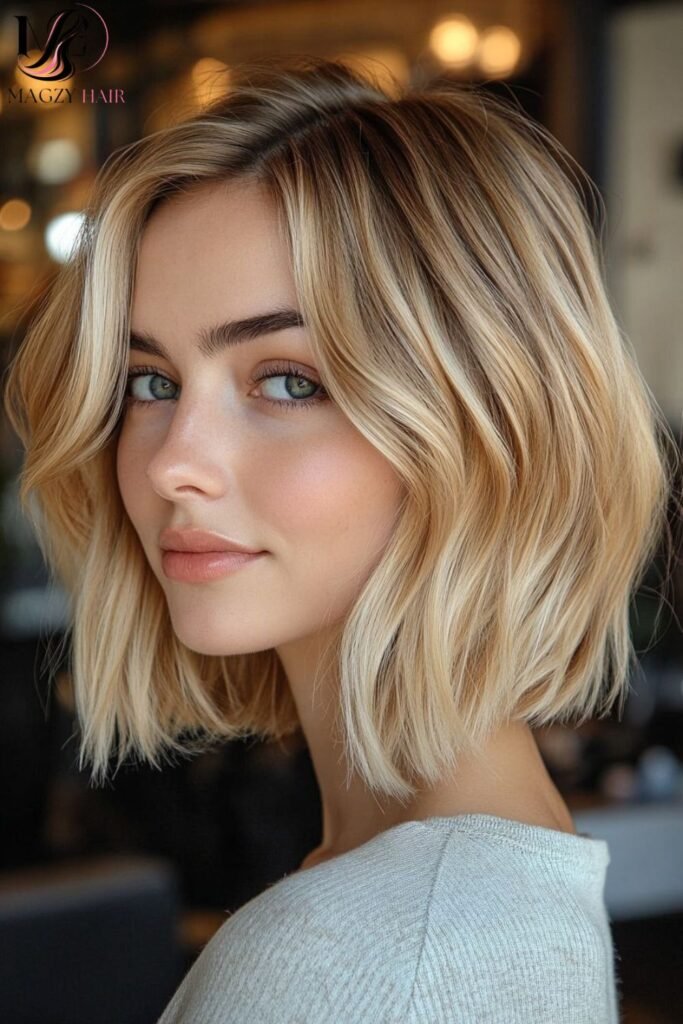
The classic choppy bob remains one of the most requested choppy bob hairstyles, pairing a chin to shoulder length with textured, piece-y ends that offer a versatile foundation across a wide range of face shapes and hair types. This style typically uses point cutting throughout the perimeter, removing small triangular sections from the ends to create texture without significantly altering the overall length or silhouette.
What separates a well executed classic choppy bob from a mediocre one is consistency in the texturizing technique across the whole head. Uneven point cutting can create random, disconnected chunks rather than cohesive texture, which is why experienced stylists work section by section on choppy bob hairstyles, checking the overall effect periodically rather than texturizing the entire head in one continuous pass.
A helpful example: someone with naturally straight, fine hair who requests a classic choppy bob might need lighter, more subtle point cutting than someone with thick, coarse hair, since fine hair shows texturizing more dramatically and can end up looking overly thin if the technique is too aggressive. Discussing your specific hair density with your stylist helps calibrate the choppiness appropriately for your particular hair type.
Like most choppy bob hairstyles, this style also tends to require regular trims to maintain its texture, generally every 6–8 weeks, since the piece-y ends can soften and lose definition as hair grows, gradually shifting the choppy bob toward looking more like a standard blunt cut over time.
Choppy Bob With Bangs
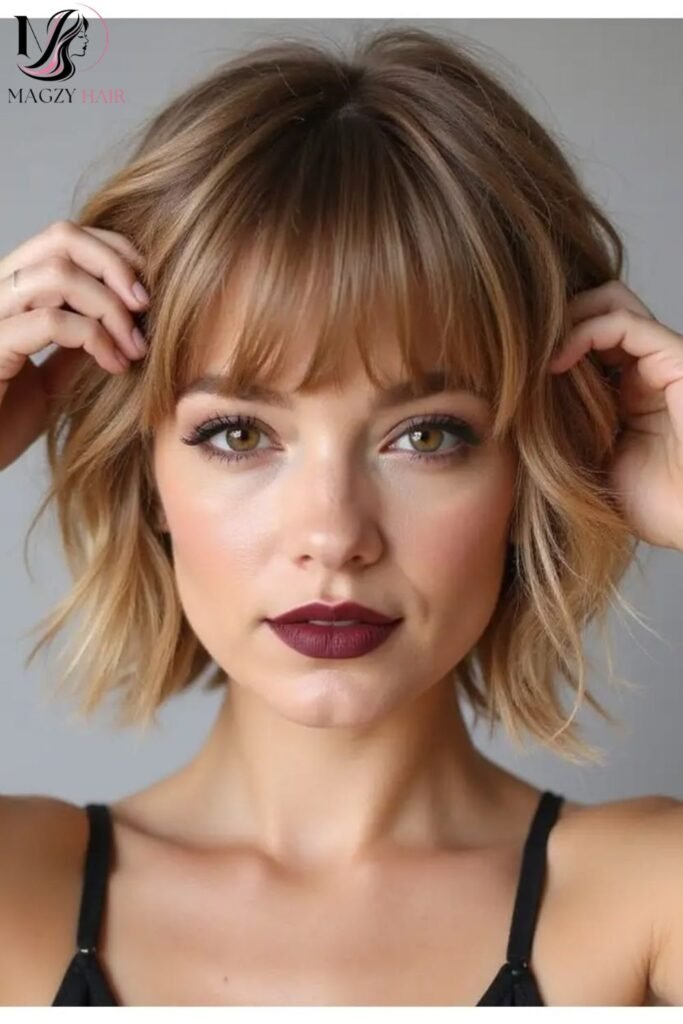
Adding bangs to this style creates one of the most face flattering choppy bob hairstyles available, introducing an additional face framing element that pairs naturally with the style’s overall textured, undone aesthetic. Choppy, piece-y bangs specifically tend to complement this bob style better than a precise, blunt fringe, since both elements share the same deliberately textured quality rather than creating contrast between a sharp fringe and softer, choppy length below.
This combination requires coordinated cutting between the bangs and the rest of the choppy bob, since inconsistent texturizing between the two sections can make the style look disjointed rather than cohesive. Stylists typically texturize both the bangs and the length using similar techniques and intensity, ensuring these choppy bob hairstyles read as one unified, intentional style rather than two mismatched sections.
A practical example: someone who adds choppy bangs to an existing blunt bob without also texturizing the length might find the contrast between sharp, clean length and choppy bangs looks unbalanced rather than cohesive. Texturizing the ends of the bob to match the bangs’ choppiness typically resolves this issue, creating a unified look across the whole choppy bob hairstyle.
Maintenance for choppy bangs paired with a bob requires slightly more frequent trims than the bangs alone would need on a blunt cut, since maintaining the specific choppy texture, rather than just length, becomes part of the ongoing upkeep for this particular choppy bob hairstyle.
Textured Choppy Lob
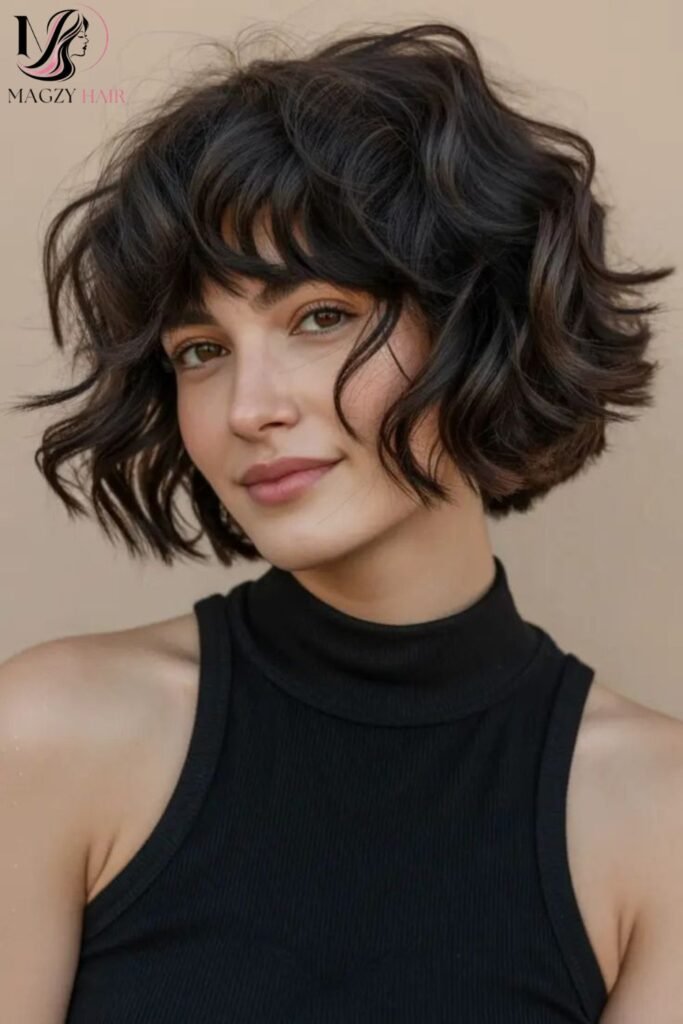
The textured choppy lob extends the choppy bob concept to a slightly longer, shoulder grazing length, making it one of the more versatile choppy bob hairstyles for those who want the texture and movement without cutting quite as short. This length tends to work particularly well for those transitioning from longer hair, since it retains more length while still introducing meaningful texture and shape.
Because this style covers more length than a traditional choppy bob, texturizing technique needs to be distributed thoughtfully throughout the cut rather than concentrated solely at the ends. Point cutting or razor work applied through both the mid lengths and ends creates a more cohesive, textured effect throughout the choppy lob, rather than leaving the upper portion of these choppy bob hairstyles looking comparatively flat or untouched.
A helpful example: someone transitioning from long hair to a choppy lob might initially feel hesitant about losing significant length, only to find that the added texture and movement from the choppy technique makes the shorter length feel fuller and more dynamic than their previous, longer but flatter style. This is a detail many people don’t anticipate before actually trying this particular choppy bob hairstyle.
This length also tends to be more forgiving for growing out than shorter choppy bob hairstyles, since the transition from a choppy lob back to longer hair involves less dramatic reshaping than growing out a shorter, more traditional choppy bob would require.
Asymmetrical Choppy Bob

The asymmetrical choppy bob combines uneven length, typically shorter in the back and longer toward the front, with textured, piece-y ends, creating one of the more dramatic and editorial leaning choppy bob hairstyles on this list. This combination of structural asymmetry and textural choppiness offers a bold, distinctive look for those wanting their haircut to make a genuine statement.
Achieving this style well requires careful planning around how the asymmetry and the choppy texture will interact once styled, since combining two distinct techniques, length asymmetry and edge texturizing, demands more precision than either element would require on its own. A stylist experienced specifically in both techniques together tends to produce noticeably better results than combining the two as an afterthought.
A mini scenario worth noting: someone requesting an asymmetrical choppy bob without clearly specifying how dramatic they want the length difference to be might end up with either too subtle an effect to notice or an overly dramatic result that feels harder to style day to day than anticipated. Bringing a clear reference photo and discussing the specific degree of asymmetry helps ensure the final choppy bob hairstyle matches your actual vision.
Because this style involves more structural complexity than most choppy bob hairstyles, maintenance trims are particularly important to preserve the intended asymmetry, since uneven growth patterns can shift the balance between the shorter and longer sections more noticeably than they would on a symmetrical cut.
Choppy Bob With Undercut
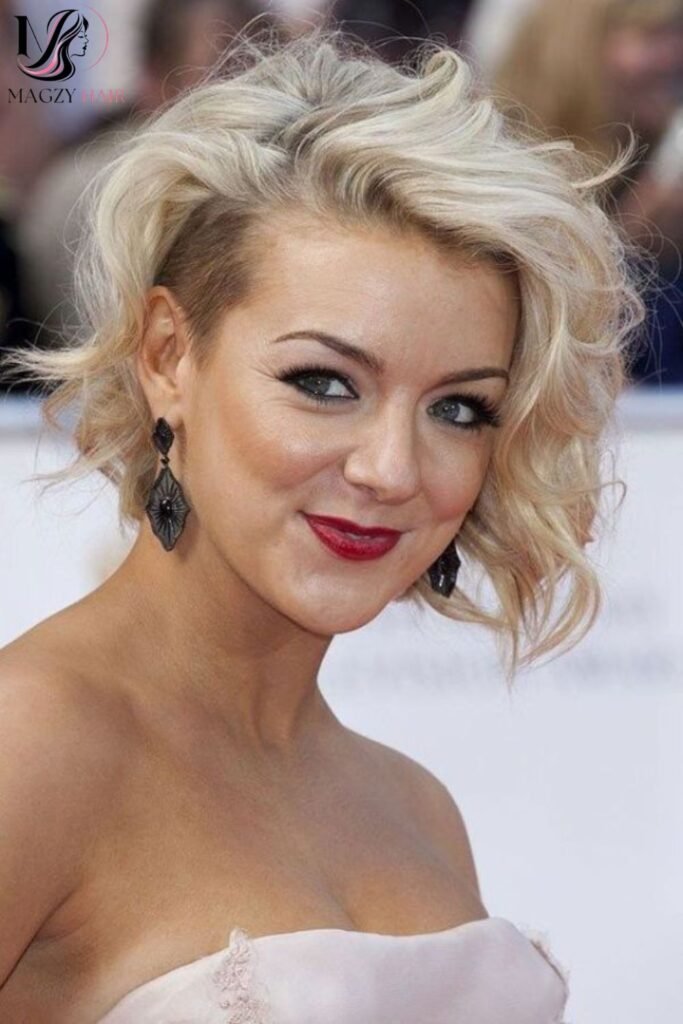
Among choppy bob hairstyles, pairing this cut with a subtle undercut adds unexpected dimension and an edgier element that only reveals itself when hair is worn up or tucked behind the ear. The undercut, typically placed at the nape, creates a hidden layer of texture and interest that complements the visible choppiness of the bob itself without overwhelming the overall look during everyday wear.
This combination works particularly well for those with thicker hair, since the undercut removes bulk at the nape, reducing overall weight and heat retention while still preserving the textured, choppy silhouette of the bob when hair is worn down. This makes it a practical option for anyone finding thick hair increasingly heavy to manage among fuller choppy bob hairstyles.
A helpful example: someone hesitant about a dramatic undercut but drawn to its edgier aesthetic might request a smaller, more subtle version placed low at the nape, keeping the bold element mostly hidden during everyday wear while still available as a styling option when hair is pulled back. This flexibility makes the style accessible even for more conservative professional settings while still incorporating a genuinely distinctive choppy bob hairstyle.
Maintenance for this style requires attention to two different growth rates, since the undercut section grows out and needs trimming more frequently than the surrounding choppy bob length, generally every 4–6 weeks to maintain the crisp, intentional contrast this particular choppy bob hairstyle depends on.
Wavy Choppy Bob
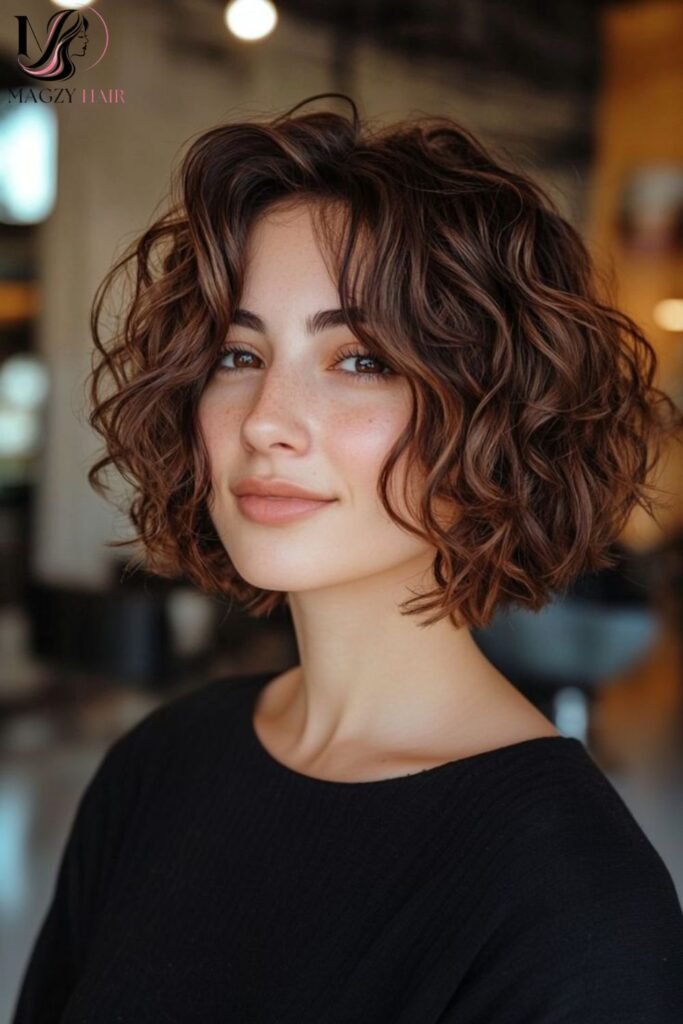
Among choppy bob hairstyles, this one interacts distinctly with natural wave pattern, since wavy texture already provides some built in movement that combines with the deliberate choppiness from cutting technique. This pairing often creates a fuller, more voluminous result than a choppy bob on straight hair, since wave pattern and textured ends work together to enhance overall dimension and body.
Cutting a choppy bob for wavy hair typically requires slightly less aggressive point cutting than the same style on straight hair, since the natural wave pattern already introduces texture on its own. Over texturizing wavy hair can sometimes result in a style that looks overly thin or frizzy rather than intentionally choppy, making a more measured approach generally more successful for this specific hair type.
A helpful example: someone with naturally wavy hair who requests the same intensity of point cutting typically used on straight hair might find their choppy bob looks thinner or more disheveled than intended, since the combination of natural texture and heavy texturizing can be more than the style actually needs. Communicating your natural wave pattern to your stylist helps calibrate the technique appropriately for wavy choppy bob hairstyles specifically.
Styling this particular choppy bob hairstyle typically involves scrunching in a lightweight curl cream and air drying or diffusing, similar to styling wavy hair at other lengths, though the built in texture from the choppy cutting technique often reduces the need for additional styling tools to achieve a dynamic, textured finish.
Curly Choppy Bob
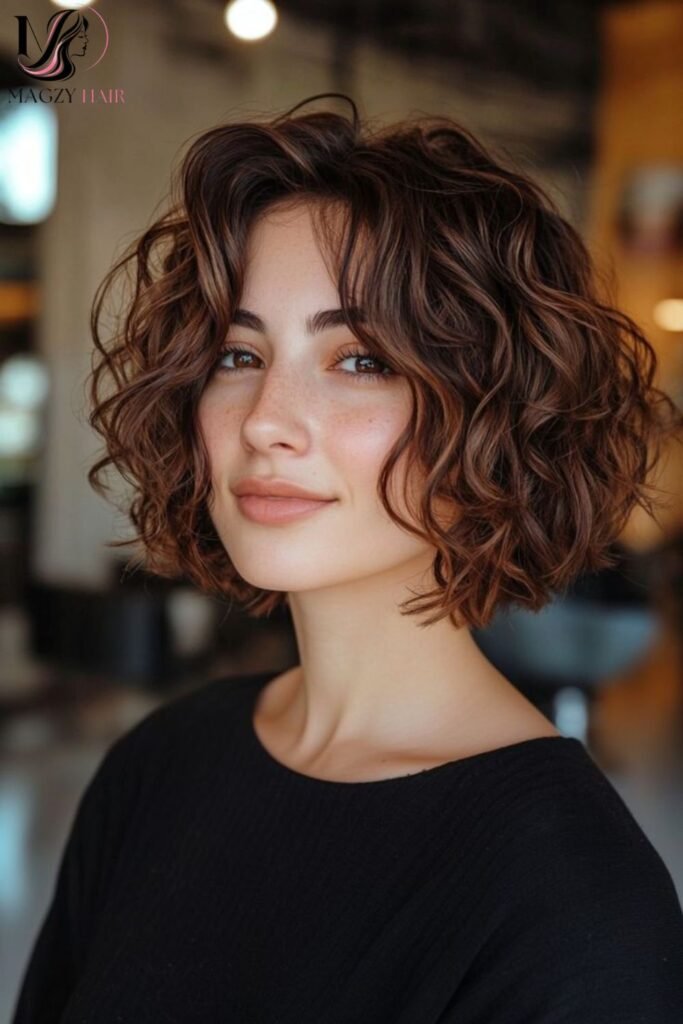
Curly choppy bob hairstyles, among the more specialized options on this list, require a distinct cutting approach, since curl pattern shrinks significantly once cut, sometimes by 30 to 50 percent depending on curl tightness, meaning wet cutting techniques often used for choppy texturizing can produce unpredictable results on curly hair specifically. Dry cutting, where a stylist trims and texturizes hair while it’s already in its natural curl pattern, tends to produce far more reliable, accurately shaped results for this hair type.
Point cutting on curly hair also behaves differently than on straight or wavy hair, since individual curls can hide or reveal texturizing cuts in ways that are difficult to predict while hair is stretched or wet. A stylist experienced specifically in cutting curly hair typically texturizes more conservatively at first, since it’s easier to remove additional texture later than to correct an over texturized curly choppy bob.
A helpful example: someone with tight, coily curls requesting a choppy bob styled after a straight hair reference photo needs the stylist to significantly adjust both length and texturizing technique to account for shrinkage and curl behavior, rather than applying the same approach used for straight hair. Seeking a stylist specifically trained in curly hair cutting helps avoid the disappointing, uneven results that can occur when this adjustment isn’t made.
Styling this choppy bob hairstyle typically involves minimal heat and maximum moisture, using curl defining creams applied to soaking wet hair, then air drying or diffusing to preserve the natural curl pattern the choppy cutting technique was designed to work with.
Choppy Bob With Balayage
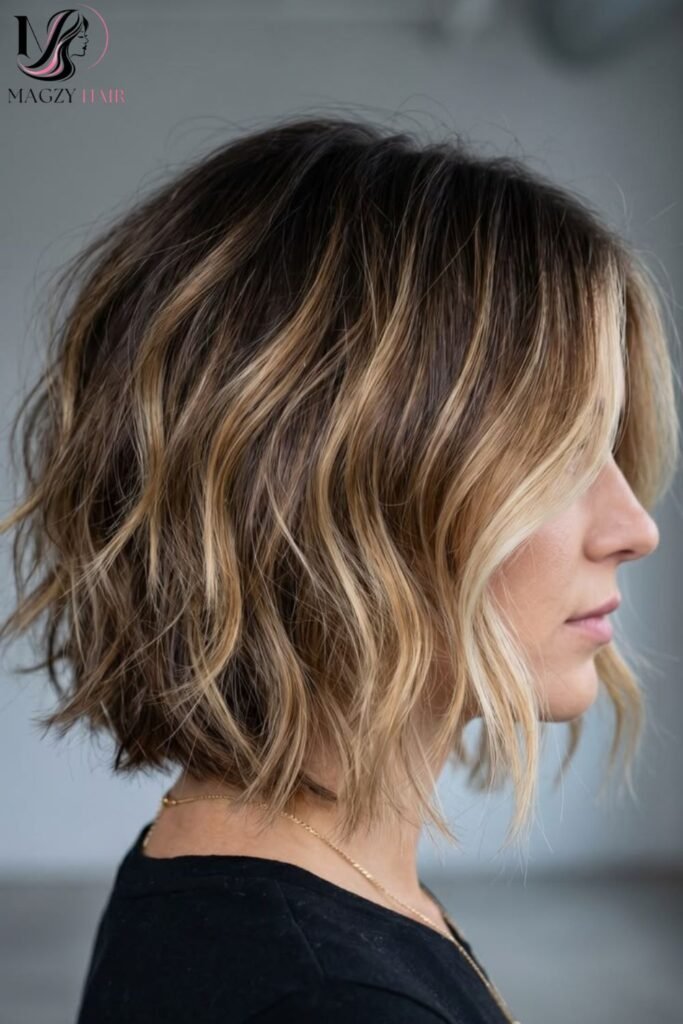
Adding balayage to this cut is one of the most popular ways to elevate choppy bob hairstyles, since it enhances the natural texture and movement created by the cutting technique itself, since the hand painted color placement highlights individual pieces in a way that complements, rather than competes with, the deliberately uneven ends. This combination creates a genuinely dimensional result that flat, single process color tends to lack on a choppy bob specifically.
Color placement matters considerably on a choppy bob because the texturizing technique creates uneven surface planes throughout the hair, meaning balayage applied without accounting for this texture can land unpredictably once the cut settles into its final shape. Colorists experienced with texturized choppy bob hairstyles typically adjust their placement technique specifically to account for the choppy ends, rather than applying balayage as they would to a smooth, blunt bob.
A practical example: someone who receives balayage on a choppy bob from a colorist unfamiliar with texturized cuts might find the color reads unevenly once fully styled, since the placement didn’t account for how the choppy ends would catch and display the lightened pieces. Discussing your specific cut with your colorist beforehand, rather than treating the color service as entirely separate from the choppy bob’s texture, produces a more cohesive final result.
Because texturized ends are often more porous from the cutting technique itself, these particular choppy bob hairstyles paired with balayage may require slightly more frequent gloss treatments to maintain even tone throughout the more textured, exposed sections of hair.
Choppy Bob for Thick Hair
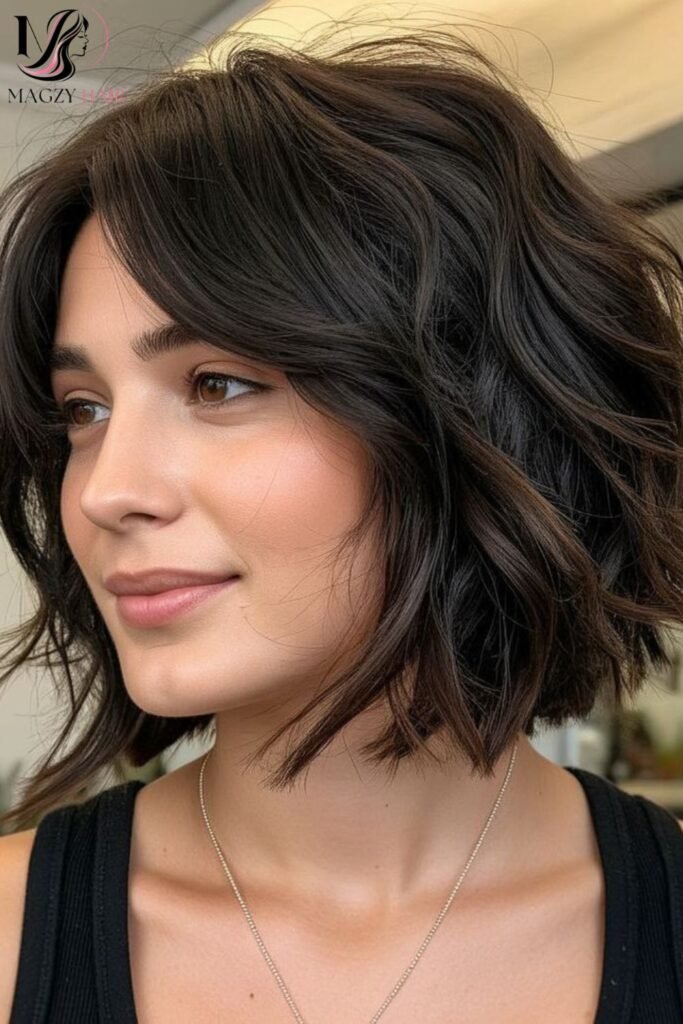
Among choppy bob hairstyles, thick hair generally supports this cut particularly well, since there’s ample volume to texturize significantly without the style looking sparse or thin. However, thick hair also requires more strategic point cutting or razor work to prevent the choppy bob from looking heavy or bulky rather than intentionally piece-y and dynamic.
Slide cutting and heavier point-cutting techniques prove particularly valuable for thick choppy bob hairstyles, since these methods remove weight gradually while creating texture, preventing the harsh, blocky sections that can occur when thick hair isn’t properly thinned alongside the texturizing process. This gradual approach allows these choppy bob hairstyles to keep their texture visible rather than being compressed under too much uncut internal weight.
A practical scenario: someone with very thick, coarse hair requesting a choppy bob without proper thinning alongside the texturizing often ends up with a heavy, wide shape that doesn’t move naturally, regardless of how much point cutting is applied to the ends alone. Clearly communicating hair density during a consultation helps ensure appropriate thinning techniques are applied alongside the choppy texturizing from the very first cut.
Styling these thick hair choppy bob hairstyles generally requires less volumizing product and more focus on definition and separation, using a lightweight pomade or texturizing paste worked through the ends to enhance the piece-y effect the cutting technique was designed to create.
Choppy Bob for Fine Hair
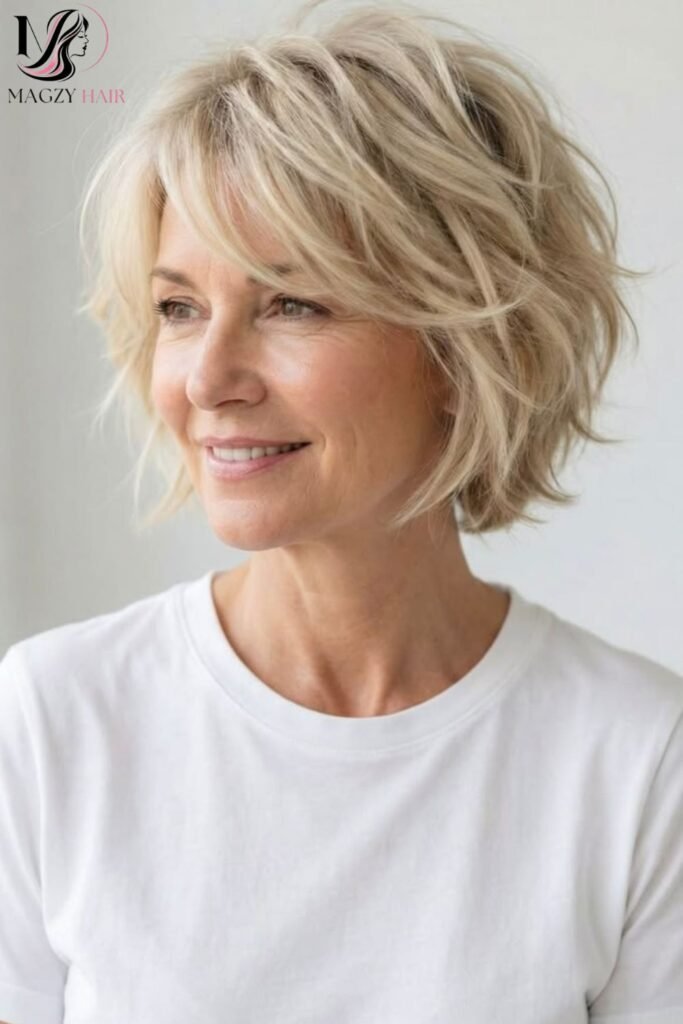
Among choppy bob hairstyles, fine hair benefits significantly from this cut, since the technique can create the appearance of more volume and texture than fine hair typically displays in a smooth, blunt cut. However, texturizing technique matters significantly here overly aggressive point cutting can sometimes create sparse, wispy ends that emphasize thinness rather than disguising it, contrary to the added texture people are usually hoping for.
A more conservative texturizing approach, focused primarily at the very ends rather than throughout larger sections, tends to create a fuller looking result for fine hair specifically. This technique preserves more overall density while still introducing enough movement and texture to prevent the style from looking flat or one dimensional throughout the day.
A helpful example: someone with fine hair who requests heavy, aggressive point cutting throughout their choppy bob might find the ends look thin and stringy rather than textured and full. Opting instead for lighter, more strategic texturizing concentrated at the very ends typically creates a fuller, more polished choppy bob hairstyle that better serves fine hair’s specific needs at this particular length.
Root lifting styling techniques also play an important role for fine hair styled into this type of choppy bob hairstyle. Blow drying with a round brush focused at the roots, paired with a lightweight volumizing mousse, helps maintain lift throughout the day, ensuring the cut looks full and intentional rather than flat by midday.
Choosing a Choppy Bob by Face Shape
Face shape plays a significant role in which choppy bob hairstyles look most flattering, a detail often overlooked in generic roundups of choppy bob hairstyles. Round faces tend to benefit from choppy bobs with longer front pieces and layers starting around the cheekbone, since this combination helps elongate the face rather than adding width at its widest point, something a very short, uniformly choppy bob can sometimes do.
Square faces generally look best with softer, more rounded texturizing rather than sharp, blunt lines paired with harsh choppiness, since gentle texture helps soften a strong, angular jawline rather than emphasizing it further. Heart-shaped faces often benefit from choppy bob hairstyles that add fullness around the jaw specifically, balancing a narrower jawline against a fuller forehead.
A helpful example: two people requesting the “same” choppy bob from a reference photo may need genuinely different length and texturizing placement to achieve an equally flattering result, simply because their face shapes differ significantly. This is why clearly communicating your face shape and specific priorities to your stylist leads to a far more personalized, satisfying outcome than a reference photo alone can provide.
Oval faces tend to have the most flexibility among choppy bob hairstyles, generally suiting nearly any length or texturizing intensity discussed in this guide. For other face shapes, taking a few extra minutes during consultation to discuss facial structure alongside the desired level of choppiness meaningfully improves the odds of a genuinely flattering choppy bob hairstyle.
Point Cutting vs. Razor Cutting: Choosing the Right Technique
The two primary techniques behind choppy bob hairstyles, point cutting with scissors and razor cutting, produce noticeably different textures across different choppy bob hairstyles, and understanding the distinction helps set more accurate expectations during a consultation. Point cutting removes small triangular sections from the ends using scissors held vertically, creating defined, distinct texture that tends to hold its shape well over time.
Razor cutting, by contrast, uses a razor blade to shave through sections of hair at an angle, creating a softer, more feathered texture throughout the choppy bob. This technique tends to work particularly well on straight or fine hair, since it can add the appearance of movement and body without requiring aggressive length removal, though it’s generally used more sparingly on coarser or curlier hair textures.
A helpful example: someone wanting sharp, defined choppy texture throughout their bob typically achieves better results with point cutting, while someone wanting a softer, more blended, feathered effect throughout their choppy bob hairstyle might prefer razor cutting instead. Discussing which finished look you’re picturing, rather than just requesting a “choppy bob” generically, helps your stylist choose the most appropriate technique for your specific goal.
Many stylists actually combine both techniques within a single choppy bob hairstyle, using point cutting for structural texture and razor work for softer blending in specific sections, producing a more nuanced, dimensional result than either technique would achieve entirely on its own.
Common Mistakes to Avoid With Choppy Bob Hairstyles
One of the most frequent mistakes with choppy bob hairstyles is choosing a stylist without specific experience in texturizing techniques, leading to uneven or accidentally damaged looking results rather than deliberate, polished choppiness. Reviewing a stylist’s portfolio specifically for texturized cuts, rather than assuming any experienced stylist can execute this style well, helps avoid this common and frustrating outcome.
Another common error among choppy bob hairstyles involves requesting the cut without clearly communicating the desired intensity of texture, leaving significant room for interpretation between a subtly textured bob and a dramatically piece-y one. Bringing reference photos and discussing specific texturizing intensity helps ensure the final choppy bob hairstyle matches your actual expectations rather than a stylist’s own interpretation of “choppy.”
Skipping regular trims is another frequently repeated mistake specific to choppy bob hairstyles, since these cuts rely on maintained texture to look intentional, and growing hair softens and blurs that texture more quickly than it would on a simple blunt cut. Regular trims, generally every 6–8 weeks, help maintain the defined choppiness this style depends on.
Finally, using heavy, smoothing products on a choppy bob often works against the style’s intended texture, flattening the piece-y definition the cutting technique was designed to create. Lightweight, texturizing products like sea salt sprays or texturizing pastes, rather than smoothing serums, better support the choppy bob’s natural, undone character.
The Future of Choppy Bob Hairstyles
Choppy bob hairstyles continue to evolve alongside broader advances in precision texturizing tools and techniques. As more stylists gain access to specialized texturizing shears and refined razor techniques, the historically common problem of choppy bobs looking accidentally uneven rather than deliberately textured is becoming less frequent, particularly among stylists who pursue continued education specifically in texturizing.
There’s also a noticeable shift toward more personalized, customized levels of choppiness rather than a one size fits all approach to choppy bob hairstyles. Stylists are increasingly discussing texture intensity as its own dedicated consultation topic, separate from simply choosing a bob length, reflecting growing recognition that choppy bob hairstyles genuinely require this level of individualized planning.
Product technology is advancing alongside this trend as well, with more brands developing texturizing specific products for choppy bob hairstyles, like defining pastes and lightweight sea salt sprays, formulated specifically to enhance the piece-y, choppy texture this cutting technique creates rather than relying on smoothing products originally designed for entirely different hair goals.
Looking ahead, digital tools like AI based style previews are beginning to help people visualize how different levels of choppiness might look on their specific hair type and face shape before committing to a cut. This kind of technology assisted planning could meaningfully reduce the uncertainty many people feel when first considering choppy bob hairstyles, particularly given how much the final result depends on precise technique rather than length alone.
Conclusion
Choppy bob hairstyles offer genuine versatility once you understand how cutting technique, hair type, and face shape work together. From the classic choppy bob to an edgier undercut version, there’s an option here suited to nearly every texture and personal style. The key is choosing a skilled stylist who understands texturizing technique specifically. Ready to try one of these choppy bob hairstyles Bring this guide to your next appointment and start the conversation with your stylist.
Ayesha Noor is the founder and lead writer behind Magzy Hair. With 4 years of experience researching hairstyles, hair care, and beauty trends, she enjoys helping readers discover styles that suit their unique personality and lifestyle.


